


When early signs of ageing start to appear, they often feel subtle but persistent. You may notice fine lines that do not disappear, changes in texture, or skin that looks less fresh despite good skincare. At this stage, many people wonder whether CO₂ laser resurfacing is too aggressive, or whether acting early could actually protect skin quality long term.
In this article, we explore whether CO₂ laser is a sensible option for early ageing, how treatment goals differ from advanced ageing, and who tends to benefit most at this stage.
We focus on skin biology rather than trends, so you can understand when laser is helpful and when it may be unnecessary. At London Medical & Aesthetic Clinic, our approach is always about choosing the right intervention at the right time.
What Counts as Early Signs of Ageing
Early signs of ageing often appear subtly and may go unnoticed at first. You might notice fine lines forming around the eyes or mouth, a dull or uneven complexion, and slight changes in texture. The skin can also feel less resilient when gently stretched, hinting at early structural changes beneath the surface.
At this stage, the skin’s deeper layers remain largely strong, and the overall framework is intact. However, beneath the surface, collagen production is already beginning to decline, even if visible sagging or deeper wrinkles have not yet appeared.
Recognising these early indicators is important because they signal the natural slowing of the skin’s regenerative processes. You and we can then consider interventions that support long-term skin health, rather than waiting until more noticeable ageing develops.
Why Early Ageing Is Often Overlooked
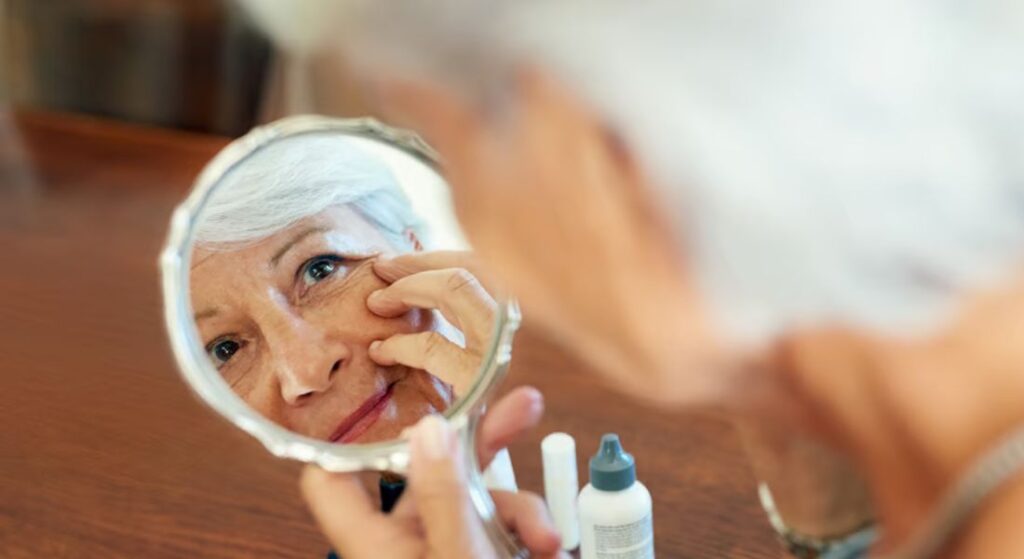
Early ageing is frequently underestimated or dismissed, both by patients and sometimes by those providing guidance. Many assume that changes such as fine lines or mild texture irregularities are temporary or purely cosmetic, and that routine skincare alone will fully reverse them.
This assumption can delay effective interventions that might maintain or enhance skin quality before deeper ageing sets in. Early ageing is not a sign of failure on your part; it is a natural, gradual biological shift that occurs over time.
Understanding and acknowledging these subtle changes allows you and we to make informed choices about preventative measures, treatments, and lifestyle adjustments. Acting early can help preserve skin quality and slow the progression of more significant signs of ageing.
The Role of Collagen Loss in Early Ageing
Collagen production reaches its peak in early adulthood, providing the skin with structure, elasticity, and resilience. From that point onward, it begins to decline gradually each year, contributing to the subtle signs of early ageing that many of us notice.
At this stage, the skin still responds well to stimulation, whether through topical treatments, gentle procedures, or non-invasive therapies. This responsiveness is key because it allows you and we to consider interventions that can enhance and maintain skin quality before more pronounced ageing sets in.
Understanding collagen loss helps set realistic expectations. While surface improvements can still be achieved, recognising that structural changes are beginning allows for more targeted and effective treatment planning.
How Early Ageing Differs From Advanced Ageing
Early ageing shows up in more subtle ways than advanced ageing. Changes are usually limited to skin texture, tone, and fine lines, while the deeper structural support of the face remains largely intact. Recognising this distinction helps us choose treatments that are appropriate rather than excessive.
We approach early ageing with a focus on preservation, not correction.
1. Changes Are Primarily Surface-Level – We see that early ageing mainly affects the outer layers of the skin. Texture may feel rougher, tone can look uneven, and fine lines start to appear. Deeper wrinkles and folds are usually not yet established.
2. Skin Structure Remains Largely Intact – In early ageing, collagen support and facial contours are still relatively strong. There is minimal sagging or volume loss. This separates early ageing clearly from more advanced structural ageing.
3. Treatment Focus Is Maintenance, Not Repair – We prioritise treatments that maintain skin quality and slow progression. Subtle interventions often deliver excellent results at this stage. Aggressive procedures designed for advanced ageing are usually unnecessary.
4. Over-Treatment Can Be Counterproductive – We recognise that not every early change needs an intensive procedure. Over-treating skin that is still structurally healthy can compromise natural appearance. A lighter approach preserves balance and authenticity.
5. Long-Term Strategy Matters More Than Speed – Early ageing benefits most from a long-term plan. Supporting collagen, barrier health, and consistency helps delay more visible ageing changes. This approach keeps outcomes natural and sustainable.
By understanding how early ageing differs from advanced ageing, expectations become clearer. We can focus on prevention and refinement rather than correction. Choosing proportionate care protects skin health and supports graceful ageing over time.
What CO₂ Laser Resurfacing Actually Does
CO₂ laser resurfacing works by creating controlled micro-injuries in the skin. These tiny injuries stimulate the body’s natural healing processes, leading to new collagen production and gradual skin renewal.
The treatment affects both the epidermal and dermal layers, allowing for improvements in texture, tone, and early fine lines. Depth and intensity can be adjusted to target the subtle changes associated with early ageing without excessive downtime.
By working at these levels, CO₂ laser can address signs of early ageing that topical products alone may no longer improve. When timed appropriately, you and we can use laser to support the skin’s structure and maintain a healthy, rejuvenated appearance.
Why CO₂ Laser Is Not Always the First Step
CO₂ laser is a powerful treatment, but power alone does not make it the right starting point. In early or very mild ageing, the skin often responds well to less invasive options. Understanding where laser fits in the treatment journey helps us choose proportionate, effective care.
We focus on timing and necessity rather than escalation by default.
1. Mild Ageing Often Responds to Simpler Treatments – For early texture changes, dullness, or fine lines, consistent skincare, professional facials, and gentle chemical peels can deliver meaningful improvement. At this stage, the skin still has strong regenerative capacity. Laser is not always required to see results.
2. CO₂ Laser Is a Deeper, More Invasive Intervention – CO₂ laser works at a depth that goes beyond surface treatments. While this is valuable when needed, it also comes with more downtime and recovery. Using it too early may expose the skin to unnecessary intensity.
3. Laser Works Best When Other Options Plateau – We usually consider CO₂ laser when topical treatments and surface-based procedures no longer produce sufficient improvement. This indicates deeper structural change where laser stimulation becomes appropriate. The treatment is most effective when used for the right indication.
4. Downtime and Risk Must Be Justified – Every procedure carries trade-offs. With CO₂ laser, downtime and healing are part of the process. We believe these should be justified by clear potential benefit, not used as a default option when gentler approaches may suffice.
5. Decision-Making Should Be Individualised – Skin condition, goals, lifestyle, and tolerance all matter. We assess whether the expected benefit of laser outweighs alternatives at that specific point in time. Personalised planning leads to better outcomes.
By positioning CO₂ laser correctly within the treatment pathway, results feel intentional rather than excessive. We prioritise the least invasive option that can still deliver meaningful improvement. This approach protects skin health while keeping future options open.
When CO₂ Laser Becomes Relevant in Early Ageing
CO₂ laser becomes a relevant consideration when routine skincare stops producing noticeable improvement. Fine lines, uneven texture, and early quality changes in the skin suggest that deeper structural support may benefit from stimulation.
When surface care alone can no longer maintain results, CO₂ laser can target both epidermal and dermal layers to encourage collagen production and improve resilience.
Recognising these early signs allows you and we to plan intervention strategically, using laser to maintain and enhance skin quality rather than simply addressing superficial concerns. It ensures that treatments remain effective, safe, and appropriate to the stage of ageing.
How Treatment Goals Differ at an Early Stage
In early ageing, our primary goal is prevention and preservation rather than aggressive correction. You and we focus on maintaining the skin’s natural strength, elasticity, and resilience, ensuring that subtle signs do not progress rapidly.
Results at this stage should appear natural and understated. Improvement is visible but not dramatic, preserving the authentic look of the skin rather than creating a “done” appearance.
This contrasts strongly with approaches for advanced ageing, where more noticeable correction and structural change may be necessary. Understanding these differences helps set realistic expectations and supports long-term skin health.
Why Lighter CO₂ Laser Settings Are Often Used
When ageing changes are still early, the goal is support and stimulation rather than aggressive correction. We do not need to fully resurface the skin to trigger improvement. Lighter or fractional CO₂ laser settings allow us to work with the skin’s existing regenerative capacity rather than overwhelming it.
This approach helps us deliver visible benefit while maintaining safety, comfort, and predictability.
1. Early Ageing Does Not Require Deep Injury – In early ageing, collagen structures are reduced but not lost. Light CO₂ laser settings are enough to stimulate fibroblasts and encourage renewal. Deeper resurfacing would add trauma without additional benefit.
2. Collagen Can Be Stimulated Without Excessive Trauma – Fractional, lower-energy settings create controlled micro-injuries that signal repair. Surrounding healthy skin supports rapid healing. This allows collagen stimulation while preserving barrier integrity.
3. Shorter and More Predictable Recovery – Lighter settings usually mean reduced redness, swelling, and downtime. Most patients can return to normal routines sooner. This makes treatment easier to integrate into everyday life.
4. Reduced Risk of Inflammation and Side Effects – Lower intensity decreases the risk of prolonged redness, pigmentation changes, or delayed healing. This is particularly important when treating early ageing rather than advanced damage. Safety improves without sacrificing effectiveness.
5. Treatment Can Be Adjusted Over Time – Starting with lighter settings keeps future options open. If ageing progresses, intensity can be increased later. We prefer gradual escalation rather than overtreatment at the first step.
By matching laser intensity to the stage of ageing, results feel balanced and controlled. We prioritise stimulation over shock, and regeneration over disruption. This strategy protects skin health while delivering meaningful, natural-looking improvement.
Skin Texture Changes That Respond Well Early
Early changes such as mild crepiness, fine surface lines, or slightly enlarged pores respond well to targeted CO₂ laser stimulation. You will often notice improvements in smoothness, brightness, and overall skin quality.
These enhancements improve the skin’s surface without altering underlying facial structure. The focus is on strengthening and revitalising existing tissue rather than repositioning or volumising. Recognising these early changes allows you and we to intervene strategically, preserving long-term skin quality and preventing more pronounced ageing before it becomes difficult to manage.
Why Early Intervention Can Protect Long-Term Skin Quality
Stimulating collagen production early can improve baseline skin health, making the skin more resilient to future ageing. Stronger, healthier skin tolerates natural decline better, maintaining a more youthful appearance over time.
While early intervention does not stop ageing entirely, it slows visible decline and reinforces the skin’s foundations. Think of it as fortifying the structure rather than attempting a full rebuild later.
By addressing these changes early, you and we maximise the benefits of treatment, ensuring the skin remains robust and adaptable for years to come.
Recovery Expectations in Younger or Early-Ageing Skin
Recovery after CO₂ laser tends to be smoother in younger or early-ageing skin because regenerative capacity is stronger. Healing responses are more efficient, and the skin barrier often restores itself more quickly. This makes laser treatment feel more manageable when ageing changes are still mild.
Even so, recovery is still a biological process that needs respect rather than rushing.
1. Faster Resolution of Redness and Swelling – In early-ageing skin, redness and mild swelling usually settle more quickly. Inflammation is controlled more efficiently, allowing visible recovery within a shorter timeframe. This supports earlier return to normal routines.
2. Shorter Functional Downtime – Most patients experience manageable downtime rather than prolonged disruption. Social recovery often progresses steadily as the skin calms and texture normalises. This makes treatment easier to plan around work and daily life.
3. Barrier Repair Remains a Priority – Despite faster healing, the skin barrier is still temporarily compromised. Gentle cleansing, appropriate moisturisation, and sun protection are essential. Skipping aftercare can slow recovery even in resilient skin.
4. Aftercare Influences Final Results – Early-ageing skin responds well when supported correctly. Consistent aftercare reduces irritation and supports collagen remodelling. Good recovery habits directly influence long-term outcome quality.
5. Individual Healing Still Varies – Age alone does not guarantee identical recovery. Genetics, lifestyle, and baseline skin health still play a role. We always factor this variability into planning and guidance.
By understanding recovery expectations clearly, treatment feels more predictable and less stressful. We balance effectiveness with comfort rather than assuming faster healing means fewer precautions. When recovery is respected, early CO₂ laser treatment fits naturally into long-term skin care strategy.
Risks of Using CO₂ Laser Too Aggressively Early
When CO₂ laser is used too aggressively on early-ageing skin, there is a real risk of provoking unnecessary inflammation. You may experience prolonged redness, swelling, or temporary pigment changes that outweigh any marginal benefits. Over-treatment at this stage often increases discomfort and extends recovery time, which can be avoided with careful planning.
You and we focus on gentle, controlled stimulation rather than maximum intensity. Expert assessment allows us to determine the appropriate depth, coverage, and settings for your skin, ensuring that improvement is meaningful without creating avoidable risk. More aggressive treatment does not always produce better results at this stage.
By respecting the skin’s current condition and stage of ageing, CO₂ laser treatments remain safe and effective. You can achieve gradual, noticeable improvement while protecting long-term skin health, maintaining the balance between efficacy and safety.
How CO₂ Laser Compares to Other Early-Ageing Treatments
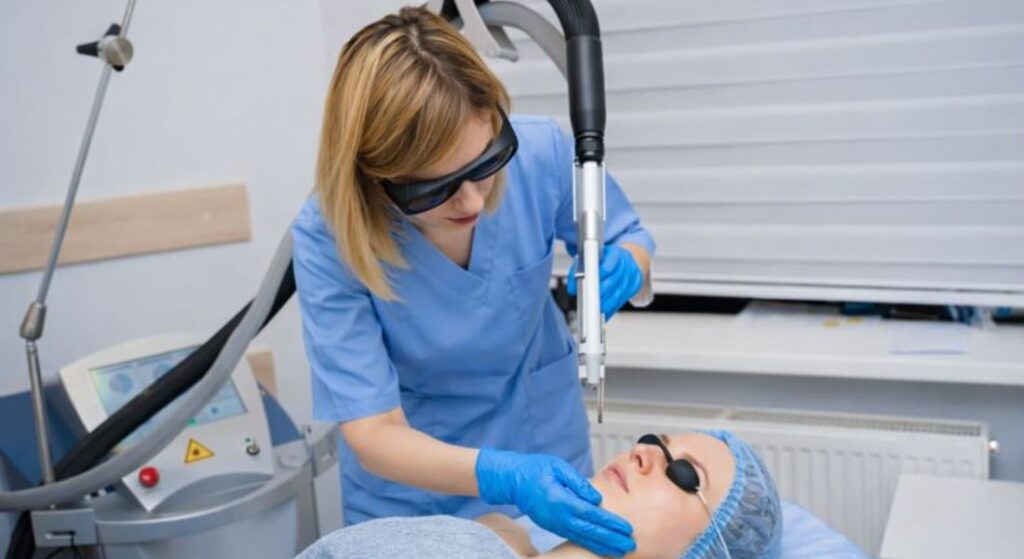
At an early stage, several treatments can support skin health, but each works differently. Microneedling, for example, stimulates collagen superficially and helps improve texture modestly. Chemical peels primarily enhance surface smoothness and radiance but do not reach the dermis significantly. Radiofrequency treatments focus on tightening without resurfacing the skin, offering lift but limited texture improvement.
CO₂ laser is unique because it targets both surface texture and dermal density in a single treatment. This combination allows for deeper rejuvenation than other non-invasive or superficial procedures. It can be more powerful, but its strength means it is not always necessary at this stage.
Choosing the right approach requires balance. You and we consider the skin’s current condition, the patient’s goals, and recovery expectations to decide if CO₂ laser offers the best benefit compared with lighter or complementary treatments.
Who Is a Good Candidate at an Early Stage
Early-stage candidates are usually those showing visible changes in texture, such as fine lines, mild crepiness, or uneven surface tone. Patients with realistic expectations about outcomes tend to benefit the most, understanding that CO₂ laser enhances quality rather than creating dramatic transformation.
Good overall skin health is important, as the skin’s baseline condition affects both healing and final results. Those with controlled pigmentation, no active inflammation, and strong barrier function respond better.
A thorough consultation is essential. You and we review history, lifestyle, and skin behaviour to ensure that CO₂ laser is appropriate. Not every patient with early ageing signs requires laser, and sometimes observation or lighter treatments suffice.
Why Lifestyle Still Matters After Laser
CO₂ laser can significantly improve skin quality, but it cannot override poor daily habits. Sun exposure, smoking, dehydration, and neglect of aftercare can undermine results and shorten their longevity.
Post-treatment skincare, including hydration, gentle cleansing, and diligent sun protection, supports collagen development and recovery. You and we work together to maintain results, maximising the laser’s benefits.
Ultimately, laser enhances the skin’s potential, but lifestyle determines how long improvement lasts. Combining treatment with healthy daily routines ensures that early intervention produces sustainable, long-term benefits.
Combining CO₂ Laser With Skincare Strategically
After CO₂ laser treatment, your usual skincare routine gains new effectiveness. With the skin freshly resurfaced, active ingredients penetrate more deeply, maximising hydration, exfoliation, and targeted repair. You and we can optimise post-laser care to maintain and extend improvements.
Maintenance skincare also supports long-term collagen health. By continuing barrier repair, antioxidant protection, and gentle stimulation, you help preserve the structural benefits induced by the laser. The combination of treatment and routine creates synergy, producing results that are more noticeable and longer-lasting than either approach alone.
In practice, treatment and routine should never be viewed as separate. You and we design a plan where laser provides the structural reset, and ongoing skincare maintains and enhances this foundation. Together, they ensure the skin not only looks better but ages more gracefully over time.
How Often Early-Ageing Laser Is Repeated
For patients in the early stages of ageing, CO₂ laser treatments are usually spaced out over long intervals. Unlike aggressive resurfacing for advanced concerns, early-ageing treatments require infrequent sessions because the skin still responds well and maintains improvements for extended periods.
Maintenance timing depends on skin behaviour, including collagen turnover, sun exposure, and general health. You and we monitor progress and decide if additional sessions are needed, ensuring that overtreatment is avoided and the skin is not stressed unnecessarily.
Repeated aggressive laser treatment at this stage is rarely required. Less intervention often provides sufficient benefit, allowing the skin to recover fully between sessions while preserving natural texture, resilience, and long-term quality.
Why Some Patients Feel Laser Is “Too Much”
It is very common for patients to feel that CO₂ laser treatment is “too much,” particularly when considering potential downtime, redness, or the intensity of the procedure. You and we often discuss these concerns during consultation to provide context and reassurance. Understanding exactly what the laser does, the depth of resurfacing, and how settings are customised helps reduce anxiety and uncertainty.
Education is key. When you know that laser is fully adaptable meaning depth, coverage, and intensity can be tailored to your skin’s needs you gain confidence in the process. You and we can adjust the plan so the treatment feels manageable, safe, and appropriate rather than overwhelming.
It is important to remember that CO₂ laser is not a one-size-fits-all treatment. Each patient receives a personalised approach. Feeling apprehensive is normal, and discussing these concerns openly allows us to create a pathway that balances effectiveness with comfort.
Deciding Whether CO₂ Laser Is Worth It for You
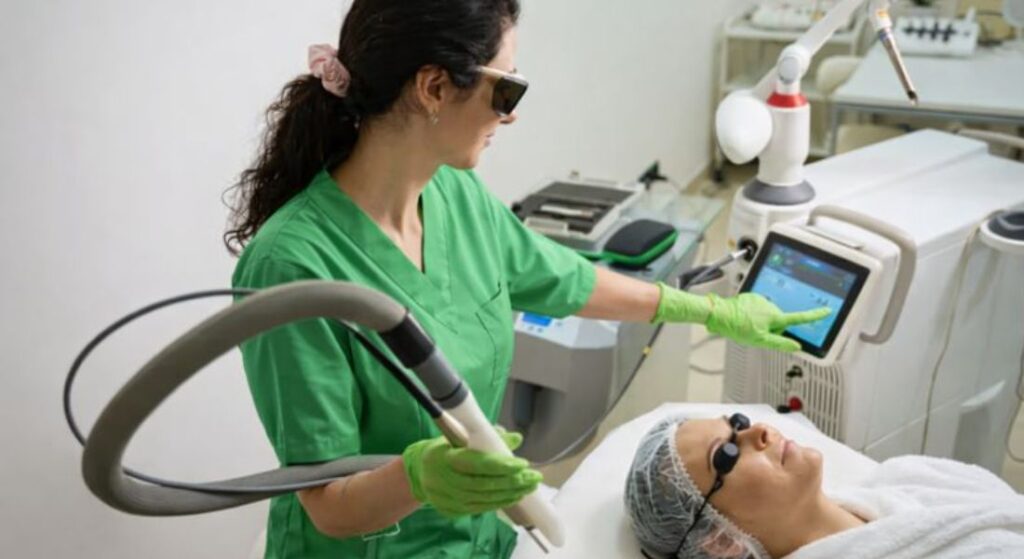
Deciding whether CO₂ laser is right for you starts with evaluating your persistent skin concerns. If your skincare routine maintains current results but no longer produces improvement, the laser may provide the next step in regenerating texture, firmness, and radiance. You and we assess whether changes are substantial enough to justify treatment.
If skin changes are still minimal, patience and continued maintenance may be the wiser choice. Timing matters more than chronological age, as early intervention is about the stage of skin change rather than years lived. You and we consider your goals, lifestyle, and skin behaviour when making this decision.
An honest consultation is essential. You leave with a clear understanding of what laser can realistically achieve and whether it aligns with your expectations. This informed approach ensures that treatment, if chosen, is both appropriate and rewarding.
FAQs:
1. Is CO₂ laser too aggressive for early signs of ageing?
CO₂ laser is not automatically too aggressive for early ageing, but its suitability depends on how it is used. When delivered with lighter, carefully controlled settings, it can stimulate collagen without overwhelming the skin. The key factor is proportionality, meaning the treatment depth and intensity must match the subtlety of the ageing changes rather than targeting the skin as if ageing were advanced.
2. What kind of early ageing changes respond best to CO₂ laser?
Early ageing changes such as fine lines that persist, mild texture irregularity, early crepiness, and loss of skin freshness tend to respond well to CO₂ laser. These concerns reflect early collagen decline rather than deep structural damage. Laser stimulation at this stage supports regeneration and strengthens existing skin architecture rather than attempting correction of more severe ageing.
3. How does CO₂ laser work differently in early ageing compared to advanced ageing?
In early ageing, CO₂ laser is used to preserve and support skin quality rather than repair significant damage. The goal is stimulation and maintenance, not dramatic correction. In advanced ageing, laser settings are often deeper and more corrective, whereas early ageing treatments focus on subtle collagen activation and long-term skin resilience.
4. Can CO₂ laser slow down visible ageing if done early?
CO₂ laser cannot stop ageing, but early intervention can slow the visible progression of ageing changes. By stimulating collagen while the skin still has strong regenerative capacity, laser treatment can improve baseline skin strength. This makes the skin more resilient to future decline and helps maintain a healthier appearance for longer.
5. Why isn’t CO₂ laser always the first treatment recommended for early ageing?
CO₂ laser is not always the first choice because early ageing skin often responds well to less invasive treatments. Skincare, professional facials, and gentle procedures may still produce visible improvement at this stage. Laser becomes more relevant when these approaches plateau and deeper stimulation is needed to maintain progress.
6. What makes lighter CO₂ laser settings more suitable for early ageing?
Lighter CO₂ laser settings are appropriate because early ageing does not require deep injury to trigger improvement. Collagen structures are reduced but not depleted, so gentle stimulation is sufficient. This approach reduces downtime and risk while still encouraging regeneration, making treatment safer and more predictable.
7. How noticeable should results be after early-ageing CO₂ laser treatment?
Results from CO₂ laser in early ageing are intentionally subtle. The skin often looks smoother, brighter, and more resilient rather than dramatically different. Improvements tend to feel natural and understated, reflecting healthier skin behaviour rather than visible transformation.
8. Is downtime shorter when CO₂ laser is used for early ageing?
Downtime is usually shorter and more manageable in early-ageing skin because healing capacity is stronger. Redness and swelling tend to resolve more quickly, especially when lighter laser settings are used. However, recovery still requires care and patience, as biological healing cannot be rushed.
9. Can using CO₂ laser too early cause harm?
Using CO₂ laser too aggressively at an early stage can provoke unnecessary inflammation and prolong recovery. Over-treatment may increase risks such as pigmentation changes or delayed healing without providing added benefit. This is why expert assessment and conservative treatment planning are essential in early ageing.
10. How do you decide if CO₂ laser is worth it for early signs of ageing?
CO₂ laser becomes worth considering when skincare and surface treatments no longer produce improvement and early texture or quality changes persist. The decision depends on skin behaviour, goals, lifestyle, and tolerance for downtime rather than age alone. A thorough consultation ensures expectations are realistic and the treatment aligns with genuine skin needs.
Final Thoughts: Is CO₂ Laser Worth Considering Early?
CO₂ laser can be a valuable option for early signs of ageing when it is used thoughtfully and at the right stage. In younger or early-ageing skin, the goal is not dramatic correction but preservation, strengthening, and long-term skin quality. When subtle texture changes, fine lines, or loss of resilience persist despite good skincare, a carefully planned C02 laser treatment can help stimulate collagen and support healthier skin ageing without overtreatment.
The key is timing, proportion, and realistic expectations. Not everyone with early ageing needs laser, but for the right patient, used conservatively, it can be a strategic investment in future skin health. If you’re looking for C02 laser treatment in London, you can get in touch with us at the London Medical & Aesthetic Clinic.
References:
1. Belletti, S., Madeddu, F., Brando, A., Provenzano, E., Nisticò, S.P., Fusco, I. & Bennardo, L., 2023. Laser impacts on skin rejuvenation: The use of a synergistic emission of CO₂ and 1540 nm wavelengths. Medicina, 59(10), p.1857. https://www.mdpi.com/1648-9144/59/10/1857
2. Osman, M.A., 2024. Fractional ablative carbon dioxide laser versus fractional non‑ablative diode laser in facial scar management. Cosmetics, 11(3), p.81 https://www.mdpi.com/2079-9284/11/3/81
3. Pulsed carbon dioxide laser resurfacing of photo‑aged facial skin. Archives of Dermatology, 1996; CO₂ laser improves photodamage and wrinkle scores with predictable clinical outcomes. https://pubmed.ncbi.nlm.nih.gov/8629842/
4. Long‑term results after CO₂ laser skin resurfacing: a comparison of scanned and pulsed systems. Dermatologic Surgery, 1997. https://pubmed.ncbi.nlm.nih.gov/9366815/
5. Guo, H., Zhang, X., Li, H. et al., 2023. Dynamic panoramic presentation of skin function after fractional CO₂ laser treatment. iScience, article 107559. https://www.sciencedirect.com/science/article/pii/S258900422301636X