

Most of us start our skin journey with good intentions. We invest in skincare, follow professional advice, and commit to regular facials, expecting gradual improvement over time. But there often comes a point where, despite consistency, results plateau and skin simply stops responding.
In this article, we explore what it really means when skincare and facials no longer deliver visible change, why that happens biologically, and whether CO₂ laser resurfacing becomes a logical next step. We explain the progression from surface-level care to deeper regenerative treatments in a clear, patient-friendly way. At London Medical & Aesthetic Clinic, we believe understanding why treatments stop working is just as important as knowing what comes next.
Why Skincare Eventually Reaches Its Limit
Skincare products mainly work on the epidermis, the outermost layer of the skin. Through regular use, you and we can improve hydration, support the skin barrier, and encourage gentle surface renewal. These changes often make skin feel smoother and look brighter. For many concerns, this level of care is genuinely helpful and worthwhile.
However, skincare has clear biological limits. Topical products cannot reach deeply enough to rebuild structures within the dermis. Collagen, elastin, and underlying support networks gradually decline with age. When these deeper components change, surface products alone cannot fully compensate.
As skin ages, these deeper changes increasingly shape overall appearance. Sagging, volume loss, and textural changes originate below the surface. This is why results from skincare alone may plateau over time. Understanding this helps set realistic expectations about what surface care can and cannot achieve.
What Facials Can and Cannot Do Long Term
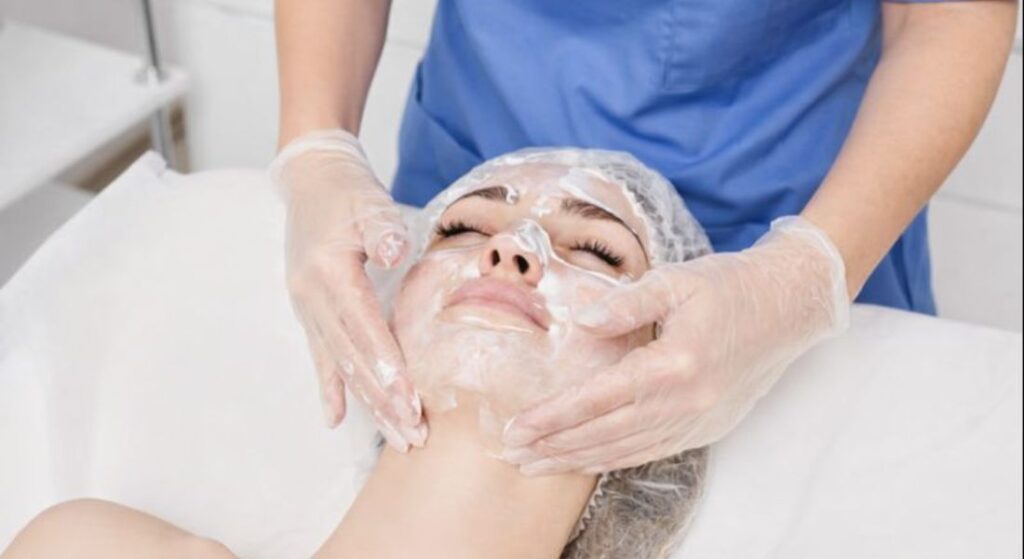
Professional facials are designed to support the skin at a surface level. When you have regular facials, we can improve circulation, remove dead skin cells, and enhance short-term hydration. This often leaves the skin looking fresher, smoother, and more radiant immediately after treatment. These benefits are real and valuable for maintenance.
However, the effects of facials are inherently temporary. While you and we may notice a glow or smoother texture, this usually fades within days or weeks. Facials do not reach deep enough to trigger meaningful collagen or elastin production. Their role is supportive rather than corrective.
Long term, facials help maintain skin quality rather than transform it. They keep the epidermis functioning well and support comfort and appearance. Understanding their limits prevents disappointment and helps you see facials as part of upkeep, not structural change.
The Biological Shift That Causes a Plateau
As skin ages, a fundamental biological shift occurs beneath the surface. Collagen production gradually slows, even when you follow an excellent skincare routine. Fibroblasts, the cells responsible for producing collagen, become less active and less responsive to stimulation. This change happens regardless of how consistent your surface care is.
When this slowdown occurs, the skin’s natural renewal capacity is reduced. You may notice that products which once delivered visible improvements now seem to do very little. We often hear patients say their skin feels “stuck,” despite doing everything right. This plateau can feel frustrating and confusing.
Importantly, this is not a routine issue. It is a structural and biological change within the dermis. No amount of product layering can fully overcome this shift. Recognising this helps you and us understand why progress may stall over time.
Why Skin Texture Often Changes First
Texture changes are often the earliest visible sign of deeper ageing. You may notice that skin starts to look thinner, duller, or less even before major lines or sagging appear. Fine lines can seem more noticeable, even if overall care has not changed. These early signs are subtle but meaningful.
These changes reflect thinning and weakening within the dermal layer. As collagen density reduces, the skin loses its underlying support. Light reflects differently, which alters smoothness and clarity. This is why texture often shifts before more obvious ageing concerns develop.
Topical treatments work mainly on the surface and cannot rebuild this deeper layer. While you and we can improve hydration and smoothness temporarily, texture linked to dermal thinning requires a different approach. Recognising this early helps guide realistic next steps.
Understanding the Difference Between Surface and Structural Ageing
Surface ageing affects the epidermis. It shows up as dryness, slower cell turnover, and reduced glow. These changes often respond well to skincare, facials, and consistent routines. You and we can manage these concerns effectively with topical care.
Structural ageing occurs deeper in the dermis. It involves loss of collagen, elastin, and overall skin density. This type of ageing has a far greater impact on firmness, texture, and long-term appearance. It is also far less responsive to surface-only treatments.
CO₂ laser treatment specifically targets structural ageing. By stimulating controlled dermal repair, it addresses changes that skincare cannot reach. This is why it is typically considered later in the skin journey, once surface care reaches its limit.
When “Good Skincare” Is No Longer Enough
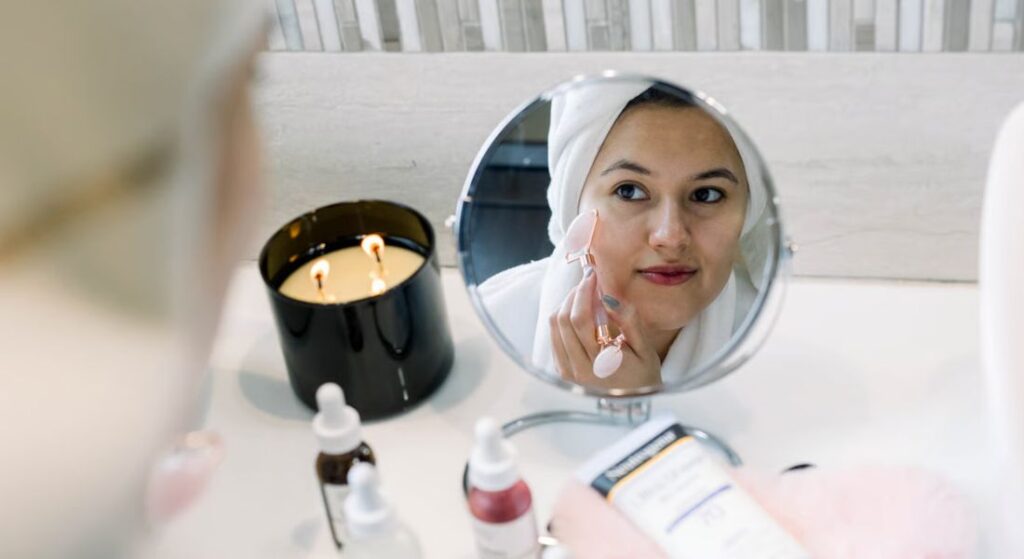
There comes a point when even excellent skincare stops delivering visible change. If your skin looks largely the same despite consistency, this is an important signal. Similarly, if facials feel pleasant but results fade quickly, it suggests maintenance rather than progress. These patterns are common and expected.
At this stage, frustration often sets in. You may wonder whether products are failing or whether you are doing something wrong. In reality, your routine may be perfectly appropriate. The limitation lies in what surface care can biologically achieve.
This moment does not represent failure. It reflects normal skin ageing and deeper structural change. Recognising this allows you and we to have more informed conversations about next steps, rather than endlessly adjusting products that have reached their natural limit.
What CO₂ Laser Resurfacing Actually Addresses
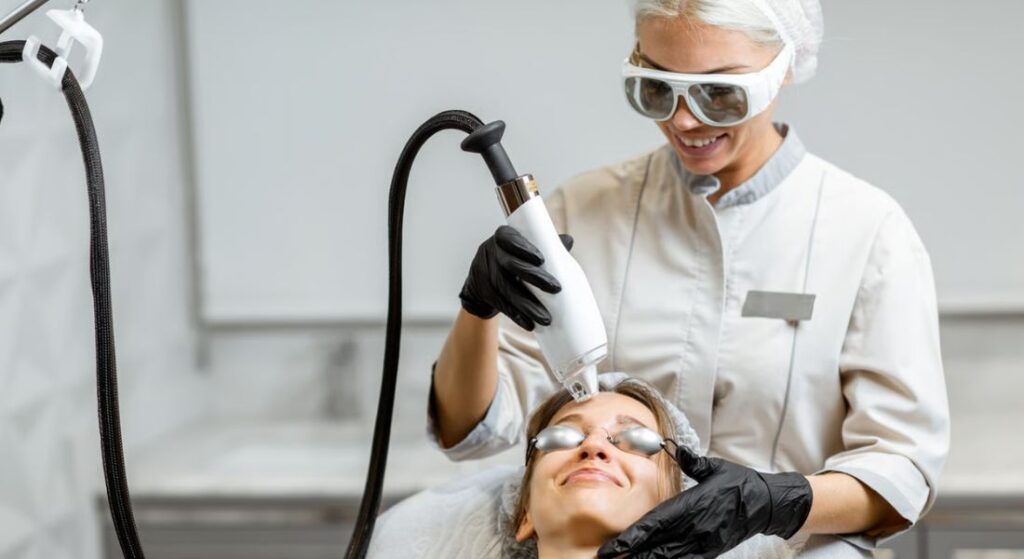
CO₂ laser resurfacing works beyond the surface layers of the skin. Unlike skincare that focuses mainly on the epidermis, this treatment reaches both the epidermis and the dermis. When you undergo CO₂ laser treatment, we deliberately create controlled micro-injuries within the skin. These are not random or damaging, but carefully planned.
These micro-injuries trigger the skin’s natural healing response. As healing begins, your body produces new collagen and remodels existing tissue. This process strengthens the dermal structure and improves thickness, resilience, and texture over time. We are not masking ageing changes, but encouraging true repair.
This is what makes CO₂ laser fundamentally different from routine treatments. It actively changes skin architecture rather than simply improving appearance at the surface. That distinction is critical when you and we are addressing deeper, structural ageing concerns.
Why CO₂ Laser Is Considered an “Advanced” Treatment
CO₂ laser is considered advanced because of how deeply and precisely it works. It penetrates far beyond what facials, peels, or topical treatments can reach. When you choose this option, we are directly stimulating fibroblasts within the dermis. This level of intervention requires expertise and careful planning.
Because it activates powerful regenerative processes, results can be significant. However, this also means outcomes depend heavily on technique, settings, and patient selection. We tailor treatment depth and intensity to your skin’s condition, tolerance, and goals. This is not a one-size-fits-all approach.
For this reason, CO₂ laser is not a maintenance treatment. It is designed for regeneration rather than routine upkeep. You and we consider it when surface-level options have reached their limit and deeper change is needed.
How CO₂ Laser Differs From Chemical Peels
Chemical peels work by removing layers of skin through controlled chemical exfoliation. They primarily affect the surface and rely on shedding damaged cells to improve appearance. While peels can refresh and brighten the skin, their depth is limited and largely predictable. Their impact is mainly epidermal.
CO₂ laser works in a very different way. Instead of dissolving layers, it delivers targeted energy into the skin to stimulate repair from within. We can control the depth and pattern of treatment with precision. This allows us to address more advanced texture changes and dermal thinning.
Because of this precision, CO₂ laser is more effective for structural ageing. It does not just remove what is damaged; it encourages the skin to rebuild. This makes it a more powerful option when you and we are treating deeper, long-standing skin changes.
What Skin Changes Respond Best to CO₂ Laser
CO₂ laser is particularly effective for improving skin quality rather than changing facial structure. When you have crepey texture, fine crinkling, or a generally fragile skin appearance, dermal stimulation makes a noticeable difference. We often see improvements in how the skin feels as well as how it looks.
Fine lines and surface irregularities also respond well over time. As new collagen forms, the skin becomes smoother and more even. You may notice that makeup sits better and the skin reflects light more evenly, which contributes to a healthier appearance.
What CO₂ laser does not do is dramatically lift sagging skin. Its strength lies in improving density, resilience, and texture. When you and we approach it with the right expectations, it is a powerful tool for quality improvement.
Why Results Are Not Instant
Immediately after CO₂ laser treatment, the skin often looks smoother. This early change is mainly due to swelling, which temporarily tightens the surface. While this can be encouraging, it is not the true result of the treatment.
Real improvement happens beneath the surface. After treatment, your body begins producing new collagen fibres and reorganising existing tissue. This process takes time and follows a biological timeline that cannot be rushed.
Collagen synthesis unfolds over several months. You and we need patience, as changes appear gradually and steadily. Understanding this prevents disappointment and helps you appreciate the long-term nature of the results.
The Role of Downtime in Deeper Skin Change
Meaningful skin remodelling takes time and cannot be rushed. When treatments reach deeper skin layers, recovery becomes a necessary part of biological repair rather than an unwanted side effect. Downtime allows inflammation to settle and collagen to form in a stable, organised way.
Downtime matters for deeper skin change because:
1. Healing enables collagen formation – Recovery time allows fibroblast activity and collagen remodelling to occur properly.
2. Deeper treatments deliver stronger results – More visible, long-lasting improvement is usually linked to treatments that work below the surface.
3. Short recovery often means superficial change – Minimal downtime typically limits the depth and durability of results.
4. Balance is individual – We match treatment depth and recovery time to your goals, lifestyle, and tolerance.
5. Planned downtime improves safety – Structured recovery reduces risk and supports predictable outcomes.
At London Medical & Aesthetic Clinic, downtime is planned intentionally, not accepted accidentally. When you understand why recovery is part of the process, it feels purposeful and manageable. This approach supports safer care, stronger results, and confidence throughout treatment.
Why Some Patients Delay Laser Too Long
Many patients delay laser treatment because they hope skincare will eventually start working again. When changes are subtle, this approach makes sense. However, once ageing shifts deeper into the dermis, surface treatments reach their limit.
Waiting until changes are severe can restrict how much improvement is achievable. Skin that is significantly thinned or damaged has less regenerative capacity. We often see that earlier intervention leads to more natural and noticeable results.
This delay is not a mistake, but timing does matter. When you and we intervene at the right stage, outcomes are usually more predictable and satisfying. Laser works best when the skin still has repair potential.
How Age Influences Treatment Decisions
Age influences treatment planning, but not in a simplistic way. Younger patients often require lighter resurfacing because their collagen response is stronger. The goal is stimulation rather than correction.
Older patients may need deeper or more targeted stimulation to achieve meaningful change. However, chronological age alone does not determine suitability. We focus more on how your skin behaves, heals, and responds to stress.
Assessment is based on skin condition, not just years lived. When you and we personalise treatment this way, results are safer and more appropriate. Individual biology matters far more than the number on your birthday cake.
Why CO₂ Laser Is Not a Replacement for Skincare
CO₂ laser treatment is designed to remodel deeper skin structure, not to replace everyday care. After laser, the skin often behaves differently because collagen and dermal density have changed. This makes ongoing skincare more important than before, not less.
CO₂ laser is not a substitute for skincare because:
1. Laser changes the foundation, not daily needs – Deeper remodelling alters how the skin functions, but routine care still supports surface health.
2. New collagen requires protection – Freshly formed collagen and improved dermal structure need consistent care to remain stable over time.
3. Without skincare, gains can fade – Environmental stress, dryness, and inflammation can undermine results if daily care is neglected.
4. Skincare supports healing and resilience – Appropriate products help maintain barrier strength and optimise recovery after laser.
5. Both work as a system – Laser initiates structural change, while skincare preserves and enhances those improvements.
When we view laser and skincare as complementary rather than competing, results become more durable and predictable. Laser creates opportunity, and skincare protects that investment. Together, they support healthier, longer-lasting skin outcomes.
Combining Laser With Ongoing Skin Care
After CO₂ laser, our immediate focus is barrier repair and calm recovery. Gentle cleansing, moisturisation, and sun protection are essential during this phase. This allows the skin to heal without unnecessary stress.
As healing progresses, we gradually reintroduce active ingredients. These are chosen carefully to support collagen, even tone, and long-term resilience. Timing matters, as introducing actives too early can compromise results.
When you and we combine structural treatment with consistent skincare, outcomes are stronger and longer lasting. Structure comes first, maintenance follows. This layered approach produces the best long-term benefit.
How Expectations Should Change With Laser Treatments
CO₂ laser treatments work differently from quick cosmetic fixes, and expectations need to reflect that difference. The goal is not perfection, but healthier, stronger skin that behaves better over time. When we frame outcomes realistically, satisfaction tends to be much higher.
We approach laser as a regenerative process rather than an instant transformation. Understanding how and when change occurs helps align expectations with biology.
1. Perfection Is Not the Aim – We clarify that CO₂ laser does not create flawless skin. The objective is improvement in texture, tone, and resilience. Natural-looking change matters more than artificial smoothness.
2. Results Develop Gradually – We expect changes to unfold over time. Collagen formation and maturation occur over months, not days. Early improvement is only part of the journey.
3. Subtle Change Is a Positive Sign – We see understated improvement as a strength, not a limitation. Skin often looks healthier and more rested rather than obviously “treated.” This reflects genuine tissue renewal.
4. Skin Behaviour Improves Alongside Appearance – We focus not only on how the skin looks, but how it functions. Improved strength, tolerance, and texture often matter more than surface smoothness alone.
5. Education Reduces Disappointment – We find that clear explanation prevents unrealistic expectations. When outcomes are understood in advance, the experience feels more controlled and reassuring.
When expectations align with how laser treatments actually work, confidence increases. CO₂ laser becomes an informed investment rather than a gamble. Realistic understanding supports better experiences, steadier satisfaction, and outcomes that feel authentic over time.
Who Is a Good Candidate After Skincare Stops Working
When skincare no longer delivers visible improvement, it often signals that changes are happening deeper within the skin. At this stage, surface products alone may not be enough to stimulate meaningful repair. CO₂ laser is usually considered when we recognise this shift from surface concern to structural change.
We always emphasise that suitability is based on biology and expectations, not frustration with skincare. Careful assessment helps us decide whether laser is the right next step.
1. Visible Texture and Structural Changes – We commonly see benefit in patients with thinning, crepey skin, fine lines, uneven texture, or persistent dullness. These features suggest collagen decline rather than simple dehydration. Laser targets this deeper level effectively.
2. Plateau Despite Consistent Skincare – When good-quality skincare no longer produces progress, it often means the skin’s regenerative capacity needs stimulation. CO₂ laser works below the surface, where creams and serums cannot reach.
3. Realistic and Informed Expectations – We find that patients who value refinement rather than dramatic change do best. CO₂ laser supports regeneration and skin quality, not instant transformation. Alignment between goals and mechanism is essential.
4. Medically Suitable Skin and Healing Capacity – We assess skin tone, medical history, inflammation risk, and healing response carefully. These factors influence safety and outcome. Suitability is determined through consultation, not assumptions.
5. Willingness to Commit to Recovery and Aftercare – We look for patients who understand downtime and aftercare requirements. Healing is part of the treatment, not a side effect. Commitment supports better long-term results.
Not everyone needs laser treatment, and we are selective by design. However, when skincare has reached its limit and the skin shows signs of deeper change, CO₂ laser can be a highly effective next step. For the right patient, it offers meaningful regeneration rather than temporary improvement.
Why Professional Guidance Matters at This Stage
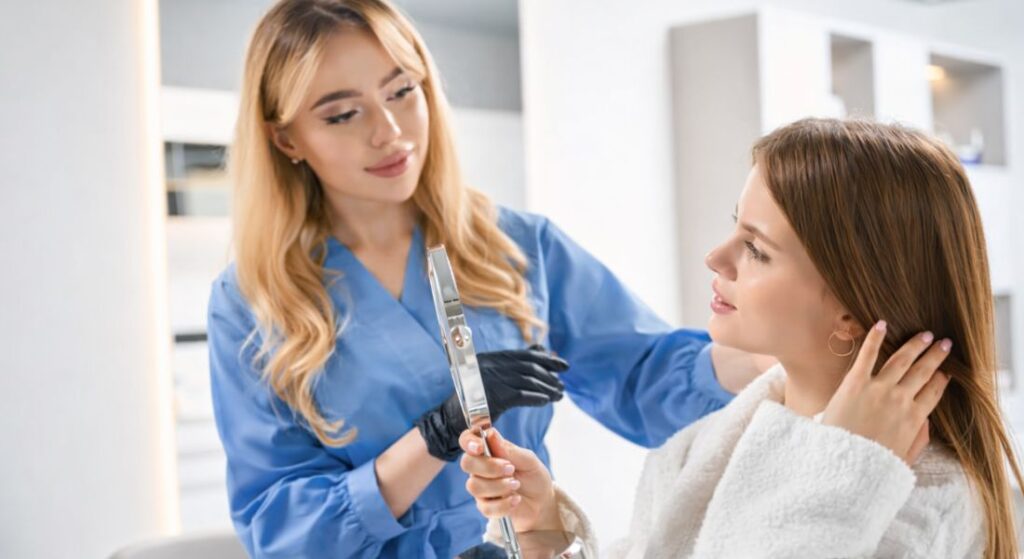
At the stage where advanced treatments are being considered, professional guidance becomes essential. CO₂ laser is not a superficial or routine procedure, and results depend heavily on correct assessment and execution. Without expertise, treatment depth can be either insufficient to help or excessive enough to cause harm.
You and we must understand that incorrect depth does not increase results, it only increases risk. Skin thickness, healing capacity, and ageing patterns vary widely between individuals. Experience is what allows these variables to be interpreted safely and effectively rather than treated generically.
At London Medical & Aesthetic Clinic, assessments are never routine. We evaluate skin behaviour, not just appearance, before recommending laser. This ensures treatment is appropriate, targeted, and proportionate, protecting both results and long-term skin health.
When CO₂ Laser Becomes a Logical Next Step
CO₂ laser becomes a logical next step when skincare is maintaining the skin but no longer producing visible improvement. If you are consistent yet unchanged, this usually signals that surface care has reached its biological limit. At this point, deeper intervention may be required.
It also becomes relevant when facials feel repetitive rather than transformative. If treatments provide short-lived brightness but no lasting change, this suggests that dermal structure needs support. Laser addresses what topical and manual treatments cannot reach.
This progression is natural and reflects how skin ages over time. You and we are not “giving up” on skincare; we are responding to deeper change. When structure needs rebuilding, CO₂ laser fits logically into the journey.
FAQs:
1. How do I know when skincare and facials have genuinely stopped working for my skin?
You may recognise this stage when your skincare routine remains consistent, products are well chosen, and facials are regular, yet your skin looks largely unchanged month after month. Improvements that once felt noticeable may become subtle or disappear quickly. This usually indicates that the skin’s surface is being maintained but deeper structural changes, such as collagen loss, are now driving appearance. At this point, the issue is not product quality or effort, but biological limitation.
2. Does reaching a skincare plateau mean I have been using the wrong products?
No, reaching a plateau does not mean your skincare has failed or that you have chosen the wrong products. In many cases, it means your routine has done exactly what it is capable of doing at a surface level. Skincare works primarily within the epidermis and cannot rebuild deeper dermal structures. When ageing shifts below the surface, even excellent products cannot reverse those changes, which is why progress naturally slows or stops.
3. Why can’t facials stimulate long-term collagen production?
Facials are designed to improve circulation, hydration, and surface renewal, but they do not penetrate deeply enough to activate fibroblasts within the dermis. Collagen production occurs at a structural level that manual treatments and surface exfoliation cannot reach. While facials support skin comfort and appearance, their effects are short-lived because they do not trigger the biological repair processes needed for long-term change.
4. What makes CO₂ laser different from other skin treatments I may have tried?
CO₂ laser differs because it directly targets both the epidermis and the dermis using controlled energy. Rather than improving appearance temporarily, it initiates a wound-healing response that stimulates new collagen formation and tissue remodelling. This changes how the skin functions and behaves over time. Unlike peels or facials, CO₂ laser addresses the root structural causes of texture and thinning rather than only surface symptoms.
5. Is CO₂ laser only suitable for severe ageing or damaged skin?
CO₂ laser is not reserved only for severe ageing, but it is most effective when structural changes are present. Patients with early to moderate texture changes, thinning, fine lines, or crepey skin often respond very well. Using laser earlier, when the skin still has good regenerative capacity, can lead to more natural and predictable outcomes. Suitability depends on skin condition rather than how dramatic ageing appears.
6. Why do results from CO₂ laser take months to fully appear?
The most meaningful improvements from CO₂ laser come from collagen synthesis and dermal remodelling, which are slow biological processes. After treatment, fibroblasts gradually produce new collagen fibres that mature and organise over time. This process cannot be rushed and typically unfolds over several months. Early surface changes are not the final result, and patience is essential for appreciating the true benefit of the treatment.
7. Is downtime really necessary, or could results be achieved without recovery time?
Downtime is a necessary part of deeper skin regeneration rather than an inconvenience. When treatment reaches the dermis, the skin needs time to heal, settle inflammation, and build new collagen properly. Treatments with little or no downtime usually produce only superficial change. CO₂ laser relies on recovery to create durable improvement, and skipping this phase would limit results rather than enhance them.
8. Will CO₂ laser replace the need for skincare once it is done?
CO₂ laser does not replace skincare; instead, it resets the skin’s foundation. After laser treatment, the skin often becomes stronger and more responsive, but it still requires daily care to protect and maintain improvements. Skincare helps preserve new collagen, support barrier function, and reduce environmental damage. Without consistent aftercare, the benefits of laser can diminish more quickly over time.
9. Can CO₂ laser lift sagging skin in the same way as surgical treatments?
CO₂ laser improves skin quality, density, and texture, but it does not produce the same lifting effect as surgery. Its strength lies in refining the skin rather than repositioning facial structures. Patients often notice firmer, healthier-looking skin, but expectations must remain realistic. When the goal is improved texture and resilience rather than dramatic lifting, CO₂ laser is an appropriate choice.
10. How do I know if CO₂ laser is the right next step for me personally?
Determining whether CO₂ laser is right for you requires a professional assessment of your skin’s behaviour, healing capacity, and underlying changes. Factors such as texture, thinning, responsiveness to skincare, and realistic expectations are more important than age alone. When skincare no longer produces improvement and deeper changes are evident, CO₂ laser often becomes a logical and effective next step. A tailored consultation ensures that treatment is appropriate, safe, and aligned with your goals.
Final Thoughts: When Skincare Reaches Its Natural Limit
When skincare and facials stop delivering visible change, it is rarely because you have done something wrong. More often, it reflects a natural shift in how the skin ages, with deeper structural changes beginning to dominate appearance and texture. Understanding the difference between surface maintenance and true regeneration helps you make calmer, more informed decisions about next steps, rather than endlessly adjusting products that have already done their job.
At this stage, treatments that work within the dermis become more relevant. Options such as a personalised C02 laser treatment can support collagen renewal and improve skin quality in ways topical care cannot. If you’re thinking about C02 laser treatment in London, you can get in touch with us at London Medical & Aesthetic Clinic.
Reference:
1. Belletti, S., Madeddu, F., Brando, A., Provenzano, E., Nisticò, S. P., Fusco, I. and Bennardo, L. (2023) Laser impacts on skin rejuvenation: the use of a synergistic emission of CO₂ and 1540 nm wavelengths, Medicina, 59(10), p. 1857. https://www.mdpi.com/1648-9144/59/10/1857
2. Avdulaj, A. et al. (2025) Fractional CO₂ laser for acne scar treatment, Journal of Aesthetic Medicine, 1(1), p. 2. https://www.mdpi.com/3042-6774/1/1/2
3. Chan, N. P. Y. et al. (2010) Fractional ablative CO₂ laser resurfacing for skin rejuvenation and acne scars in Asians, Lasers in Surgery and Medicine. https://pubmed.ncbi.nlm.nih.gov/20976801/
4. Ross, E. V., et al. (1997) Long-term results after CO₂ laser skin resurfacing: comparison of scanned and pulsed systems, Journal of Dermatologic Surgery. https://www.sciencedirect.com/science/article/abs/pii/S0190962297701063
5. Guo, H. et al. (2023) Dynamic panoramic presentation of skin function after fractional CO₂ laser treatment, iScience, 26, p. 107559. https://www.sciencedirect.com/science/article/pii/S258900422301636X