

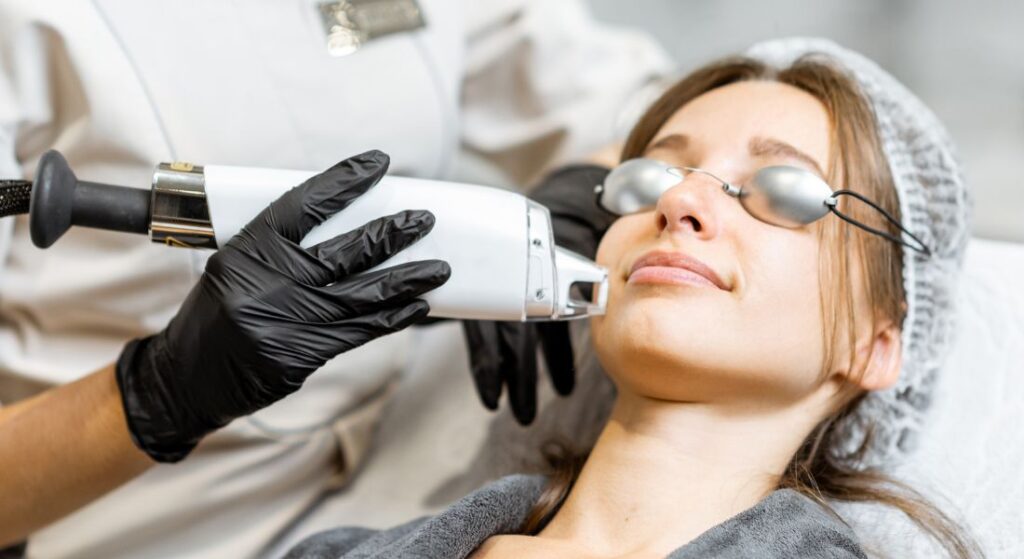
You might have heard that CO2 laser is mainly used for deep acne scars or advanced wrinkles, but it is also incredibly powerful for sun damage. The treatment doesn’t just remove the surface layer of damaged skin it stimulates deep collagen remodeling, reduces pigmentation, evens skin tone and resurfaces the complexion in a way few other treatments can match.
In this guide, I’ll explain exactly how CO2 laser helps with sun damage and pigmentation, what the treatment involves, how many sessions you may need, what your recovery will look like and what results you can realistically expect. My goal is to help you decide confidently whether CO2 laser is the right option for your skin concerns.
Understanding Sun Damage: Why Pigmentation Happens
To appreciate how CO2 laser works, it helps to understand what sun damage does to the skin. Every time your skin is exposed to ultraviolet (UV) light, even on cloudy days, invisible damage begins.
UV exposure triggers:
– DNA changes in skin cells
– increased melanin production
– breakdown of collagen
– thickening of surface layers
– formation of sunspots
– uneven texture
– enlarged pores
– fine lines and wrinkles
– rough or leathery feel
Over the years, these changes accumulate and become visible.
Common signs of sun damage include:
– dark spots (sunspots or solar lentigines)
– blotchy pigmentation
– “patchy” complexion
– uneven texture
– crepey skin
– fine lines
– roughness
– dullness
– redness or broken capillaries
The deeper the UV damage, the harder it is to treat with topical creams alone. This is where CO2 laser becomes so valuable.
Why CO2 Laser Is So Effective for Sun Damage
CO2 laser is an ablative fractional laser, meaning it removes small columns of damaged skin while leaving surrounding tissue intact for healing. Unlike light-based treatments such as IPL (Intense Pulsed Light), CO2 laser goes deeper and rebuilds the entire surface from the inside out.
CO2 laser works on sun damage by:
– removing damaged pigmented layers
– stimulating new, fresh skin cells
– promoting deep collagen production
– softening fine lines
– breaking up stubborn pigmentation
– shrinking enlarged pores
– smoothing rough texture
This is not just a superficial treatment it transforms the structural quality of the skin.
Types of Pigmentation CO2 Laser Can Treat
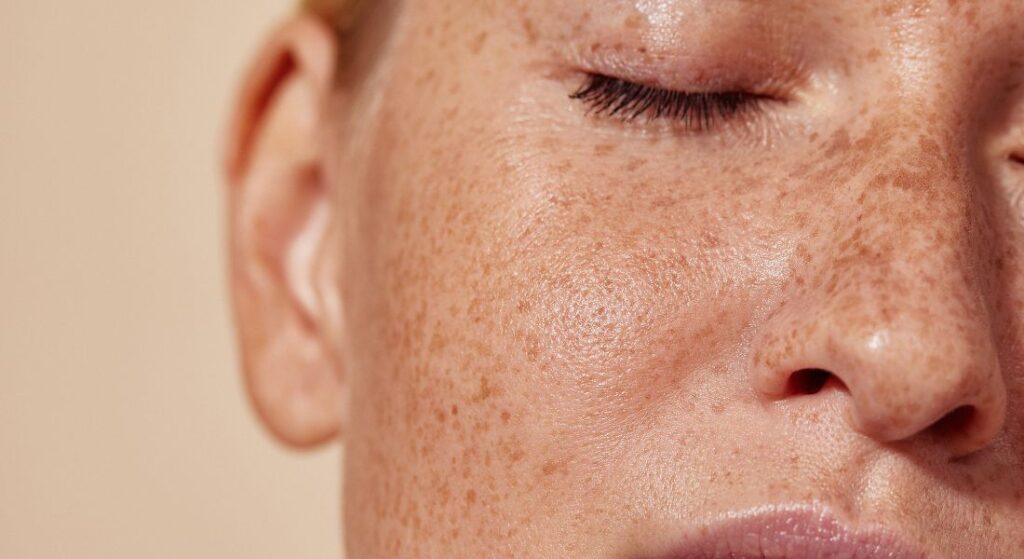
One of the biggest questions people ask is whether CO2 laser can treat all types of pigmentation. The answer depends on the underlying cause.
Here’s what CO2 laser is effective for.
1. Sunspots (Solar Lentigines)
These flat, brown spots appear on areas exposed to the sun over many years.
CO2 laser can dramatically lighten or remove them.
2. Blotchy Sun Damage
Uneven tone caused by UV exposure.
CO2 laser resurfaces the skin so the tone becomes more even.
3. Age-Related Pigmentation
Pigment that builds up as skin ages.
CO2 laser targets both surface and deeper layers.
4. Freckles (Lentigo)
Though freckles can return with sun exposure, they often lighten significantly after treatment.
CO2 laser can reduce their appearance.
5. Post-Inflammatory Pigmentation from Sun Exposure
UV inflammation can darken previously injured areas.
CO2 laser helps fade these spots over time.
6. Texture + Pigmentation Combination
Many people have both pigmentation and roughness.
CO2 laser can improve both simultaneously.
What CO2 Laser Is NOT Ideal For
– melasma
– hormonally driven pigmentation
– pigment tied to inflammatory conditions
– pregnancy-related pigmentation
These forms of pigmentation respond better to gentler laser modalities or topical treatments.
1. Ablative Resurfacing (Immediate Effect)
The laser removes microscopic columns of skin called “fractional channels.”
This eliminates:
– damaged pigment cells
– rough surface cells
– built-up keratin
– precancerous sun-damage changes
– thickened texture
This creates an immediate “reset” of the surface.
2. Collagen Remodeling (Long-Term Effect)
The heat from the laser stimulates fibroblasts the cells responsible for collagen production.
This leads to:
– tighter skin
– improved elasticity
– smoother texture
– fewer fine lines
– clearer tone
This collagen rebuilding continues for 3–9 months after treatment.
What Happens During CO2 Laser for Sun Damage
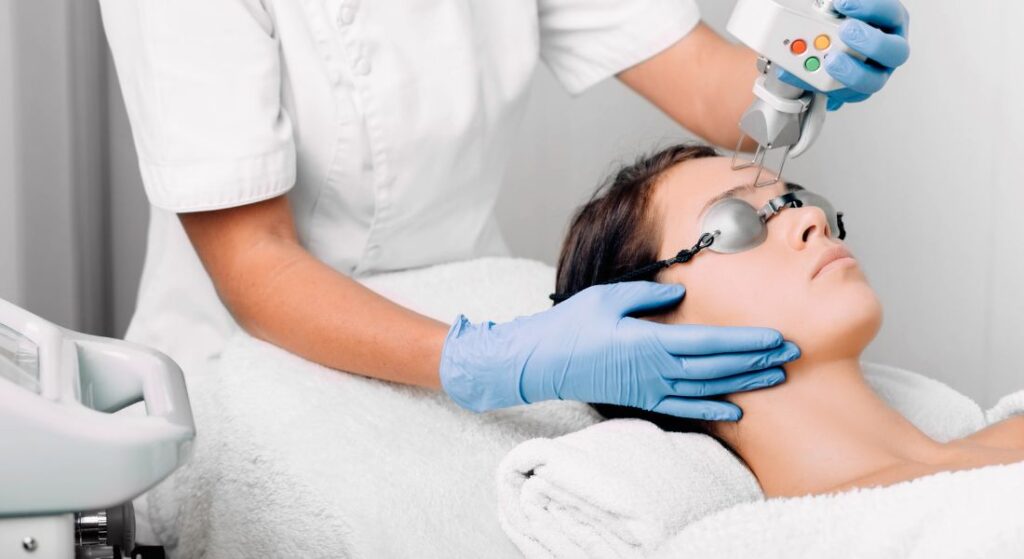
If you’re considering this treatment, you’re probably wondering what the actual procedure feels like. Here’s a step-by-step explanation.
Step 1: Consultation & Skin Assessment
Your clinician will assess:
– how severe your sun damage is
– your skin type
– pigmentation patterns
– your risk factors
– suitability for CO2 laser
You may be advised to prepare your skin with:
– retinoids
– pigment inhibitors
– gentle exfoliants
– sunscreen
– moisturisers
This helps reduce pigmentation rebound.
Step 2: Numbing
A strong topical anaesthetic is applied for 30–60 minutes.
Some clinics also provide:
– nerve blocks
– cooling devices
– mild oral medication
This improves comfort significantly.
Step 3: Laser Passes Begin
Your practitioner will perform multiple passes with the CO2 laser, targeting:
– sunspots
– roughness
– pigmentation clusters
– fine lines
– texture irregularities
You may feel warmth, tingling or a snap-like sensation.
Step 4: Cooling & Immediate Aftercare
The skin will be:
– warm
– red
– slightly swollen
You will be given:
– cooling gel
– moisturising ointment
– sunscreen instructions
– anti-inflammatory products
– healing guidelines
What to Expect After CO2 Laser for Sun Damage
Recovery varies depending on how deep your treatment is. Let’s break it down week by week.
Day 1–3: The Intense Phase
You will experience:
– redness
– swelling
– tightness
– pinpoint scabbing
– heat sensations
This is completely normal and expected.
Your skin may look sunburned and feel warm. Pigmentation may temporarily appear darker before peeling.
Day 3–7: Peeling & Regeneration
Your skin will begin to:
– peel
– shed
– flake
– lighten
– reveal fresh new skin
Pigmented areas often peel off during this stage.
Week 2–4: Pinkness & Improvement
Your skin may remain pink, especially if treated aggressively.
You will notice:
– smoother texture
– reduced pigmentation
– tighter appearance
– improved luminosity
Make-up can usually be used at this stage.
Month 1–3: Collagen Building
Deeper improvements begin to show:
– fewer wrinkles
– improved elasticity
– clearer tone
– softer lines
– reduced pores
Pigmentation continues to fade gradually.
Month 3–9: Final Results Develop
Most people see continued improvements in:
– texture
– tone
– sunspots
– fine lines
– firmness
Because collagen production continues long after treatment, results can look even better months later.
Results You Can Expect from CO2 Laser for Sun Damage

CO2 laser is one of the most transformative treatments for UV damage.
Here’s what you can realistically expect.
1. Major Reduction in Sunspots
Most sunspots fade significantly or disappear completely.
2. Much More Even Skin Tone
Patches of brown, dullness and uneven tone diminish dramatically.
3. Smoother Texture
The rough, leathery surface caused by UV thickening improves.
4. Reduced Wrinkles & Lines
Collagen remodeling softens signs of ageing.
5. Smaller Pores
Sun-damaged pore walls shrink as collagen increases.
6. Brighter, Fresher Appearance
Your skin will look clearer, healthier and rejuvenated.
How Many CO2 Laser Sessions Do You Need for Sun Damage?
The number of sessions varies depending on:
– severity of sun damage
– your skin type
– desired results
– laser depth
– whether pigment is superficial or deep
General guidelines:
Mild sun damage: 1 light-to-medium session
Moderate damage: 1–2 medium sessions
Severe damage: 1 deep session or 2–3 lighter sessions
Stubborn pigmentation: 2–3 sessions
Because CO2 laser is powerful, sessions are usually spaced 3–6 months apart.
Is CO2 Laser Safe for All Skin Types?
This is extremely important.
For lighter skin types (Fitzpatrick I–II):
– CO2 laser is generally very safe
– Low risk of pigmentation rebound
For medium skin types (III–IV):
– Effective, but must be done conservatively
– Increased risk of post-inflammatory pigmentation
– Requires careful pre-treatment
For darker skin types (V–VI):
– High risk of pigmentation complications
– Not always recommended
– Fractional settings must be extremely cautious
For darker skin tones, alternatives may be better:
– erbium laser
– radiofrequency microneedling
– chemical peels
– IPL alternatives
– pigment-safe resurfacing
Risks & Side Effects to Be Aware Of
Every procedure has risks.
Here are the most common CO2 laser considerations.
1. Redness (common)
May last week’s depending on depth.
2. Swelling
Usually resolves within days.
3. Pigmentation Rebound
Especially in medium to darker skin tones.
4. Prolonged Pinkness
More likely with deeper resurfacing.
5. Infection (rare)
Hygiene is essential.
6. Scarring (very rare)
Risk increases if aftercare instructions are not followed.
How Long Do Results Last?
CO2 laser results can last years, depending on:
– sun exposure
– lifestyle
– skincare routine
– genetics
– use of sunscreen
If you protect your skin well, results last much longer.
CO2 Laser vs. IPL for Sun Damage
Many people wonder whether IPL is a better option.
IPL is best for:
– superficial pigmentation
– redness
– broken capillaries
CO2 laser is best for:
– deep sun damage
– rough texture
– wrinkles
– stubborn pigmentation
– enlarged pores
Often, the two are combined for optimal results.
Preparing for CO2 Laser
To minimise risks and maximise results, you may be advised to:
– avoid sun exposure for 4–6 weeks
– use pigment inhibitors
– stop retinoids 1 week before
– avoid exfoliants
– hydrate your skin
– protect the barrier
This reduces pigmentation rebound and speeds healing.
Aftercare: Supporting Your Healing Process
Proper aftercare is essential.
Key steps include:
– gentle cleansing
– hydrating ointments
– sunscreen after peeling
– avoiding direct sun
– avoiding make-up initially
– using soothing ingredients
– avoiding active skincare until cleared
Following instructions protects your results.
FAQs:
1. Is CO2 laser really effective for treating sun damage and pigmentation?
Yes, CO2 laser is considered one of the most effective treatments for reversing visible sun damage. It works by vaporising damaged skin layers while simultaneously heating the deeper dermis, which stimulates new collagen and encourages fresh skin regeneration. As a result, sunspots fade dramatically, uneven tone becomes more balanced and the rough, leathery texture associated with UV exposure improves significantly. Because CO2 laser targets both the surface and deeper structures of the skin, the results are often far more transformative than topical products or lighter treatments such as IPL.
2. Does CO2 laser permanently remove sunspots?
CO2 laser can permanently remove or significantly lighten many types of sunspots, especially solar lentigines caused by long-term UV exposure. The laser destroys pigmented cells and triggers the body’s natural healing process to replace them with fresh, unblemished skin. However, whether the results remain permanent depends heavily on how well the skin is protected afterwards. If you expose your skin to the sun without SPF, new sunspots can form over time, even if the old ones don’t return. Consistent sunscreen use and sun-safe habits are essential for maintaining long-term results.
3. How painful is a CO2 laser treatment?
Most people describe CO2 laser as uncomfortable but manageable. Before the procedure begins, a strong numbing cream is applied for up to an hour to minimise discomfort. Many clinics also use cooling devices, nerve blocks or mild medication to keep the experience tolerable. During the treatment itself, you may feel heat, tingling or a snapping sensation as the laser creates tiny channels in the skin. After the session, the skin often feels warm and tight as if you’ve had a sunburn which can last for several hours. This sensation gradually settles as the skin begins to heal.
4. Can CO2 laser make pigmentation worse?
CO2 laser can temporarily darken pigmentation during the initial healing phase, but this is a normal and expected part of the process. The darker patches represent pigment being pushed to the surface as the damaged layer prepares to shed. In certain skin types especially medium to darker tones there is a risk of post-inflammatory pigmentation if the treatment is too aggressive or if proper pre-care and aftercare are not followed. To minimise this risk, clinicians often recommend pigment-inhibiting creams, careful sun avoidance and tailored laser settings based on your Fitzpatrick skin type.
5. How long does it take to heal after CO2 laser?
The initial healing stage typically lasts about one week, during which the skin feels warm, red and swollen. Over the next few days, the treated skin begins to peel, revealing fresh new skin beneath. After the first week, most people experience lingering pinkness that gradually fades over two to four weeks. If the treatment was deeper, the redness may take several months to fully resolve. While the surface may appear healed within one to two weeks, the deeper collagen remodelling continues silently beneath the skin for many months afterwards.
6. When will I start noticing results from CO2 laser?
Most people begin to notice early improvements once the peeling phase is complete, usually within seven to ten days. The skin appears brighter, smoother and more refined even during the early stages. Over the next few weeks, pigmentation continues to lighten and the overall tone becomes more even. The most significant improvements come between one and three months as collagen production increases and structural changes become more apparent. For deeper resurfacing, results may continue developing for up to nine months as the skin becomes firmer, clearer and more uniform.
7. How many CO2 laser sessions will I need?
This depends entirely on the severity of your sun damage and your treatment goals. Many people with mild or moderate sun damage achieve excellent results with a single session, especially if the treatment is performed at medium depth. More stubborn pigmentation or extensive UV damage may require a second session several months later. Those with deep or widespread damage sometimes choose a series of lighter sessions instead of one aggressive treatment. Because CO2 laser is powerful, the spacing between sessions is usually long often three to six months allowing the skin to fully remodel before another treatment is considered.
8. Is CO2 laser safe for darker skin tones?
CO2 laser requires extreme caution in medium to darker skin tones because these skin types are more prone to pigmentation complications. While the treatment can still be effective, the settings must be conservative, and the skin often needs to be pre-treated with pigment-inhibiting products. In many cases, clinicians recommend safer alternatives such as fractional erbium lasers, radiofrequency microneedling or chemical peels. For Fitzpatrick types V and VI, CO2 laser is often avoided entirely unless performed by an experienced practitioner using specialised parameters, as the risk of post-inflammatory hyperpigmentation is significantly higher.
9. What aftercare is required following a CO2 laser treatment?
Aftercare is essential because the skin is highly sensitive during the healing phase. For the first few days, a protective ointment is applied regularly to keep the skin moist and support the regeneration of new tissue. Cleansing is done gently to avoid disturbing the healing skin. Once peeling has finished, sunscreen becomes vital because the fresh skin is extremely vulnerable to UV rays. Makeup is usually allowed after around one week, once the surface has healed. Active skincare ingredients such as retinoids, acids and exfoliants must be avoided until your clinician confirms that your skin barrier has fully recovered.
10. How long do the results of CO2 laser last?
The results can last for many years if the skin is well-protected and maintained. CO2 laser addresses both surface damage and deeper structural issues, meaning the improvements in texture, tone and firmness are long-lasting. However, sun exposure remains the biggest factor in how long the results persist. If you regularly spend time outdoors without sunscreen, new pigmentation and sunspots may begin to form. With good skincare habits, consistent sunscreen and occasional maintenance treatments such as lighter lasers or chemical peels, most people enjoy the benefits of CO2 laser for a very long time.
Final Thought: Is CO2 Laser the Right Option for You?
Treating sun damage and pigmentation can feel overwhelming, especially when you’ve tried creams or lighter treatments without much success. CO2 laser resurfacing remains one of the most reliable ways to rebuild healthier, fresher and more even-toned skin not just on the surface but deep within the dermis where true rejuvenation happens.
If you’re exploring your options and want to understand the treatment in more detail, it’s helpful to speak directly with a specialist. Visiting a trusted CO2 laser clinic in London, such as the team at London Medical & Aesthetic Clinic, can give you a clear idea of what your skin truly needs, how many sessions may suit you and what results you can realistically expect. If you’re thinking about CO2 laser clinic in London, feel free to reach out to us at the London Medical & Aesthetic Clinic.
References:
1. Nisticò, S., Silvestri, M., Zingoni, T., Tamburi, F. & Bennardo, L. (2020) Fractional CO2 laser for skin rejuvenation: A review of clinical applications and patient outcomes. Journal of Clinical Medicine, 9(11), 1–12. Available at: https://www.mdpi.com/2077-0383/9/11/3540
2. Hantash, B.M., Bedi, V.P., Kapadia, B., Rahman, Z. & Jiang, K. (2007) In vivo histological evaluation of a novel ablative fractional resurfacing device. Lasers in Surgery and Medicine, 39(2), 96–107. Available at: https://pubmed.ncbi.nlm.nih.gov/17295366/
3. Tierney, E.P. & Hanke, C.W. (2009) Recent advances in combination laser therapy for photoaging skin. Dermatologic Surgery, 35(12), 1833–1843. Available at: https://pubmed.ncbi.nlm.nih.gov/19995307/
4. Orringer, J.S., Voorhees, J.J. & Hamilton, T. (2005) Clinical and histological effects of CO2 laser resurfacing for photoaged skin. Archives of Dermatology, 141(2), 212–218.
Available at: https://www.ncbi.nlm.nih.gov/pmc/articles/PMC1479799/
5. Chan, H.H., Ying, S.Y., Ho, W.S., Wong, D.S. & Lai, R.K. (2000) Laser treatment of solar lentigines in Asian skin using Q-switched Nd:YAG laser. Lasers in Dermatology, 6(4), 1–8. Available at: https://www.ncbi.nlm.nih.gov/pmc/articles/PMC1397853/