


If you’re thinking about improving your stretch marks with CO₂ laser, you’re likely wondering how many sessions you’ll actually need. This is one of the most common questions people ask, especially if their stretch marks have been there for years or were caused by pregnancy, weight changes, or growth spurts. You may have seen online claims of results after a single session, while others say you need four, six, or even more treatments. With so much mixed information, it can be confusing to figure out what’s realistic.
In this guide, I want to make it clear and straightforward for you. I’ll explain how CO₂ laser works, why some areas of the body need more sessions than others, and what influences your treatment plan such as the age of your stretch marks, your skin type, and the depth of the marks. I’ll also walk you through typical session numbers for different areas, including the stomach, thighs, hips, and breasts, because each area responds differently.
By the end of this article, you’ll have a much clearer idea of what to expect and how many CO₂ laser treatments you might need to see meaningful, long-term improvement.
Why CO₂ Laser Is Used for Stretch Marks
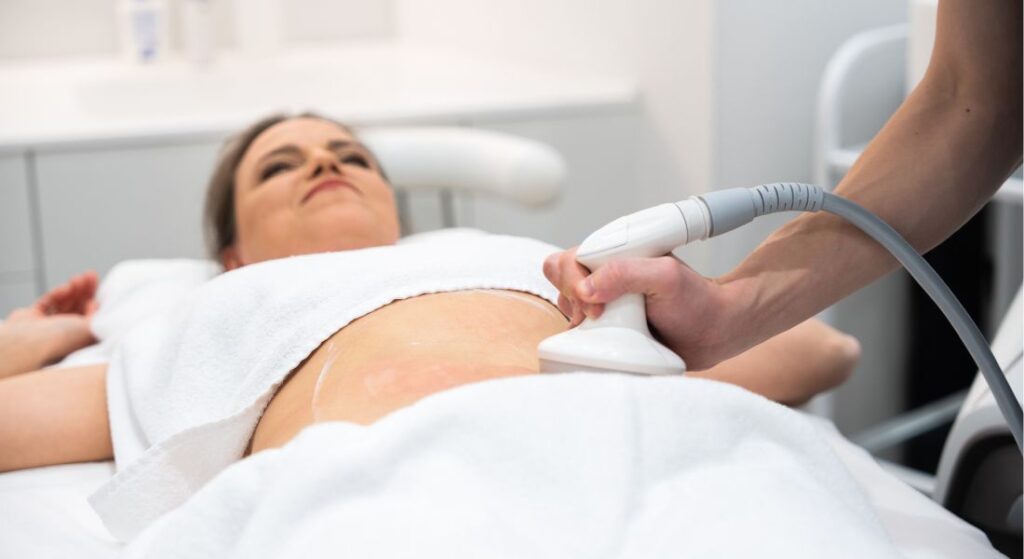
CO₂ fractional laser is one of the most effective treatments for stretch marks because it reaches deep into the dermal layer where the structural changes happen. Unlike creams, oils, or superficial treatments that work only on the top layer of skin, CO₂ laser targets the disorganised collagen beneath the surface.
When the laser is applied to the skin, it creates microscopic channels while leaving surrounding tissue intact. These micro-injuries stimulate your body to remove damaged collagen and replace it with fresh, more structured fibres. Over time, this process helps:
– Smooth indented or uneven texture
– Improve colour and tone
– Tighten loose or thinned skin
– Reduce the depth and width of the stretch marks
This deep stimulation is what makes CO₂ laser a powerful option, especially for older stretch marks that haven’t responded to anything else.
Understanding What Affects the Number of Sessions
While it would be convenient for everyone to need the same number of sessions, the reality is that several factors influence how many treatments you may require. The biggest ones include:
1. The Age of Your Stretch Marks
Younger stretch marks are usually red or purple (striae rubrae). They tend to respond faster because they still have active blood flow and inflammation. Older stretch marks (striae albae) appear white or silver and are more resistant. They typically require more sessions because the collagen disruption has been present for years.
2. The Depth and Width of the Marks
If your stretch marks are very deep, indented, or wide, they will likely need a longer course of treatment. CO₂ laser works in layers, and deeper marks need repeated stimulation to remodel the full thickness of the skin.
3. Your Skin Type
People with fair to medium skin tones often respond faster to higher-energy treatments. Those with deeper skin tones may require more conservative settings to avoid pigmentation changes, which can mean more sessions.
4. The Area of the Body
Different areas of the body heal differently. The abdomen often responds faster than the hips, while the breasts may need more delicate treatment. I’ll explain each area in detail shortly.
5. Your Body’s Collagen Response
Everyone heals at a different speed. Some people see improvement quickly, while others need longer because their collagen renewal process works more gradually.
6. Treatment Intensity
Higher-energy treatments create stronger collagen remodelling but can involve longer downtime. Lower-energy settings may require additional sessions for a similar result.
Understanding these factors helps you set realistic expectations and gives you a clear idea of why CO₂ laser is not a one-size-fits-all treatment.
How Many CO₂ Laser Sessions Are Usually Needed? (General Overview)
For most people, the typical recommendation is:
3 to 5 sessions spaced 4 to 8 weeks apart
But this is an average. Some may only need two sessions for mild stretch marks. Others, especially with older or deeper marks, may need four to six sessions. CO₂ laser is cumulative. Each session builds on the last, creating deeper collagen remodelling and gradual improvement over time. Your final result depends on how consistently you follow your treatment plan and how your skin responds to the stimulation. Now let’s look at specific body areas.
How Many Sessions for Stretch Marks on the Stomach?
The stomach is one of the most common areas people seek treatment for, especially after pregnancy or major weight changes. The skin on the abdomen is strong but prone to stretching, which often leads to deep, wide stretch marks.
Typical session count: 3 to 6 sessions
Younger stretch marks may respond in as few as two or three sessions, particularly if they’re still pink or red. Older stretch marks, which are white or silver, often require closer to five or six sessions to see significant changes.
What influences stomach results?
Several factors can influence how well CO₂ laser works on abdominal stretch marks. Pregnancy-related marks often tend to be deeper, while rapid weight gain or loss can lead to more widespread streaks. Certain areas of the abdomen may have looser or thinner tissue, which can affect results, and older stretch marks are generally more resistant to treatment. Despite these factors, the abdomen usually responds well overall because it has good blood flow and thicker skin, which helps promote collagen remodelling and smoother skin.
How Many Sessions Are Needed for Stretch Marks on the Thighs?
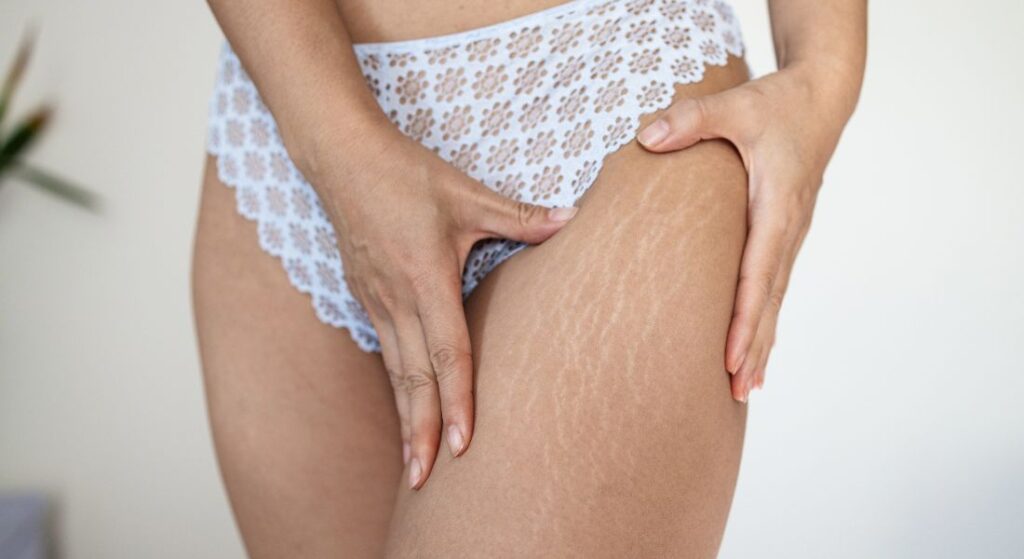
Stretch marks on the thighs can be challenging to treat, particularly on the inner thighs where the skin is thinner and more sensitive. Outer thigh stretch marks often respond faster because the skin in this area is thicker and more resilient.
Typical Number of Sessions:
Most patients see noticeable improvement after 3 to 5 treatment sessions, though this can vary depending on individual factors.
Why Inner Thighs May Require More Sessions?
Inner thigh skin is thinner and more delicate, which means treatments in this area often need to use gentler settings to minimise the risk of irritation or pigmentation changes, particularly in individuals with darker skin tones. Because of these necessary precautions, inner thigh stretch marks may require more sessions to achieve results comparable to those seen on the outer thighs, where the skin is thicker and more resilient.
Factors That Influence Results on the Thighs:
– Skin thickness: Inner thighs are thinner, outer thighs are thicker, affecting how well treatments penetrate.
– Depth of stretch marks: Older or deeper stretch marks, often from puberty or rapid growth, may take longer to improve.
– Friction: The thighs experience more rubbing during daily movement, which can slow healing.
– Pigmentation risk: Darker skin tones have a higher risk of pigmentation changes, so treatment must be tailored carefully.
With the right approach, the thighs can achieve excellent improvement in stretch mark appearance, but it’s important to have realistic expectations and understand that treatment may take slightly longer compared to other body areas.
How Many Sessions for Stretch Marks on the Hips?
Hip stretch marks are often wide and can be some of the most resistant because the skin stretches horizontally. This area also has slightly less blood flow than the stomach, which can slow improvement.
Typical session count: 4 to 6 sessions:
Many people find that hip stretch marks need more treatment compared to the abdomen simply because of how deep they run.
Why hips need more sessions?
The hips often require more treatment sessions because the skin in this area is subjected to repeated stretching from movements such as walking or sitting, which can make stretch marks more resistant to improvement. In addition, stretch marks on the hips tend to be longer and wider, and the skin thickness can vary across the area, making treatment more challenging. Older stretch marks in this region often sit deeper in the dermis, which can slow the response to therapy. While significant improvement is absolutely possible, achieving optimal results on the hips usually requires a bit more patience, consistency, and commitment compared to other areas of the body.
How Many Sessions for Stretch Marks on the Breasts?
Stretch marks on the breasts require the gentlest approach because the skin is thinner and more delicate. The laser settings need to be conservative, especially near the décolletage.
Typical session count: 4 to 7 sessions
The number of sessions tends to be slightly higher because aggressive settings cannot be used in this area.
Why breast stretch marks need extra care?
Stretch marks on the breasts require extra care because the skin is thinner and the underlying tissue is softer and less dense. Using strong laser settings can increase the risk of hyperpigmentation, so treatments need to be more gradual and controlled. Rapid growth during puberty or pregnancy often leads to deeper stretch marks in this area, making careful, customised treatment essential. Despite these challenges, breast stretch marks can respond well to CO₂ laser therapy when sessions are planned thoughtfully and gradually.
What About Stretch Marks on the Buttocks, Arms, or Back?
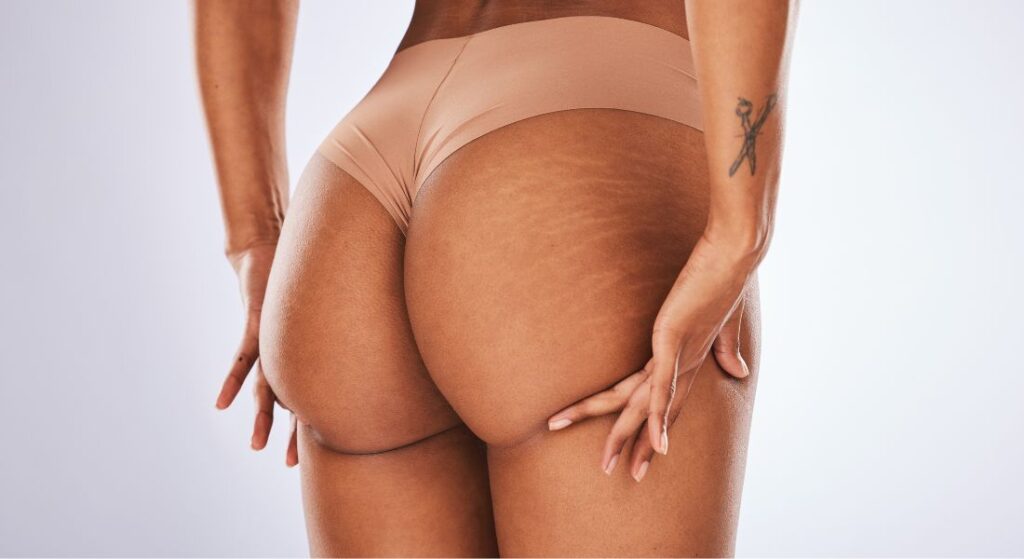
Stretch marks can appear in different areas of the body, and each region responds differently to treatment. Knowing how many sessions are typically needed can help set realistic expectations.
Buttocks:
Typically 3 to 5 sessions. The area responds well because the tissue is thick and can tolerate higher settings. Patients often notice visible improvement in skin texture and colour after each session, and the results tend to be long-lasting when combined with good skincare and hydration.
Upper Arms:
Usually 3 to 6 sessions. The skin may be looser, especially after weight changes, which can make treatment slightly slower. Multiple sessions help in gradually improving the elasticity and smoothness of the skin, with many patients seeing significant fading of older stretch marks.
Lower Back:
Often 3 to 4 sessions. This area usually responds faster due to the firmness of the tissue. Treatment can effectively reduce the depth and appearance of stretch marks, and the thicker dermal layer here allows for higher energy settings, improving overall skin texture more quickly.
How Do You Know When You Need More Sessions?
You may need additional treatments if your stretch marks are still deeply indented, the colour hasn’t fully blended, or you want more smoothing. Collagen remodelling is still in progress, and your practitioner may also recommend continuing based on your skin’s response. Stretch marks improve gradually, not all at once. Many people notice visible changes around session two or three, but additional sessions may be needed to reach the desired improvement. Consistency and patience are key, as the skin continues to remodel and strengthen even after treatment sessions are completed.
Why You Can’t Always Predict the Exact Number of Sessions?
Everyone’s skin heals differently. Even if two people have similar stretch marks in the same area, their treatment needs may differ. Genetics, lifestyle, hydration, sleep, and diet all influence how your skin regenerates. Another reason is your body’s collagen cycle. For some people, collagen production increases rapidly. For others, it’s slower, meaning you may need more sessions for the same amount of improvement.
Your practitioner will evaluate your progress after each session and tailor your plan accordingly. It’s also important to remember that the age and severity of your stretch marks can affect results. Older or deeper marks often require more treatments, while newer ones may respond more quickly. This variability is why flexibility in your treatment plan is essential to achieve the best outcome.
The Role of Aftercare in Determining Results
Aftercare plays a massive role in how well your skin responds to CO₂ laser, and following a proper routine can significantly enhance your results. Key steps include avoiding sun exposure, using moisturisers as instructed, applying SPF consistently, avoiding hot showers and heavy exercise for a few days, not picking or scratching peeling skin, staying hydrated, and using collagen-supporting skincare if recommended. Careful adherence to aftercare helps your skin heal efficiently, supports optimal collagen remodelling, and reduces the risk of pigment changes.
How Long It Takes to See Results?
You’ll start seeing early improvements within a few weeks, but the most meaningful results come slowly as collagen rebuilds and organises itself. Full improvement can continue for several months, and patience is key because your skin gradually becomes smoother, firmer, and more even in tone over time.
Typical timeline:
2–4 weeks: Smoother texture, early softening, and a noticeable reduction in fine surface irregularities
6–8 weeks: Increased firmness, better colour blending, and gradual improvement in stretch mark depth
3–6 months: Most visible changes as deeper collagen remodelling matures, with skin appearing more even and resilient
Up to 12 months: Continued refinement from your final session, with long-term improvements in elasticity and overall skin quality
CO₂ laser is not a quick fix. It’s a long-term investment in your skin’s health, and following your treatment plan carefully maximises results while maintaining skin integrity.
FAQs:
1. Is CO₂ laser safe for all skin types?
CO₂ laser is generally safe for most skin types, but the approach may vary depending on your skin tone and sensitivity. People with darker skin may need more cautious settings to reduce the risk of pigmentation changes, while lighter skin tones can often tolerate higher energy levels. A thorough consultation with a qualified practitioner ensures that your skin is assessed properly and the treatment is customised for safety and effectiveness.
2. Can CO₂ laser completely remove stretch marks?
CO₂ laser cannot erase stretch marks entirely, but it can significantly reduce their appearance. The treatment works by stimulating collagen production and reorganising the skin’s structure, which smooths texture, improves colour, and tightens the area. Results vary based on the age, depth, and location of the stretch marks, and multiple sessions are usually necessary for the best improvement.
3. How painful is the treatment?
Most patients experience some discomfort during CO₂ laser treatment, often described as a warming or stinging sensation. Numbing cream or local anaesthetic can be applied to make the procedure more comfortable. Discomfort typically subsides quickly after the session, and post-treatment soreness is usually mild, similar to a sunburn.
4. How long does each session take?
The length of each CO₂ laser session depends on the size of the area being treated. Smaller areas, like the upper arms or lower back, may take 20 to 30 minutes, while larger areas, such as the stomach, thighs, or hips, can take 45 to 60 minutes. Your practitioner will plan the session to ensure even coverage and effective collagen stimulation without over-treating the skin.
5. Will the skin peel after treatment?
Yes, some peeling or flaking of the skin is a normal part of the healing process. The microscopic channels created by the laser stimulate skin renewal, and as new collagen forms, the top layer may shed naturally. Following aftercare instructions, such as using moisturisers and avoiding picking, is important to support smooth healing and prevent complications like hyperpigmentation or scarring.
6. Can CO₂ laser be combined with other treatments?
CO₂ laser can sometimes be combined with complementary treatments, such as microneedling, PRP (platelet-rich plasma), or topical collagen-stimulating products. However, these combinations need careful planning to ensure safety and optimal results. Your practitioner will advise on the best approach based on your skin type, stretch mark severity, and overall treatment goals.
7. How many sessions will I need?
The number of sessions varies from person to person and depends on factors like the age, depth, and location of your stretch marks, your skin type, and your body’s natural collagen response. While some people see noticeable improvement in two or three sessions, others may require four to six or more. Sessions are usually spaced several weeks apart to allow your skin to remodel and heal between treatments.
8. Are results permanent?
CO₂ laser results are long-lasting because the treatment stimulates new collagen formation, which strengthens the skin over time. However, factors like future weight fluctuations, pregnancy, or rapid growth can cause new stretch marks to form. Maintaining a healthy lifestyle and good skincare routine can help preserve the improvements achieved with treatment.
9. When will I see the full effect?
Initial changes, such as smoother texture and softer stretch marks, are often visible within a few weeks. The most meaningful results develop gradually over several months as deeper collagen remodelling matures. Many patients continue to notice improvement up to a year after their final session, making patience and adherence to the treatment plan crucial.
10. Are there any risks or side effects?
CO₂ laser is considered safe when performed by a qualified professional, but like all treatments, it carries some risks. Temporary redness, swelling, or mild irritation is common, and there is a small chance of pigment changes or prolonged sensitivity. Following aftercare instructions carefully, attending follow-up appointments, and informing your practitioner about any skin conditions or medications helps minimise risks and ensures a safe healing process.
Final Thought: CO₂ Laser for Stretch Marks
If you’re considering CO₂ laser treatment for stretch marks in London, understanding the typical number of sessions, how your skin responds, and the importance of aftercare can help you set realistic expectations. Each person’s treatment plan is customised based on factors like stretch mark age, depth, location, and skin type. For the best results, consistency and patience are essential, along with following your practitioner’s guidance. If you’re thinking about CO₂ laser treatment for stretch marks in London and want professional guidance, you can contact us at the London Medical & Aesthetic Clinic to book a consultation.
References:
1. Mohammad Hoesin Hospital Dermatology Clinic (2024) ‘Effectiveness of Fractional CO₂ Laser and Topical Centella asiatica Combination Therapy in Striae Distensae’, Journal of Lasers in Medical Sciences. https://pubmed.ncbi.nlm.nih.gov/39650780/
2. Kubik, P., Bighetti, S., Bettolini, L. et al. (2025) ‘The Effectiveness and Safety of 1470 nm Non‑Ablative Laser Therapy for the Treatment of Striae Distensae: A Pilot Study’, Cosmetics, 12(4), 148. https://www.mdpi.com/2079-9284/12/4/148
3. Verdelli, A. et al. (2023) ‘Striae Distensae: Clinical Results and Evidence‑Based Evaluation of 675 nm Laser Therapy. https://www.mdpi.com/1648-9144/59/5/841
4. Abdallah, M.A.R., Mostafa, A.E. & Mohammad, S.M.A.H. (2021) ‘Efficacy of Fractional CO₂ Laser and Human Lyophilized Growth Factors in the Treatment of Stretch Marks: A Clinical and Histopathological Study’, QJM: An International Journal of Medicine, 114(Supplement_1). https://academic.oup.com/qjmed/article/114/Supplement_1/hcab093.043/6379505
5. Sany, I. et al. (2022) ‘Comparative Study Between Fractional CO₂ Laser and Platelet‑Rich Plasma (or radiofrequency) in the Treatment of Striae Distensae’, full‑text https://pmc.ncbi.nlm.nih.gov/articles/PMC9398515/