


If you are considering Emsculpt or have already started a treatment course, one of the first questions you are likely to ask is when you can get back to exercise. Because Emsculpt works by triggering intense muscle contractions, it is natural to wonder whether rest is required or whether training should be paused. The good news is that Emsculpt fits very smoothly around an active lifestyle when it is planned correctly.
In this article, we explain how soon you can exercise after Emsculpt, what types of workouts are safe at different stages, and how training should be balanced alongside a full treatment course. We focus on physiology, recovery, and realistic guidance rather than generic advice. At London Medical & Aesthetic Clinic, we believe clear guidance helps you get the most from your treatment while protecting your body.
Why Exercise Timing Matters After Emsculpt
Emsculpt is not a passive cosmetic treatment where the body simply rests and recovers. It places a significant and focused demand on specific muscle groups during each session. These muscles work far harder than they would during normal daily activity. Understanding this process helps us respect what the body needs afterwards.
Timing plays an important role in how well muscles respond to treatment. If we exercise too aggressively too soon, we may place unnecessary strain on already fatigued muscles. This can increase discomfort without improving results. Giving the body space to adapt allows the treatment to work as intended.
Correct timing supports muscle adaptation rather than exhaustion. When we allow short recovery windows, muscles strengthen and respond more effectively. This approach improves comfort and helps us achieve better, more consistent outcomes from Emsculpt.
What Emsculpt Actually Does to Your Muscles
Emsculpt uses high-intensity focused electromagnetic energy to stimulate muscle tissue. This energy penetrates deep into the muscle layers without affecting the skin. It triggers extremely powerful contractions that the body cannot achieve voluntarily. These contractions happen repeatedly throughout the session.
The contractions are described as supramaximal because they go beyond what we can produce during exercise. Muscle fibres are forced to respond to this intense stimulus. As a result, they begin to adapt by strengthening and increasing tone. This process mirrors natural muscle development, but at an accelerated rate.
Like any muscle adaptation, this process requires brief recovery periods. Rest allows muscle fibres to respond positively to the stimulus. Without adequate recovery, we may reduce the effectiveness of treatment. Respecting this cycle helps optimise results.
Why Emsculpt Is Different From a Typical Workout
During a single Emsculpt session, muscles contract thousands of times in a short period. This level of stimulation cannot be replicated through gym-based exercise. Even high-intensity workouts rely on voluntary effort and natural fatigue limits. Emsculpt bypasses those limits entirely.
Despite the intensity, Emsculpt does not cause structural muscle damage. There is no tearing of fibres in the way that heavy resistance training can cause. The contractions are intense but carefully controlled. This makes the treatment effective without being harmful.
This distinction is important when considering recovery. Because muscles are fatigued rather than injured, recovery needs are different from traditional workouts. This understanding shapes recommendations around exercise timing and intensity after treatment.
Immediate Post-Treatment Sensations
After Emsculpt, it is common for muscles to feel sore, tight, or fatigued. This sensation is very similar to delayed onset muscle soreness experienced after exercise. It reflects muscle fatigue rather than any form of injury. Most people describe it as manageable and familiar.
These sensations usually begin within a few hours of treatment. You may notice stiffness when moving or engaging the treated area. This response is a normal sign that muscles have been challenged. It indicates that the treatment has activated the muscle tissue effectively.
In most cases, these sensations settle within 24 to 48 hours. As circulation improves and muscles recover, discomfort gradually fades. Allowing this natural recovery period helps maintain comfort and supports optimal treatment results.
Can You Exercise on the Same Day as Emsculpt?
In most cases, light activity is safe on the same day as Emsculpt. Gentle movement helps promote circulation and reduces stiffness. Walking, stretching, or relaxed mobility exercises are usually encouraged. These activities support recovery rather than interfering with it.
Light movement can help muscles feel more comfortable after treatment. It keeps the body active without adding excessive strain. We often find that gentle activity reduces tightness and improves overall comfort. Listening to your body is key during this period.
However, intense training involving the treated muscle group is best avoided initially. Heavy lifting or high-impact workouts can place unnecessary stress on fatigued muscles. Allowing time for recovery ensures muscles respond effectively to treatment and adapt as intended.
Light Exercise in the First 24 Hours
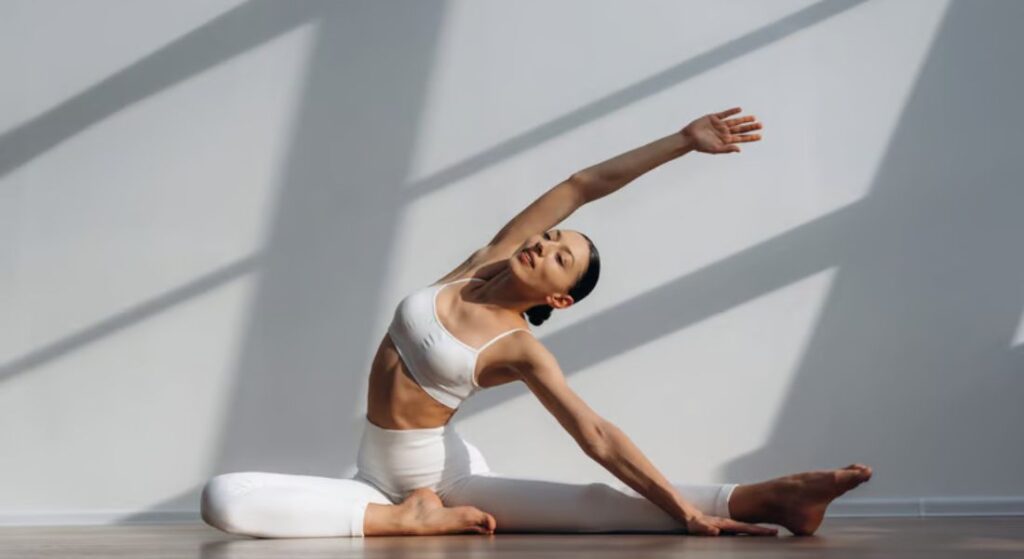
Light activity is usually safe and beneficial in the first day after Emsculpt. The aim is to stay mobile without placing extra demand on muscles that have already been intensely stimulated.
Here’s how we approach exercise during this early phase:
1. Gentle Movement Supports Circulation – We find that light, low-impact movement helps maintain circulation and reduces stiffness. This supports comfort without interfering with muscle recovery.
2. Walking and Relaxed Activity Are Ideal – Activities such as walking, gentle cycling, or relaxed mobility work are usually well tolerated. These options keep the body active without overloading treated muscle groups.
3. Light Stretching Can Ease Tightness – Gentle stretching may help reduce feelings of tightness after treatment. Movements should feel easy and controlled rather than effortful.
4. Comfort Should Guide Intensity – Mild soreness is expected, but discomfort should always guide activity level. If movements begin to feel uncomfortable, it is a signal to slow down or reduce effort.
By keeping activity light and responsive, recovery remains smooth. This balanced approach supports confidence, comfort, and an easier transition back to normal exercise in the days that follow.
Strength Training After Emsculpt Sessions
Strength training after Emsculpt should be approached with care and awareness. The treated muscles have already undergone intense stimulation through supramaximal contractions. Although this does not cause injury, it does place significant demand on muscle tissue. Allowing time for adaptation is important.
Training too hard too soon may increase soreness and prolong recovery. Heavy resistance work can add stress to muscles that are still adjusting to treatment. This does not improve results and may reduce overall comfort. Patience supports better long-term outcomes.
Most patients wait 24 to 48 hours before resuming heavier lifting involving the treated area. This timing allows muscles to recover and respond positively to the stimulus. When strength training is reintroduced gradually, muscles tend to feel stronger and more capable.
Cardio Workouts and Emsculpt Recovery
Cardio-based exercise is often easier to resume after Emsculpt than strength training. Low to moderate intensity activities are usually comfortable within a day of treatment. Exercises such as brisk walking, light jogging, or cycling can often be continued with minimal adjustment. These activities support circulation without excessive strain.
Higher-impact cardio, such as running or jumping-based workouts, may require a short adjustment period. If the core or glute muscles were treated, impact can feel different at first. You may notice mild fatigue or altered sensation during movement. This is usually temporary.
Gradual progression is recommended when returning to more demanding cardio. Starting gently allows the body to adjust smoothly. By increasing intensity over time, we reduce the risk of discomfort and support steady recovery.
How Exercise Fits Into a Full Emsculpt Course
Emsculpt is typically delivered as a structured course of sessions rather than a single treatment. Muscle adaptation occurs gradually and cumulatively across these sessions. Each treatment builds on the previous one. Exercise should support this process rather than compete with it.
Balancing workouts with treatment sessions helps prevent excessive fatigue. If intense exercise overlaps too closely with Emsculpt sessions, muscles may not recover optimally. We often find that spacing demanding workouts away from treatment days feels more comfortable. This approach allows muscles to respond fully to both.
When exercise and treatment are aligned thoughtfully, results are more consistent. Maintaining movement while respecting recovery enhances overall outcomes. This balance supports strength, comfort, and progress across the course.
Training on Treatment Days Versus Rest Days
Some patients prefer to schedule training on non-treatment days. This creates a clear separation between Emsculpt stimulation and physical exercise. It allows muscles to focus on adapting to one stimulus at a time. For many, this structure feels easier to manage.
Others maintain light routines even on treatment days. Gentle activity can support circulation and reduce stiffness without interfering with recovery. Both approaches can work when intensity is managed carefully. The key is avoiding overload.
Consistency and moderation matter more than exact scheduling. Listening to the body and adjusting intensity helps maintain comfort. When routines remain balanced, we support muscle recovery while staying active throughout the treatment period.
Why Overtraining Can Reduce Comfort
Emsculpt already places a high level of demand on the treated muscle groups. During each session, muscles are pushed far beyond what normal exercise can achieve. Adding excessive training on top of this stimulation can increase soreness and fatigue. This often reduces comfort without providing any added benefit.
Overtraining does not improve Emsculpt results. Muscle growth and strengthening occur during recovery rather than during constant effort. When we overload muscles repeatedly, we interrupt this adaptation process. The body needs time to respond positively to stimulation.
Respecting recovery enhances both comfort and outcomes. Short periods of rest allow muscles to rebuild and strengthen effectively. By balancing activity and recovery, we support better results with less discomfort.
How Core Treatments Affect Exercise Choices
After abdominal Emsculpt, core muscles commonly feel tired or heavy. This fatigue reflects intense activation rather than injury. Movements such as planks, sit-ups, or heavy compound lifts may feel more challenging at first. This is a normal and temporary response.
Temporary modification of core exercises is sensible during early recovery. Reducing load or intensity allows muscles to adapt comfortably. Avoiding maximal strain helps prevent unnecessary soreness. This approach supports smoother recovery.
Supporting muscle groups can still be trained safely. Upper-body or lighter lower-body exercises may feel more comfortable. Maintaining balance in training reduces overall strain and keeps us active without overloading fatigued muscles.
Lower Body Treatments and Movement

After glute or thigh Emsculpt treatments, walking is generally encouraged. Gentle movement supports circulation and reduces stiffness. Most people find that light activity feels comfortable and reassuring. It helps maintain confidence in movement.
Heavier exercises such as squats or lunges may feel uncomfortable initially. Treated muscles can feel fatigued or tight during the first day or two. Pushing through this discomfort is not necessary. Gradual reintroduction is usually more effective.
A gradual return to lower-body training supports comfort and recovery. Most patients resume normal training within a few days. Individual response varies, so listening to your body remains important.
Does Exercise Enhance Emsculpt Results?
Emsculpt and exercise work in different but complementary ways. Understanding how they interact helps set realistic expectations and supports longer-lasting outcomes.
Here’s how exercise fits in:
1. Exercise Does Not Replace Emsculpt – We emphasise that Emsculpt stimulates muscle in a way traditional exercise cannot replicate. The technology induces supramaximal contractions that go beyond voluntary training.
2. Exercise Plays a Supportive Role – While it does not replace treatment, regular physical activity supports overall muscle health. Circulation, endurance, and baseline tone all benefit from consistent movement.
3. Combined Efforts Help Maintain Results – When exercise is combined with Emsculpt, visible improvements are more likely to be maintained. Healthy movement complements the muscle changes initiated by treatment.
4. Stability Improves With Integration – Emsculpt builds muscle efficiently, while exercise helps sustain those gains. When both are integrated thoughtfully, outcomes feel more stable and longer lasting.
We view Emsculpt and exercise as partners rather than substitutes. Together, they support stronger, more consistent results than either approach can achieve alone.
Why Rest Is Not a Sign of Weakness
Rest is a vital part of the muscle adaptation process. Muscle fibres strengthen and remodel during recovery phases, not during constant effort. Skipping rest can interrupt this process. This often slows progress rather than accelerating it.
Ignoring the need for recovery may increase soreness and reduce comfort. Muscles that are not given time to adapt may feel persistently fatigued. Short recovery periods allow the body to respond positively. This supports smoother progress.
Balance matters more than intensity. Resting when needed is a sign of awareness, not weakness. By respecting recovery, we improve both comfort and results.
How Your Fitness Level Influences Recovery
Fitness level can influence how quickly we recover after Emsculpt. Active individuals often experience faster recovery because their muscles are accustomed to workload. They may feel less soreness and return to routine sooner. Familiarity with muscle fatigue can make adjustment easier.
However, even very fit patients benefit from moderation. Supramaximal contractions place unique demands on muscle tissue. Overconfidence can lead to unnecessary discomfort. Respecting recovery remains important at every fitness level.
Less active individuals may notice more soreness initially. This is a normal response to unfamiliar muscle stimulation. In most cases, this settles quickly as the body adapts.
What to Avoid Immediately After Emsculpt
Short-term precautions help protect comfort and support smooth recovery after treatment. These steps are temporary and designed to allow muscles to adapt safely.
Here’s what we recommend avoiding initially:
1. Avoid Heavy or Maximal Core Strain – After abdominal Emsculpt, extreme core loading should be postponed. Heavy lifts or maximal exercises targeting the same muscle group can place unnecessary stress on already stimulated muscles.
2. Do Not Ignore Pain Signals – Mild soreness is expected, but sharp, worsening, or uncomfortable sensations should guide activity choices. Pushing through pain can increase discomfort and delay recovery.
3. Avoid High-Intensity Work on Treated Muscles – Exercises that intensely target the treated area are best delayed for a short period. This reduces strain and supports proper muscle adaptation.
4. Remember These Restrictions Are Temporary – These precautions are not long-term limitations. They allow muscles time to recover and respond positively to treatment.
By following these simple guidelines, we protect both comfort and outcomes. Awareness and restraint in the early phase support confidence, smoother recovery, and more reliable results.
When Full Training Usually Resumes
Most patients return to full training within 48 to 72 hours after Emsculpt. This timeframe varies depending on the treated area and individual tolerance. Some people feel ready sooner, while others benefit from an extra day. There is no strict rule.
Listening to your body is essential when deciding to resume full activity. Comfort, confidence, and movement quality matter more than timelines. Progress should feel natural rather than forced. This approach reduces risk of overtraining.
Gradual progression supports sustainable recovery. When training is reintroduced smoothly, muscles respond positively. This helps maintain momentum without compromising comfort.
How Clinics Guide Exercise Safely
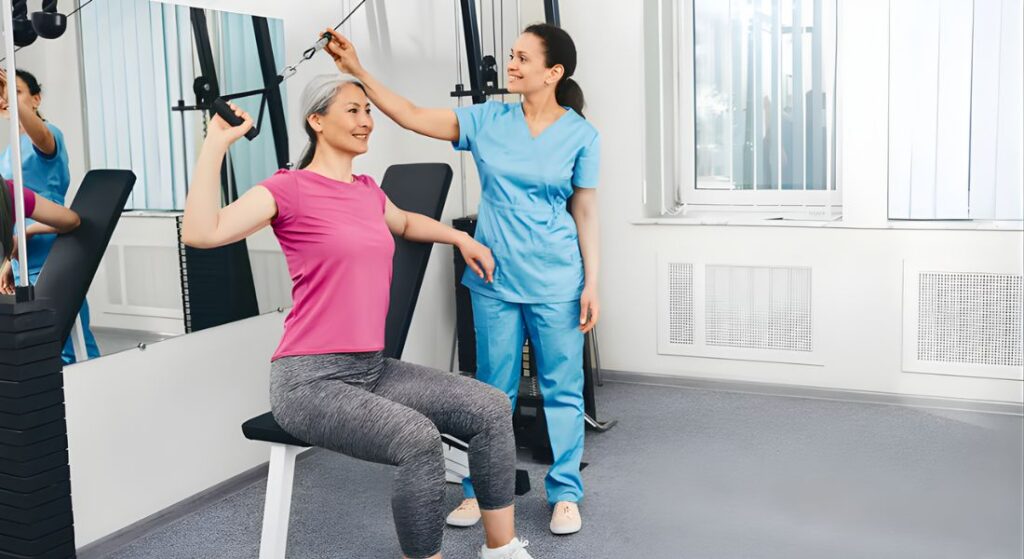
Professional guidance helps set realistic expectations around exercise after Emsculpt. Clear advice reduces uncertainty and anxiety. When patients understand what is safe, they feel more confident staying active. This support plays an important role in recovery.
At London Medical & Aesthetic Clinic, we tailor advice to each individual. Your fitness level, routine, and treatment area are considered during planning. This personalised approach supports comfort and consistency. It helps integrate treatment into everyday life.
Clear communication ensures patients remain active safely. Knowing when to modify or progress exercise provides reassurance. This guidance supports better outcomes and a positive treatment experience.
How Exercise and Emsculpt Work Together Long Term
Long-term results are strongest when treatment and lifestyle work in partnership. Emsculpt and exercise each contribute in different ways, and understanding this relationship helps set realistic, sustainable expectations.
Here’s how they work together over time:
1. Emsculpt Builds a Strong Muscular Foundation – We recognise that Emsculpt builds muscle efficiently through targeted stimulation. It creates changes that are difficult to achieve through exercise alone, forming a strong baseline of muscle strength.
2. Exercise Helps Maintain and Support These Gains – Ongoing physical activity supports muscle tone, endurance, and overall fitness. When exercise follows Emsculpt, it helps preserve and stabilise the improvements already achieved.
3. Movement Reinforces Visible Results – Healthy, consistent movement reinforces the structural changes initiated by treatment. This combination helps visible results feel more stable rather than short-lived.
4. Neither Approach Replaces the Other – We emphasise that Emsculpt and exercise are not substitutes. Emsculpt initiates change efficiently, while exercise helps sustain and integrate those changes into daily function.
5. Partnership Creates Sustainable Improvement – When used together, Emsculpt and exercise create balanced, long-term progress. Results feel stronger, more natural, and easier to maintain over time.
By combining targeted treatment with regular movement, long-term outcomes become more predictable and durable. Partnership, rather than reliance on a single approach, supports lasting improvement.
FAQs:
1. How soon can I exercise after an Emsculpt session?
Most people can resume light activity on the same day as Emsculpt, as gentle movement helps circulation and reduces stiffness. However, intense workouts targeting the treated muscles are usually best delayed for at least 24 to 48 hours. This short recovery window allows muscles to adapt to the supramaximal contractions without unnecessary strain.
2. Is it safe to work out on the same day as Emsculpt?
Yes, light exercise on the same day is generally safe, provided it does not heavily load the treated muscle group. Activities such as walking or gentle stretching are often comfortable and can ease post-treatment tightness. High-intensity training or heavy resistance work should be avoided initially to prevent excessive fatigue.
3. Why do my muscles feel sore after Emsculpt if there is no injury?
The soreness you feel after Emsculpt is similar to delayed onset muscle soreness experienced after exercise. It occurs because the muscles have been intensely activated, not because they are damaged. This sensation reflects fatigue and metabolic stress rather than tissue injury and usually settles within one to two days.
4. When can I return to strength training after Emsculpt?
Most patients resume strength training involving the treated area after 24 to 48 hours, depending on comfort. This allows time for muscles to recover from the intense contractions triggered during treatment. Returning gradually rather than jumping straight into heavy lifting helps maintain comfort and supports better adaptation.
5. Does cardio exercise interfere with Emsculpt results?
Cardio exercise does not interfere with Emsculpt results when performed sensibly. Low to moderate intensity cardio can usually be resumed quickly and may even support recovery by improving circulation. Higher-impact or demanding cardio should be reintroduced gradually if the treated muscles feel fatigued.
6. Should I avoid exercising on treatment days altogether?
You do not need to avoid all exercise on treatment days, but intensity should be adjusted. Some people prefer to rest or keep activity very light, while others continue gentle movement without issue. The key is avoiding overload of the treated muscles so they can respond effectively to the treatment.
7. Can exercising too much reduce the effectiveness of Emsculpt?
Exercising too aggressively too soon can increase discomfort and prolong muscle fatigue, but it does not enhance results. Muscle strengthening occurs during recovery, not constant effort. Allowing brief rest periods actually supports better adaptation and more consistent outcomes from Emsculpt.
8. How does my fitness level affect recovery after Emsculpt?
Fitter individuals often recover more quickly because their muscles are accustomed to workload, but even very active people benefit from moderation. Emsculpt places unique demands on muscles that differ from voluntary exercise. Less active individuals may feel more soreness initially, but this usually settles as the body adapts.
9. Are there any exercises I should temporarily avoid after Emsculpt?
Exercises that place maximal strain on the treated muscle group are best postponed for a short period. For example, intense core work after abdominal Emsculpt or heavy squats after glute treatment may feel uncomfortable initially. These adjustments are temporary and help protect comfort during early recovery.
10. How do exercise and Emsculpt work together long term?
Emsculpt and exercise complement each other rather than replace one another. Emsculpt builds muscle efficiently through targeted stimulation, while regular exercise helps maintain strength, endurance, and overall fitness. When combined thoughtfully, they support more stable, natural, and long-lasting results over time.
Final Thoughts: Balancing Recovery and Movement After Emsculpt
Emsculpt is designed to work alongside an active lifestyle, not against it, but timing and moderation matter. The supramaximal muscle contractions stimulate strength and tone effectively, while short recovery windows allow muscles to adapt and respond positively. When exercise is adjusted thoughtfully in the days around treatment, comfort is protected and results tend to feel more consistent, natural, and sustainable over time.
Understanding how treatment and training complement each other helps set realistic expectations and avoids unnecessary strain. When used as part of a balanced routine, Emsculpt can integrate smoothly into everyday life while supporting long-term strength and definition. If you’re thinking about emsculpt treatment in London, you can get in touch with us at the London Medical & Aesthetic Clinic.
Reference:
1. Kinney, B.M. and Lozanova, P. (2018) ‘High intensity focused electromagnetic therapy evaluated by magnetic resonance imaging: safety and efficacy study of a dual tissue effect based non‑invasive abdominal body shaping’, Lasers in Surgery and Medicine, 51(1), pp. 40–46. https://pubmed.ncbi.nlm.nih.gov/30302767/
2. Swanson, E. (2022) A systematic review of electromagnetic treatments including high‑intensity focused electromagnetic (HIFEM) muscle stimulation, Journal of Cosmetic Dermatology, available at: PMC9869942 (accessed January 2026). https://pmc.ncbi.nlm.nih.gov/articles/PMC9869942/
3. Swanson, E. (2022) A systematic review of electromagnetic treatments including high‑intensity focused electromagnetic (HIFEM) muscle stimulation, Journal of Cosmetic Dermatology. https://pmc.ncbi.nlm.nih.gov/articles/PMC9869942/
4. Kim, J. et al. (2023) Effects of 8‑week electromyostimulation training on upper‑limb muscle activity and respiratory gas analysis in athletes with disabilities, International Journal of Environmental Research and Public Health, 20(1), 299. https://www.mdpi.com/1660-4601/20/1/299
5. Shu, M.‑Y., Oh, H.S., Jo, Y.‑J. et al. (2025) The impact of electromyostimulation on strength, recovery, and performance in soccer athletes: a systematic review, Applied Sciences, 15, 7950. https://www.mdpi.com/2076-3417/15/14/7950