



Unlike traditional fillers, Sculptra doesn’t just fill depressions temporarily. Instead, it encourages your skin to rebuild its own structural support over time, which can be particularly effective for certain types of acne scars. In this guide, I’ll walk you through what Sculptra can achieve, which scars it works best for, how results develop, and how it compares with other treatments. If you’ve been exploring ways to improve long-standing scarring, this will help you understand whether Sculptra could be the right option for you.
Understanding Acne Scarring First
Before looking at how Sculptra works, it helps to understand why acne scarring happens in the first place and why certain scars respond better to collagen-stimulating treatments.
Types of Depressed Acne Scars
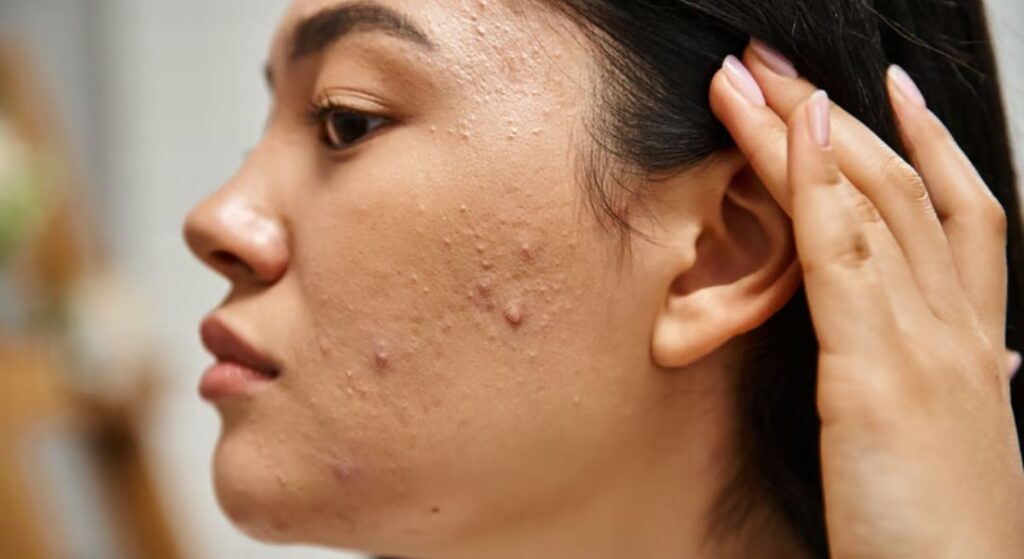
Acne scars are caused by inflammation that damages collagen during breakouts. When the tissue doesn’t heal evenly, it creates indentations in the skin.
The most common types of depressed scars include:
1. Boxcar scars – Shallow depressions with sharp edges. Often found on the cheeks and temples.
2. Rolling scars – Wave-like indentations that cause uneven texture across larger areas.
3. Ice-pick scars – Deep, narrow indentations that extend into the dermis. These respond less effectively to volumising treatments alone.
4. Atrophic (general volume loss) scars – A more diffuse thinning of the skin, often seen after long-term inflammatory acne.
Understanding your scar type helps determine whether Sculptra is suitable or whether a combination treatment will work better.
Why Sculptra Helps Depressed Acne Scars
Sculptra contains poly-L-lactic acid (PLLA), a biocompatible collagen-stimulating compound that works deep within the skin. Unlike hyaluronic acid fillers that simply “fill” the space and give an instant but temporary lift, Sculptra encourages your skin to rebuild its own structural support. Over the following weeks and months, it gradually restores volume, strengthens the dermal framework, and softens the look of depressed scars in a more natural, long-lasting way.
How Sculptra works in acne scars:
Collagen stimulation: Sculptra activates fibroblasts the skin’s natural collagen-producing cells. This helps rebuild the supportive matrix underneath the scar, allowing the depressed area to lift from the inside out.
Gradual volume restoration: As new collagen fibres develop, the indentations caused by rolling or boxcar scars start to look shallower. The skin gains thickness and resilience, which reduces shadowing and makes scars blend more smoothly into the surrounding skin.
Texture improvement: Because collagen improves firmness and elasticity, Sculptra doesn’t just lift the scar it also enhances the overall texture. Skin begins to feel smoother, more even, and less “dented” when viewed under different lighting.
Long-lasting structural change: Improvements continue to develop for 9–12 months as collagen matures. Many patients enjoy results that last more than two years, making Sculptra one of the longest-lasting injectable options for acne scarring.
Which Acne Scars Respond Best to Sculptra?
Sculptra works best for acne scars that are caused by volume loss or deeper tissue tethering. Rolling scars usually respond extremely well because Sculptra rebuilds lost support and softens the uneven texture. Boxcar scars also improve, especially when Sculptra is paired with subcision to release the scar bands. It’s equally beneficial for broader atrophic scarring or cheek hollowing, where long-term collagen stimulation can restore structure and noticeably smooth the skin.
However, Sculptra is less effective for very narrow or deep scars like ice-pick scars. These typically need more targeted corrective treatments such as punch excision, TCA CROSS, or laser resurfacing. For most people, dermatologists combine Sculptra with other procedures to achieve the most balanced and visible improvement.
Why Sculptra Works Particularly Well for Scarred Skin
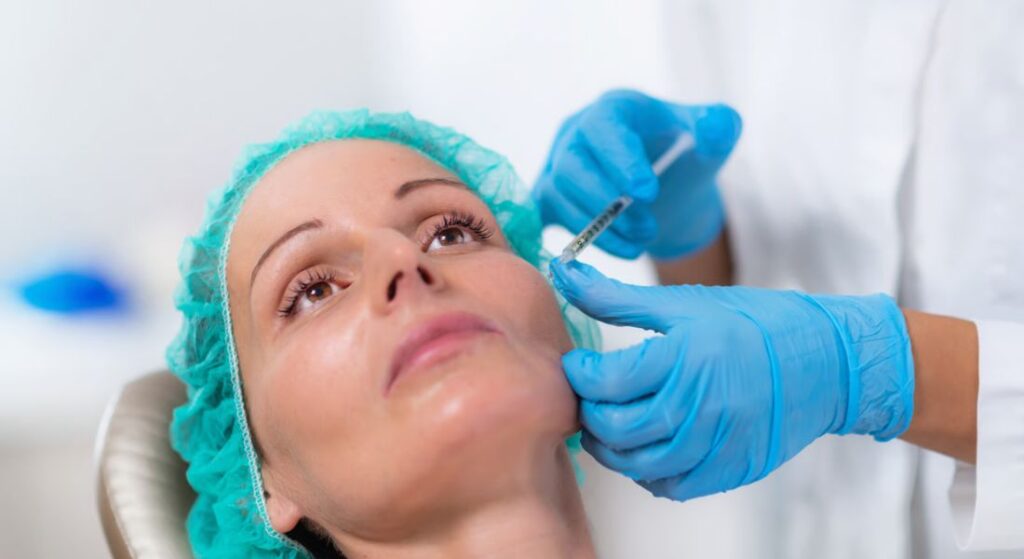
Acne scars usually involve two issues: tethering, where fibrous bands pull the skin down, and loss of collagen, which leaves the area thin, hollow and unable to lift itself. While procedures like subcision release the tethering, Sculptra focuses on the second problem restoring lost structural support. By stimulating your own collagen production, it strengthens the deeper dermal layers and helps depressed scars rise gradually and naturally.
Benefits of Sculptra for Scarred Skin:
1. Builds thickness from the inside: Sculptra encourages new collagen to grow beneath the scar, adding density and strength to thinned areas. Over time, the depressed region becomes more level with the surrounding skin, reducing dips and shadows.
2. Improves skin quality globally: Because collagen production isn’t limited to the injection spot, Sculptra helps improve the overall texture and firmness of the treated region. Many people notice smoother skin, fewer creases, and a more even surface around the scars.
3. Gradual and natural improvement: Results develop over several months as new collagen forms and matures. This slow progression gives a subtle, refined enhancement rather than an instant, filled look ideal for those who want discreet but meaningful results.
4. Long-term collagen support: Sculptra promotes true collagen regeneration, not just temporary volume. While traditional fillers typically last around 6–12 months, Sculptra’s effects continue improving for 9–12 months and can last two years or more, offering longer-lasting structural change.
How Treatment Works Step by Step
Knowing the process in advance helps you feel calm, informed, and confident about your results.
1. Consultation and mapping: Your practitioner carefully examines your scar patterns, skin thickness, and overall skin quality. They’ll identify which scars are tethered, which are volume-deficient, and how much collagen support is needed. This mapping determines whether Sculptra alone is appropriate or whether a combined approach (such as subcision, microneedling, or laser) will give the best outcome.
2. Subcision (if needed): If your scars are being pulled down by fibrous bands, subcision is carried out first. Using a fine needle or cannula, the practitioner gently breaks these bands to free the trapped skin. This creates a small space for Sculptra to sit more evenly and ensures the new collagen can rebuild properly, giving a smoother, more lifted appearance.
3. Sculptra injections: Once the area is prepared, Sculptra is injected in a diluted form to encourage wide, even distribution. A cannula or needle may be used depending on the scar’s depth and location. The goal is to place the product just beneath the scarred areas so that your body can respond by generating fresh collagen exactly where it’s needed.
4. Massage protocol: After treatment, you’ll be shown a simple massage routine to perform at home. This helps the Sculptra settle evenly, prevents the formation of small nodules, and supports smooth collagen development. The massage only takes a few minutes a day but plays an important role in the final result.
5. Gradual improvement: Sculptra doesn’t work instantly. Collagen production starts within a few weeks and continues to build over several months. The treated areas slowly become firmer, thicker, and more even, creating a natural, long-lasting improvement.
When You’ll See Results
Sculptra is intentionally designed to work gradually. Because it stimulates your own collagen rather than adding instant volume, the improvements appear naturally over time, without the sudden “filled” look that some treatments create.
Timeline:
Week 1–4 – Initial swelling settles during the first few days, revealing your baseline again. Behind the scenes, Sculptra begins activating fibroblasts the cells responsible for collagen production. This is the foundation stage where your skin starts responding at a biological level.
Month 2–3 – This is when most people notice the first visible changes. The treated areas begin to look slightly fuller and smoother, and shallow depressions start blending better with the surrounding skin. Early improvements tend to be subtle but encouraging.
Month 4–6 – Collagen fibres become thicker and more structured. Skin texture looks noticeably smoother, and deep or long-standing scars often start appearing softer and less shadowed. This is the phase where the majority of people feel a clear and confident improvement.
Month 6–12 – Collagen continues to mature and strengthen. This is when you experience the peak outcome the maximum lifting, smoothing, and firmness. Results during this stage are typically the most impressive and stable.
Ideal Candidates for Sculptra Acne Scar Treatment
You’re an ideal candidate for Sculptra if you have rolling or boxcar scars, especially if they appear more noticeable under angled light. It’s also a strong choice for people with overall thinning, uneven texture, or volume loss in the cheeks. Sculptra suits those who prefer gradual, natural-looking improvement and long-lasting results, and who are comfortable committing to multiple treatment sessions for the best outcome.
Sculptra may not be suitable if you have active acne breakouts, very deep ice-pick scars as your only concern, or certain autoimmune or inflammatory conditions that can affect healing. It also isn’t the right treatment for anyone wanting instant results. Final suitability is always determined during a professional consultation, where your skin type and scar patterns are assessed in detail.
Sculptra vs Other Acne Scar Treatments
Different treatments target different aspects of scarring. Many people benefit most from a combination approach.
Sculptra vs Fillers:
Sculptra and hyaluronic acid fillers work differently for acne scars. Fillers provide immediate improvement and are great for isolated scars, but their results are shorter-lasting and can look obvious if overused. Sculptra, on the other hand, delivers slow, subtle changes that are ideal for widespread scarring. It works by stimulating long-term collagen rebuilding and typically gives a more natural, blended finish across the treated areas.
Sculptra vs Microneedling
Microneedling is best for improving superficial texture, fine lines, and mild acne scarring, though it usually requires multiple sessions. Sculptra works much deeper in the skin, rebuilding lost volume and stimulating collagen, making it more effective for significant depressions or broader atrophic scarring that need structural support rather than surface-level refinement.
Sculptra vs Laser Resurfacing
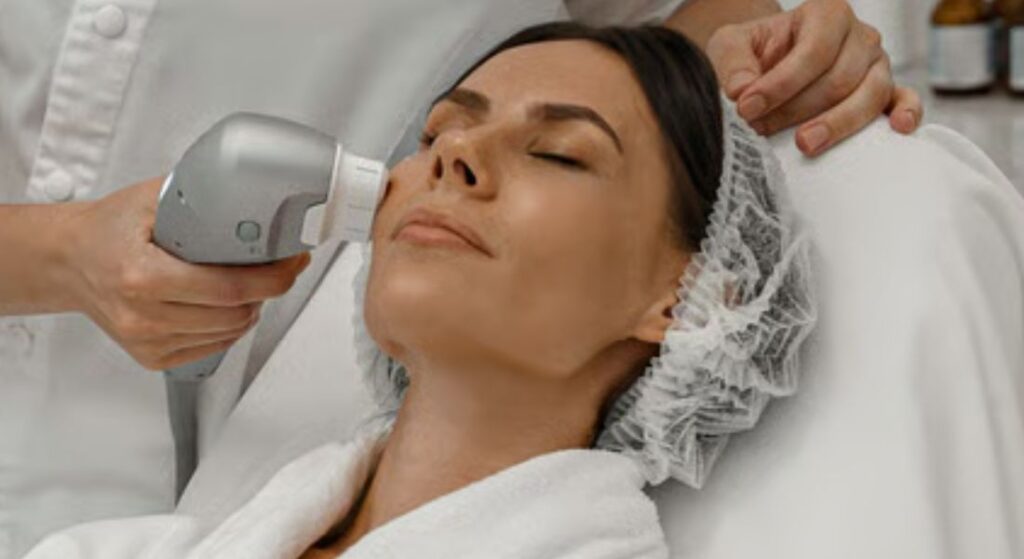
Laser resurfacing is effective for smoothing surface irregularities, improving pigmentation from past acne, and treating shallow scars, while Sculptra works deeper by building structural support and lifting widespread indented scars. For moderate to severe scarring, combining both treatments often provides the most noticeable and balanced improvement.
How Many Sessions You’ll Need
The number of Sculptra sessions you’ll need depends entirely on the depth, type, and distribution of your acne scars. During your consultation, your practitioner will examine how much collagen loss has occurred, whether the scars are tethered, and how your skin typically heals. Based on this assessment, they’ll create a personalised plan that targets both the visible scars and the underlying structural support your skin needs for long-term improvement.
In most cases, mild scarring responds well to around two sessions, while moderate scarring usually needs three to four for noticeable smoothing. Severe atrophic scarring, which involves significant volume loss, often requires four or more sessions along with combination treatments such as subcision or laser for the best outcome. Treatments are generally spaced 4 to 8 weeks apart to ensure your skin has enough time to build collagen gradually and consistently between sessions.
What Results Look Like in Real Life
In real life, patients usually notice that their skin gradually becomes smoother, with softer contours and fewer visible indentations. The overall texture looks more even, and the skin starts to feel thicker and healthier as new collagen forms. Many people also find that their skin tone improves, making old scar areas less noticeable in both natural and harsh lighting.
As the scars soften and the surface evens out, the need for heavy concealer often reduces because the skin already looks more balanced on its own. The best part is that Sculptra works slowly and subtly, so the results never look artificial. Instead, people around you simply feel your skin looks fresher and healthier without assuming you’ve had any specific treatment done.
Downtime and Recovery
One of the biggest advantages of Sculptra is that it involves very little downtime. After treatment, most people experience only mild swelling for 24–48 hours, slight bruising in some cases, and a bit of tenderness when touching the treated areas. Your practitioner may also give you simple massage instructions to help the product distribute evenly.
Because the side effects are minimal and short-lived, most people can return to their normal routine immediately after the session. There’s no need for time off work or major restrictions, making Sculptra an easy, convenient option for those who want effective acne scar improvement without disrupting their schedule.
Risks and Side Effects
Sculptra is generally safe when administered by experienced injectors, but like any cosmetic treatment, it carries some risks. Common side effects include mild swelling, bruising, and temporary firmness in the treated areas. In rare cases, small nodules can form under the skin, though these are usually preventable when proper injection techniques are used.
The best way to minimise risks is by choosing a qualified and skilled professional. An experienced injector will assess your skin, use the correct placement and technique, and provide clear aftercare instructions, ensuring the safest and most effective results possible.
How Sculptra Fits Into a Complete Acne Scar Plan
Sculptra works best when included in a structured acne scar treatment programme that addresses all layers of the skin. On its own, it stimulates collagen and restores volume, but combining it with other treatments can target different scar types and textures for a more complete result.
A multi-layered plan might include subcision to release tethered scars, laser or radiofrequency treatments to improve surface texture, microneedling for fine refinement, and supportive skincare to aid healing. By addressing the skin at multiple levels, this holistic approach delivers the most noticeable and long-lasting improvement.
FAQs:
1. How does Sculptra work for acne scars?
Sculptra works by stimulating your skin’s natural collagen production rather than simply filling in scars temporarily. When injected, the poly-L-lactic acid in Sculptra activates fibroblasts, which are the cells responsible for generating collagen. Over time, this collagen rebuilds the underlying structural support in the skin, gradually lifting depressions and smoothing uneven textures. Unlike traditional fillers that give instant but short-lived results, Sculptra creates slow, natural-looking improvements that continue to develop for months after treatment.
2. Which types of acne scars respond best to Sculptra?
Sculptra is most effective for depressed scars caused by volume loss, such as rolling scars and boxcar scars. Rolling scars, with their wave-like texture, tend to respond exceptionally well because Sculptra rebuilds the support beneath the surface. Boxcar scars also improve, particularly when combined with subcision to release tethered fibrous bands. Ice-pick scars, which are very narrow and deep, generally respond less effectively and often require additional targeted procedures such as punch excision or laser resurfacing.
3. How many Sculptra sessions are typically required?
The number of sessions depends on the severity and type of scarring. Mild acne scarring usually responds well to around two sessions, whereas moderate scarring often requires three to four treatments for noticeable improvement. Severe atrophic scarring, where significant volume loss has occurred, typically needs four or more sessions, often in combination with other treatments like subcision or laser therapy. Treatments are generally spaced four to eight weeks apart, allowing your skin to gradually rebuild collagen between sessions.
4. When can I expect to see results after Sculptra?
Results from Sculptra develop gradually and naturally. In the first few weeks, any swelling from the procedure settles, and fibroblasts begin stimulating collagen production. Around two to three months, subtle improvements become noticeable, with treated areas appearing slightly fuller and smoother. Between four and six months, collagen fibers thicken and skin texture improves more visibly, softening deeper scars. The final results usually peak between nine and twelve months, providing long-lasting and natural-looking skin improvement.
5. Is Sculptra suitable for all skin types?
Sculptra is suitable for most skin types, provided the individual does not have active acne breakouts, certain autoimmune or inflammatory conditions, or very deep ice-pick scars as their primary concern. During a professional consultation, a practitioner will assess skin type, scar pattern, and healing tendencies to determine whether Sculptra alone is appropriate or if it should be combined with other treatments. This ensures that the treatment is safe, effective, and tailored to your specific needs.
6. How is Sculptra different from other acne scar treatments?
Unlike hyaluronic acid fillers, which provide immediate but temporary volume, Sculptra gradually stimulates collagen production, offering a more natural and long-lasting improvement. Compared with microneedling, which primarily improves superficial texture and fine lines, Sculptra works deeper in the dermis to restore lost volume and structural support. Laser resurfacing smooths surface irregularities and pigmentation, but Sculptra addresses the deeper tissue, lifting and strengthening depressed scars. Many patients achieve the best results by combining Sculptra with these complementary treatments.
7. What does the Sculptra treatment process involve?
The treatment typically begins with a consultation to examine scar types and skin quality, mapping areas that require collagen support. If fibrous bands are tethering the skin, subcision may be performed first to free the scarred tissue. Sculptra is then injected in a diluted form beneath the affected areas to stimulate collagen evenly. Patients are often instructed to perform a gentle massage routine at home to ensure the product distributes properly. Improvements occur gradually over several months as new collagen develops and matures.
8. Are there any risks or side effects?
Sculptra is generally safe when administered by a qualified practitioner, though mild side effects such as temporary swelling, bruising, or firmness at injection sites can occur. Rarely, small nodules may form under the skin, but these are usually preventable with proper injection technique and adherence to aftercare instructions. Choosing an experienced injector significantly reduces the risk of complications, helping to ensure smooth, natural, and long-lasting results.
9. Is there downtime after Sculptra treatment?
One of the advantages of Sculptra is minimal downtime. Most patients experience only mild swelling or bruising for a day or two, and slight tenderness in the treated areas may occur. Since the procedure does not require significant recovery time, people can resume normal activities almost immediately. Following the post-treatment massage protocol and standard aftercare guidance helps maximise results while keeping downtime to a minimum.
10. Can Sculptra be combined with other acne scar treatments?
Yes, combining Sculptra with other treatments often provides the most effective results. Procedures like subcision, laser resurfacing, radiofrequency, or microneedling can address specific aspects of scarring that Sculptra alone may not fully correct. For example, subcision releases tethered scars, laser treatments improve surface texture and pigmentation, and microneedling refines finer irregularities. By integrating Sculptra into a multi-layered approach, patients often experience the most balanced, long-lasting, and natural-looking improvement across all scar types.
Final Thought: Sculptra for Effective Acne Scar Treatment
Sculptra offers a gradual, natural, and long-lasting approach to improving depressed acne scars by stimulating your skin’s own collagen and restoring structural support. It works particularly well for rolling and boxcar scars, and when combined with complementary treatments, it can address a range of scar types and textures for a more balanced result. If you’re considering Sculptra treatment in London, get in touch with us at the London Medical & Aesthetic Clinic to discuss a personalised plan that targets your acne scars effectively.
References:
1. Rotemberg, V. & Falto‑Aizpurua, L. A. (2025) ‘Poly‑L‑Lactic Acid in Aesthetic Dermatology: A Decade Beyond Volume Restoration Toward Regenerative Biostimulation’, Aesthetic Surgery Journal, 45(10), pp. 1065–1082. https://academic.oup.com/asj/article-abstract/45/10/1065/8171359
2. Lee, K.‑W. et al. (2024) ‘Poly‑d,l‑lactic Acid (PDLLA) Application in Dermatology’, Polymers, 16(18), 2583. https://www.mdpi.com/2073-4360/16/18/2583
3. Rho, N.-K., Kim, H.-J., Kim, H.-S. & Lee, W. (2024) ‘Needle-Free Jet Injection of Poly‑(Lactic Acid) for Atrophic Acne Scars: Literature Review and Report of Clinical Cases’, Journal of Clinical Medicine, 13(2), 440. https://www.mdpi.com/2077-0383/13/2/440
4. Sapra, S., Stewart, J. A., Mraud, K. & Schupp, R. (2015) ‘A Canadian study of the use of poly‑L‑lactic acid dermal implant for the treatment of hill and valley acne scarring’, Dermatologic Surgery, 41(5), 587–594. https://pubmed.ncbi.nlm.nih.gov/25915626/
5. Zhou, C., Chen, W., Zhang, L. et al. (2025) ‘Poly‑L‑Lactic Acid Combined With CO₂ Fractional Laser for the Treatment of Acne Scars’, Journal of Cosmetic Dermatology. https://pmc.ncbi.nlm.nih.gov/articles/PMC12143118/