


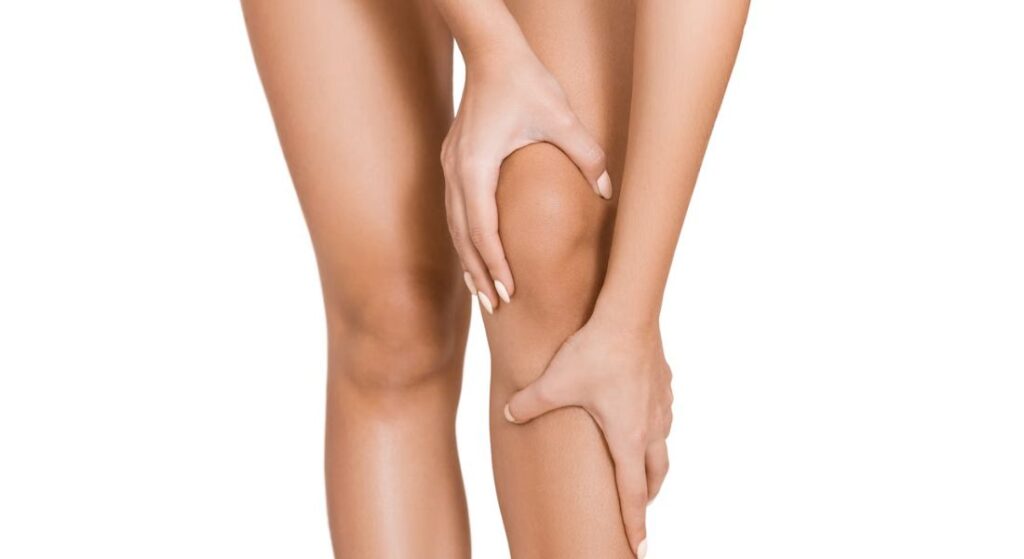
If you’ve ever looked at your knees and felt frustrated by sagging or crepey skin, you’re certainly not alone. The knee area is one of the first parts of the body to show signs of ageing because the skin here is naturally thin, constantly bending and exposed to movement. Even if the rest of your legs look toned, the skin around the knees can start to loosen, wrinkle or lose elasticity over time. Many people find this area difficult to improve, even with exercise, skincare or weight changes.
That’s where Sculptra comes in. Known for its collagen-stimulating properties, Sculptra has become a popular treatment for areas that need deeper structural support and the knees are one of the best examples. Instead of tightening the skin superficially, Sculptra works from within, encouraging your body to rebuild collagen and improve firmness gradually. In this guide, I’ll take you through how Sculptra helps knee skin, who it’s suitable for, how many sessions you’ll need and what kind of results you can expect.
Why the Knees Lose Firmness Over Time
The skin around your knees is subjected to constant stress. Every time you walk, bend, or kneel, the skin stretches, folds, and compresses. Over the years, this repetitive motion, combined with natural ageing, reduces the skin’s ability to bounce back. Collagen and elastin the proteins responsible for firmness and elasticity decline with age, leaving the skin thinner, looser, and more prone to creasing.
Key reasons the knee area ages faster
1. Natural collagen decline: As we age, collagen production slows down. The supportive framework under the skin weakens, and the skin becomes thinner and less resilient. This contributes directly to the sagging and crepey appearance around the knees.
2. Constant movement: Your knees bend thousands of times every day. This repeated folding stretches the skin and creates fine lines, wrinkles, and deeper creases over time, which the aging skin struggles to recover from.
3. Sun exposure: The front of the knees is often exposed to UV rays, especially in warmer months. Sun damage breaks down collagen and elastin fibers, accelerating laxity and contributing to premature ageing in this area.
4. Weight fluctuations: Gaining and losing weight repeatedly stretches the skin, weakening its natural support. This can make the knees appear loose or saggy, even in individuals who maintain a healthy weight overall.
5. Genetics: Some people are genetically predisposed to looser, thinner skin in certain areas. Even with good skincare and lifestyle habits, knee skin may still show signs of crepiness earlier than other areas of the body.
How Sculptra Works for Knee Skin Tightening
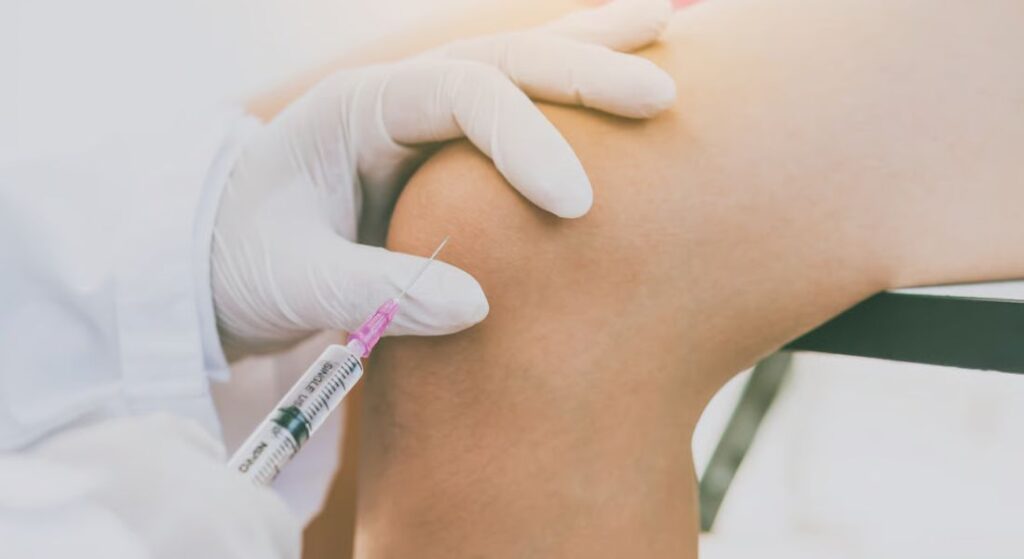
Sculptra contains poly-L-lactic acid (PLLA), a biostimulatory filler that encourages your body to produce new collagen gradually. Unlike hyaluronic acid fillers, which provide immediate volume, Sculptra works from the inside out to rebuild the skin’s internal structure. Over time, this approach strengthens, firms, and revitalises the skin naturally.
Why Sculptra Suits the Knee Area
1. Deep collagen rebuilding: Sculptra stimulates fibroblasts in the dermis to generate fresh collagen. This thickens the skin from within, giving crepey, sagging knee skin much-needed structural support.
2. Improved elasticity: As collagen levels rise, the skin becomes firmer and more resilient. This helps it resist the constant folding, bending, and stretching that naturally occurs around the knees.
3. Natural results: Because Sculptra works gradually, improvements appear slowly over several weeks and months. This ensures a subtle, refined tightening effect without the risk of an artificial or “overfilled” look.
4. Long-lasting change: Collagen regeneration continues for several months after treatment, with results that can last 2–3 years. Occasional top-up sessions help maintain firmness over the long term.
The knees don’t require added volume they need strengthened, resilient collagen to restore smoothness and firmness. By rebuilding the skin’s foundation, Sculptra delivers natural, long-lasting improvement exactly where it’s needed.
What Sculptra Can Improve Around the Knees
Sculptra is ideal for addressing early to moderate knee laxity, focusing on structural improvement rather than fat reduction. It can smooth crepey texture, reduce mild to moderate sagging above the kneecap, and restore firmness to areas where the skin has become thin or fragile.
The treatment also helps improve fine lines and wrinkling, which are often more noticeable when bending the knee or sitting. Sculptra works best when laxity is the primary concern, providing gradual, natural-looking enhancement without adding volume to the area.
Results: What You Can Expect Over Time
One of the key things to know about Sculptra is that results develop gradually, as collagen builds slowly over time. In the first 1–4 weeks, any swelling settles while the underlying collagen-stimulating process begins. Between months 1–3, the skin starts to feel firmer and texture improves subtly. By months 3–6, visible tightening becomes noticeable and crepiness begins to diminish, while months 6–12 bring the maximum collagen production, leaving the skin smoother, stronger, and more youthful.
Results from Sculptra typically last 2–3 years, although this can vary depending on factors such as lifestyle, genetics, and overall skin quality. For longer-lasting effects, a yearly maintenance session is often recommended to sustain the improvements and keep the skin looking naturally lifted and rejuvenated.
How Many Sculptra Treatments Do You Need for Knees?

Most patients need multiple Sculptra sessions for the knees, as this area requires cumulative collagen stimulation to achieve noticeable tightening. The exact number of treatments depends on the severity of laxity and the desired results. Mild laxity generally responds well to around two sessions, while moderate laxity typically requires three to four sessions.
For significant crepiness, four or more sessions may be needed, often combined with other treatments for optimal results. Sessions are usually spaced 4–8 weeks apart, allowing collagen to build gradually. Your practitioner will create a personalised plan based on your skin thickness, degree of laxity, and overall treatment goals to ensure the best outcome.
What Happens During a Sculptra Knee Treatment?
Sculptra knee treatments are designed to be simple, comfortable, and efficient. Understanding each step can help you feel confident and prepared before your appointment.
Step-by-Step Overview
1. Consultation and assessment: Your practitioner will carefully examine the skin around your knees, assessing its texture, thickness, and degree of laxity. They’ll identify the areas that would benefit most from collagen support and discuss whether Sculptra alone is sufficient or if combination treatments might enhance results.
2. Numbing: To ensure comfort, a topical numbing cream is usually applied to the knees before injections. This helps reduce any sensation of discomfort during the procedure, making it a relaxed experience.
3. Injection process: Sculptra is prepared in a diluted form and carefully injected into the deeper layers of the skin using a cannula or fine needle. This allows the product to be evenly distributed across the treatment area, targeting regions where collagen rebuilding is needed most.
4. Massage: Immediately after the treatment, you’ll be shown a simple at-home massage routine. Massaging the knees helps the Sculptra integrate smoothly, preventing lumps and ensuring that collagen stimulation occurs evenly across the skin.
5. Return to normal activities: One of the advantages of Sculptra is minimal downtime. Most people can resume regular activities right after treatment. Mild swelling or redness may occur but usually resolves within a few days.
Is Sculptra for Knees Suitable for You?
Many people are good candidates for Sculptra for the knees, but suitability needs to be carefully assessed. Ideal candidates typically have mild to moderate knee laxity, crepey skin above the knee, or noticeable looseness when sitting or bending. The treatment is best for those who want gradual, natural improvement, prefer long-lasting results over temporary fixes, and are in good general health.
Sculptra may not be suitable for individuals seeking instant tightening, those with severe sagging that requires surgical intervention, or anyone with active skin infections or inflammation. It is also not recommended during pregnancy or breastfeeding, or for those who prefer results without multiple sessions. During your consultation, your practitioner will determine whether Sculptra alone or a combination approach is the most effective plan for your goals.
How Sculptra Compares With Other Knee Tightening Treatments
Sculptra is not the only treatment for knee laxity, but it offers unique advantages.
Sculptra vs Dermal Fillers
Dermal fillers provide instant volume and work well for isolated hollows, but their results are shorter-lasting. Sculptra, on the other hand, improves collagen quality, making it better suited for addressing crepiness and laxity in the knees. It delivers gradual, long-term results and, for most knee concerns, offers a more natural-looking outcome compared with traditional fillers.
Sculptra vs Radiofrequency Skin Tightening
Radiofrequency (RF) treatments tighten the skin surface, improve mild laxity, and offer quicker visible results, but they mainly target superficial layers. Sculptra works deeper, addressing structural issues and crepiness while producing longer-lasting improvements. For the best overall outcome, a combination of RF and Sculptra often provides complementary benefits, tackling both surface and deeper skin concerns.
Sculptra vs Laser Skin Treatments
Laser treatments help reduce superficial wrinkles, smooth the skin surface, and improve pigmentation and overall texture. Sculptra works deeper in the dermis, rebuilding structural support and enhancing skin quality from within. For comprehensive rejuvenation, laser and Sculptra are often combined, addressing both surface-level concerns and deeper structural issues for optimal results.
Sculptra vs Collagen Supplements
Collagen supplements can improve skin hydration but are not strong enough to meaningfully reverse knee laxity. Unlike dietary collagen, Sculptra stimulates structural collagen directly in the areas that need support, producing firmer, longer-lasting results. While supplements may complement Sculptra, they cannot replace its targeted, structural effects, which are essential for addressing crepiness and sagging in the knees.
Does Sculptra Reduce Fat Around the Knees?

Sculptra does not reduce fat and is not a fat-dissolving treatment. Its main benefits are tightening the skin, improving texture, rebuilding collagen, and firming areas affected by laxity. By focusing on structural support, Sculptra helps the skin look smoother and more youthful, but it does not target fat deposits.
Sculptra cannot remove fat, reduce swelling, or change the overall shape of the leg. If excess fat around the knees is the primary concern, your practitioner may recommend combining Sculptra with other treatments to achieve the best results.
Combining Sculptra With Other Treatments for Stronger Results
While Sculptra alone can deliver significant improvements in knee skin firmness, many clinics achieve enhanced results by combining it with complementary treatments. This approach is particularly effective for patients with moderate to severe skin laxity or those seeking faster, more noticeable improvements.
Common Combinations
Sculptra + RF Microneedling: RF microneedling targets the upper layers of the skin, tightening the surface and stimulating collagen closer to the dermis. When combined with Sculptra’s deeper collagen rebuilding, this creates a layered effect improving both skin texture and structural support.
Sculptra + Laser Resurfacing: Laser treatments smooth rough or uneven skin, reduce pigmentation, and improve surface tone. While the laser addresses texture, Sculptra works beneath the surface to restore volume and firmness, resulting in more comprehensive rejuvenation.
Sculptra + Skin Boosters: Skin boosters deliver hyaluronic acid or other hydrating agents directly into the dermis. They improve moisture retention, elasticity, and glow, while Sculptra rebuilds the underlying collagen framework giving knees firmer, plumper, and more hydrated skin.
Sculptra + Threads (in selected cases): For patients with significant sagging, absorbable threads can provide a mechanical lift. When combined with Sculptra, the threads reposition tissue while the filler strengthens the underlying collagen support, creating a more long-lasting and natural-looking improvement.
Downtime, Aftercare and Recovery
The knee area generally recovers quickly after Sculptra injections, with most people experiencing only mild swelling for 24–48 hours, possible bruising, and some tenderness when bending. There are no major movement restrictions, and most patients can return to their normal routine immediately.
Aftercare is important to ensure optimal results. You’ll be advised to massage the treated area regularly for the first few days, keep the skin well-hydrated to support collagen production, and temporarily avoid strenuous leg workouts to minimise swelling. Following these simple steps helps the skin respond better to treatment and promotes smoother, firmer results over time.
How Natural Do Sculptra Knee Results Look?
Sculptra knee results look extremely natural, which is one of the treatment’s biggest advantages. The improvements appear gradually as new collagen forms, so there are no sudden changes in volume. Instead, the skin slowly becomes firmer and smoother, enhancing the overall appearance without looking “filled” or artificial.
Because the changes happen subtly over several months, friends and family may notice that your legs look healthier and more toned, but they won’t be able to pinpoint a specific treatment. This gradual transformation ensures a natural, refreshed look that blends seamlessly with your body’s contours.
Before and After: What Improvements Look Like
Most patients notice significant improvements after Sculptra, including less crepey skin, smoother texture when the knee bends, and improved firmness above the kneecap. These changes help the legs appear more youthful and toned, enhancing their overall appearance.
The gradual, cumulative effect of collagen stimulation means the area looks naturally refreshed rather than dramatically altered. Many people also experience greater confidence when wearing shorts or skirts, enjoying the subtle but noticeable improvements in skin quality and firmness.
FAQs:
1. What is Sculptra and how does it work for the knees?
Sculptra is a biostimulatory injectable containing poly-L-lactic acid (PLLA) that works by stimulating your body’s own collagen production. Unlike conventional dermal fillers that add immediate volume, Sculptra gradually strengthens and firms the skin from within. When used on the knees, it targets areas of sagging or crepey skin, rebuilding structural support over several months. This process improves skin elasticity, reduces fine lines, and helps the knees look smoother and more youthful without creating an artificial appearance.
2. Who is a suitable candidate for Sculptra knee treatment?
Ideal candidates are individuals with mild to moderate knee laxity or crepey skin, particularly above the kneecap. It suits those seeking gradual, natural improvement rather than instant results, and who are in good overall health. Patients with severe sagging may require surgical interventions, while Sculptra is not recommended for individuals with active skin infections, inflammation, or those who are pregnant or breastfeeding. A personalised consultation is essential to determine if Sculptra alone or in combination with other treatments will provide the best outcome.
3. How many Sculptra sessions are needed for the knees?
The number of sessions varies depending on the degree of laxity and desired results. Mild sagging generally responds well to two sessions, while moderate laxity often requires three to four treatments. In cases of significant crepiness, four or more sessions may be necessary, sometimes alongside complementary treatments for optimal effect. Sessions are usually spaced four to eight weeks apart, allowing collagen to build gradually and produce natural-looking, long-lasting results.
4. How long does it take to see results from Sculptra on the knees?
Results from Sculptra appear gradually over several months. In the first few weeks, any swelling resolves, and the collagen-stimulating process begins. Subtle improvements in firmness and texture become noticeable within one to three months. By three to six months, visible tightening occurs, and the skin starts to look smoother and more resilient. Maximum results are generally achieved between six and twelve months, as collagen production reaches its peak. These improvements can last two to three years, with periodic maintenance sessions recommended for long-term effects.
5. What happens during a Sculptra knee treatment session?
During the treatment, your practitioner first examines the knees to assess skin laxity, texture, and thickness. A topical numbing cream is applied to ensure comfort throughout the procedure. Sculptra is then injected in a diluted form into the deeper layers of the skin using a fine needle or cannula. After the injections, a short massage is performed to help the product integrate evenly and stimulate collagen production consistently. The procedure is relatively quick, and most patients experience minimal downtime, allowing them to resume normal activities immediately.
6. Are there any side effects or risks associated with Sculptra for the knees?
Sculptra is generally safe when administered by a qualified practitioner. Mild swelling, redness, bruising, or tenderness at the injection site may occur but usually resolves within a few days. Rarely, small nodules can form if the product is not massaged correctly or injected unevenly. Following post-treatment care instructions, such as massaging the area and avoiding strenuous leg workouts initially, helps reduce the likelihood of complications and ensures smoother, more even results.
7. Can Sculptra remove fat around the knees?
Sculptra is not designed to reduce fat or alter the shape of the legs. Its primary function is to improve structural support by stimulating collagen production, which firms and smooths sagging or crepey skin. If excess fat is a concern, other procedures, such as fat-dissolving injections or liposuction, may need to be considered alongside Sculptra for a comprehensive approach to knee rejuvenation.
8. How does Sculptra compare to other knee tightening treatments?
Compared to dermal fillers, Sculptra works deeper in the dermis to rebuild collagen rather than adding immediate volume. Unlike radiofrequency or laser treatments that primarily target superficial layers, Sculptra addresses structural laxity, producing gradual and long-lasting tightening. Collagen supplements can support overall skin health but are not strong enough to reverse knee laxity effectively. Many clinics combine Sculptra with treatments like RF microneedling, laser resurfacing, or skin boosters to achieve more comprehensive results, targeting both surface texture and deeper structural support.
9. How natural do Sculptra results look on the knees?
Sculptra results are highly natural because the improvements develop gradually as collagen forms. There is no sudden increase in volume or noticeable “filled” effect. Over several months, the skin becomes firmer, smoother, and more resilient, enhancing the knees’ appearance without creating an artificial look. Friends and family may notice subtle improvements, such as reduced crepiness and improved firmness, but they typically cannot identify the exact treatment, ensuring a seamless, natural result.
10. What aftercare is required following a Sculptra knee treatment?
Aftercare is relatively simple but important for optimal results. Patients are advised to massage the treated area regularly for the first few days, maintain proper hydration, and temporarily avoid strenuous leg exercises to minimise swelling. Mild redness or tenderness may occur but typically subsides quickly. Following these instructions helps the Sculptra integrate properly, encourages even collagen formation, and ensures the skin becomes firmer and smoother over time, maximising the long-term benefits of the treatment.
Final Thought: Rejuvenate Your Knees Naturally with Sculptra
Sculptra offers a gradual, natural, and long-lasting approach to improving sagging or crepey skin around the knees by stimulating your body’s own collagen. It strengthens the skin’s structure, enhances elasticity, and delivers subtle yet noticeable tightening for a firmer, smoother appearance. For optimal results, Sculptra can be combined with complementary treatments tailored to your specific needs. If you’re considering an Sculptra treatment in London, you can contact us at the London Medical & Aesthetic Clinic to discuss a personalised plan and explore how our clinic can help rejuvenate your knees.
References:
1. Carruthers, J. D. et al. (2010) ‘A randomized study of the efficacy and safety of injectable poly‑L‑lactic acid versus human‑based collagen implant in the treatment of nasolabial fold wrinkles’, Journal of the American Academy of Dermatology, 62(3), pp. 448–462. https://www.sciencedirect.com/science/article/abs/pii/S0190962209009621
2. Moyle, J. S. et al. (2024) ‘Effectiveness and Safety of Sculptra Poly‑L‑Lactic Acid Injectable Implant in the Correction of Cheek Wrinkles’, Journal of Drugs in Dermatology, 23(1), pp. 1297–1305. https://pubmed.ncbi.nlm.nih.gov/38206151/
3. Jeong, J. H. and Chung, J. (2023) ‘Efficacy and Safety of Poly‑L‑Lactic Acid in Facial Aesthetics: A Systematic Review’, Polymers, 16(18), 2564. https://www.mdpi.com/2073-4360/16/18/2564
4. Xie, Z. et al. (2020) ‘Investigating the Effect of Biomaterials Such as Poly‑(l‑Lactic Acid) Particles on Collagen Synthesis In Vitro: Method Is Matter’, Bioengineering, 11(3), 51. https://www.mdpi.com/2079-4983/11/3/51
5. Fell, B. F. et al. (2012) ‘Optimizing injectable poly‑L‑lactic acid administration for soft tissue augmentation: The rationale for three treatment sessions’, Dermatologic Surgery, 38(4), pp. 533–545. https://pubmed.ncbi.nlm.nih.gov/22942665/