



Cellulite is one of the most common cosmetic concerns, yet it’s also one of the most misunderstood. Many people assume cellulite is a fat issue, but the real cause lies much deeper in the structure of the skin. This is why so many creams, massages, and quick-fix solutions fail to deliver meaningful improvement.
Sculptra isn’t a filler in the traditional sense. Instead of simply adding volume, it gradually rebuilds the skin’s internal support network, reducing the appearance of cellulite dimpling and strengthening the dermis. But what results are truly realistic? Can Sculptra erase cellulite completely, or does it simply soften dimples? And who is most likely to benefit from this treatment?
In this detailed guide, I’ll walk you through how Sculptra works for cellulite, how it differs from other cellulite treatments, what improvements you can expect, and what limitations you should keep in mind. By the end, you’ll have a realistic understanding of what Sculptra can and cannot achieve for cellulite dimples.
Understanding What Cellulite Really Is
Before diving into how Sculptra works, it helps to understand the biology of cellulite. Contrary to popular belief, cellulite isn’t caused by excess fat alone. People of all shapes and body types can experience cellulite, including those who are very fit.
Cellulite forms when fibrous septae the connective tissue bands that anchor your skin to deeper structures pull downward. At the same time, the fat underneath pushes upward. This creates the uneven, dimpled appearance associated with cellulite.
Women are more prone to cellulite because the structure of their septae differs from men. The vertical orientation of these bands makes downward pulling more noticeable.
There are three main elements involved:
– Fibrous bands pulling downward
– Fat lobules pushing upward
– Thinning or weakened dermal layers
Sculptra addresses the last element: the quality and thickness of the dermis. By improving the dermal structure, Sculptra reduces the visibility of dimples and creates a smoother surface appearance.
Why Cellulite Treatments Often Fail
Many treatments claim to improve cellulite but only address surface-level issues. Topical creams may reduce water retention temporarily but do nothing for the underlying structure. Manual massage or suction-based devices may stimulate circulation but cannot rebuild collagen or release fibrous septae. Cellulite is a structural issue, which means it requires a structural solution. That is where Sculptra stands out it enhances the quality of the skin itself.
How Sculptra Works for Cellulite Dimples
Sculptra contains poly-L-lactic acid (PLLA), a collagen-stimulating substance that gradually improves the thickness and elasticity of the skin. Unlike dermal fillers that instantly add volume, Sculptra encourages the skin to regenerate and rebuild from within.
When injected around or beneath dimples, Sculptra:
– Thickens the dermis: A stronger dermis makes dimples less pronounced.
– Improves elasticity: This helps the skin resist the pulling effect of the fibrous bands.
– Softens transitions: Dimples become shallower and smoother.
– Enhances contour: The overall surface of the thighs or buttocks looks more refined.
– Supports long-term improvement: Collagen continues to develop over months, creating a natural, gradual improvement.
Sculptra doesn’t release fibrous bands like subcision does, and it doesn’t melt fat. Instead, it enhances the skin so the dimples become less noticeable. This is why it’s ideal for mild to moderate cellulite.
What Kind of Cellulite Responds Best to Sculptra?
Not all cellulite is the same and understanding the type you have can help set realistic expectations for Sculptra treatment. The treatment works best on cellulite that is primarily caused by skin laxity or thinning, rather than deep structural issues.
Sculptra is most effective for shallow dimples, mild to moderate crepey texture around those dimples, and areas where skin laxity contributes to the appearance of cellulite. It also works well on dimples that smooth out when the skin is gently pulled tight. These types of cellulite respond best because Sculptra strengthens and thickens the dermis over time.
Less effective results are seen with deep, sharply tethered dimples, extensive fibrous cellulite, significant skin laxity, or fat pockets that create large bulges. In these cases, the structural issues extend beyond the dermis, making Sculptra alone insufficient to achieve dramatic improvement.
However, even challenging types of cellulite can show improvement when Sculptra is combined with complementary treatments such as subcision, radiofrequency, or other skin-tightening techniques. This combination approach addresses both the skin and underlying structural factors for a more comprehensive result.
What Results Are Realistic?

It’s important to have a clear understanding of what Sculptra can achieve. Sculptra can produce meaningful improvements, but it is not a cure for cellulite. Here’s what you can realistically expect:
– Smoother-Looking Skin: The most consistent outcome is smoother, more even skin. Dimples appear softer and less defined.
– Reduced Crepiness: Many dimples are emphasised by surrounding crepey skin. As Sculptra thickens the dermis, crepiness improves significantly.
– Shallower Dimples: Dimples become less deep as collagen builds underneath the skin.
– More Even Contours: The legs or buttocks look more uniform, especially when the treatment is applied across a broader area.
– Natural-Looking Outcome: Because Sculptra stimulates your own collagen, the result is subtle and natural rather than over-filled or artificial.
What Sculptra will NOT do:
Sculptra will not completely erase cellulite, release deep fibrous bands on its own, or provide instant results, as its effects develop gradually over time. It also cannot replace surgery for severe cellulite. If you expect total removal of dimples, Sculptra alone may not meet those expectations, but when used appropriately, it can significantly enhance the skin’s appearance, improving texture, firmness, and overall smoothness.
How Many Sessions Are Needed?
Treating cellulite with Sculptra typically requires multiple sessions to achieve the best results. Most patients undergo two to four treatment sessions, spaced four to eight weeks apart.
The spacing allows your body time to respond and build collagen gradually, enhancing skin firmness and smoothness over time. Consistency is key to achieving noticeable, long-lasting improvements.
The number of vials required depends on the size of the treatment area and the severity of the cellulite. Areas like the buttocks and thighs often need more product than the face because of their larger surface area and thicker skin.
Timeline of Results
One of the key benefits of Sculptra is that results develop gradually and continue improving over several months, giving a natural, long-lasting effect.
Immediately After Treatment
You may notice a slight improvement in volume or skin texture due to the injection fluid, but this is temporary and usually fades within a few days. Some mild swelling or redness is normal and settles quickly.
4–6 Weeks: Collagen production begins beneath the skin. At this stage, you may see subtle changes in texture, minor lifting, or softening of shallow dimples. The effects are gentle and still building.
8–12 Weeks: Most patients start to notice visible smoothing, reduced crepiness, and improved firmness. Skin feels thicker and more resilient, and small irregularities in contour may start to even out.
3–6 Months: This is often the peak improvement window. The skin continues to thicken, and results become more noticeable and natural-looking. Many patients feel more confident as their treated areas appear rejuvenated and firmer.
Up to 2 Years: Collagen continues to support and maintain the improvement, making the results long-lasting. While Sculptra is durable, touch-ups every 12–24 months can help sustain and enhance the outcome, especially in areas prone to laxity or volume loss.
What Areas Can Be Treated?
Sculptra is commonly used to improve the appearance of buttock dimples, thigh cellulite, outer thigh indentations, and small hip indentations. It also works well on crepey skin around dimples, helping to smooth and firm the treated areas.
Because Sculptra can address large areas, it is particularly well-suited for body rejuvenation. Its collagen-stimulating effects provide gradual, natural-looking improvements across the treated zones.
Sculptra Alone vs Sculptra Combined With Other Treatments
For some patients, Sculptra alone can produce noticeable improvements in skin firmness, texture, and the appearance of mild cellulite. Its collagen-stimulating effects gradually enhance the underlying structure of the skin, making it a strong standalone option for mild concerns.
However, for moderate to severe cellulite or deeply tethered dimples, combining Sculptra with other treatments can dramatically improve outcomes. Subcision releases fibrous bands, radiofrequency microneedling tightens the skin, acoustic wave therapy improves circulation, dermal fillers address isolated deep depressions, and laser treatments enhance surface texture and pigmentation.
Using Sculptra alongside these complementary treatments allows for a comprehensive approach: the skin is strengthened from within while surface irregularities and structural issues are addressed. This combination approach is particularly effective for achieving smoother, firmer, and more rejuvenated thighs and buttocks.
What the Treatment Process Is Like
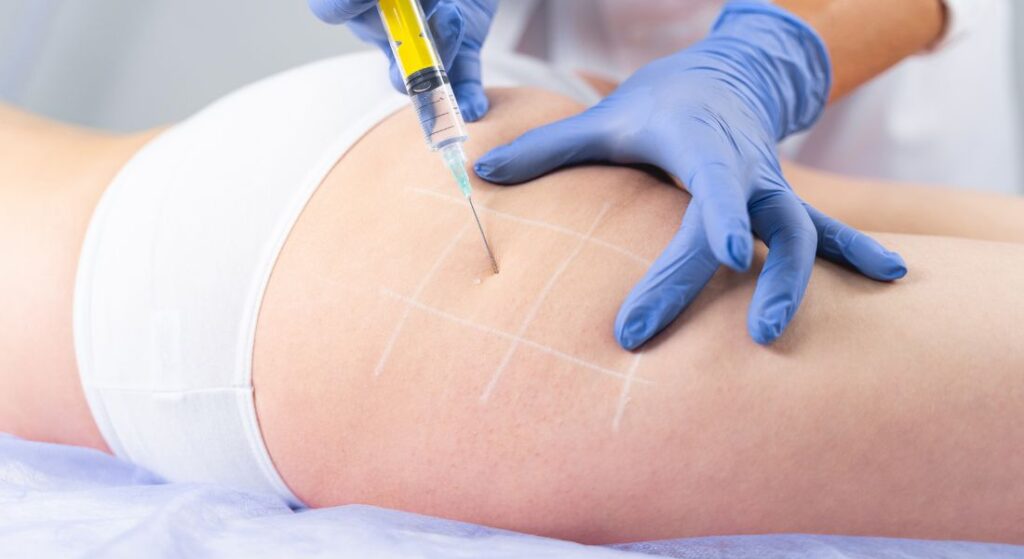
Understanding the treatment process in advance helps set realistic expectations and reduces anxiety. Knowing what happens at each stage allows you to feel more prepared and confident, from your initial consultation through recovery and aftercare.
Consultation: Your practitioner assesses your skin quality, cellulite severity, and discusses your goals. They determine the number of vials and sessions needed.
During Treatment: The area is numbed, and Sculptra is injected using a needle or cannula. Because cellulite dimples are often spread out, injections are typically distributed across a broader area.
After the Procedure: You may notice some temporary side effects such as redness, mild swelling, tenderness, small lumps, or bruising. These are normal and typically resolve within a few days as your skin begins to adjust and recover.
Massaging the treated area as instructed is essential to help Sculptra settle evenly and stimulate collagen effectively.
Is Sculptra Safe for Treating Cellulite?
Sculptra has a strong safety record when used properly. Because cellulite treatments require larger volumes and broader areas, choosing an experienced practitioner is essential. Proper dilution, placement, and aftercare significantly reduce risks. Side effects are usually mild and temporary. Complications such as nodules or unevenness are rare when Sculptra is administered correctly.
Why Sculptra Works Especially Well for Cellulite Dimples
Cellulite is partly caused by a weakened or thin dermis. When the dermis lacks strength, it cannot resist the downward pull of fibrous bands, which creates the familiar dimpling effect. By stimulating collagen production, Sculptra thickens and strengthens the dermis, improving the skin’s structural integrity.
As the dermis becomes firmer, the visible appearance of cellulite begins to improve. Patients often notice less pronounced dimples and smoother contours across the treated area.
Sculptra also helps create more even skin texture and smoother transitions between dimpled and non-dimpled areas, reducing the shadowing that makes cellulite more noticeable. The result is a natural-looking improvement without dramatic or artificial changes.
Because cellulite is a complex condition involving fat, connective tissue, and skin, no single treatment can address every component. However, by targeting one of the most important structural layers, Sculptra can make a significant difference in overall skin appearance and resilience.
Realistic Expectations Matter
Although Sculptra can noticeably improve the appearance of cellulite dimples, it will not create “photoshopped” perfection. The goal is natural enhancement and gradual improvement, rather than complete elimination. Most patients notice smoother thighs or buttocks, less pronounced dimples, improved skin tone and density, and a more confident appearance in fitted clothing.
It’s important to understand that if you expect total dimple removal, combined treatments or alternative options may be needed. Being well-informed about what Sculptra can realistically achieve helps ensure higher satisfaction and a more positive overall experience.
Who Should Avoid Sculptra for Cellulite?
Sculptra may not be suitable if you have severe skin laxity, are seeking instant results, or hold unrealistic expectations. It is also generally not recommended for those with certain autoimmune or inflammatory conditions, or a tendency to develop keloid scars. Your practitioner will carefully review your medical history during consultation to determine whether Sculptra is appropriate for you.
Longevity of Sculptra Results for Cellulite
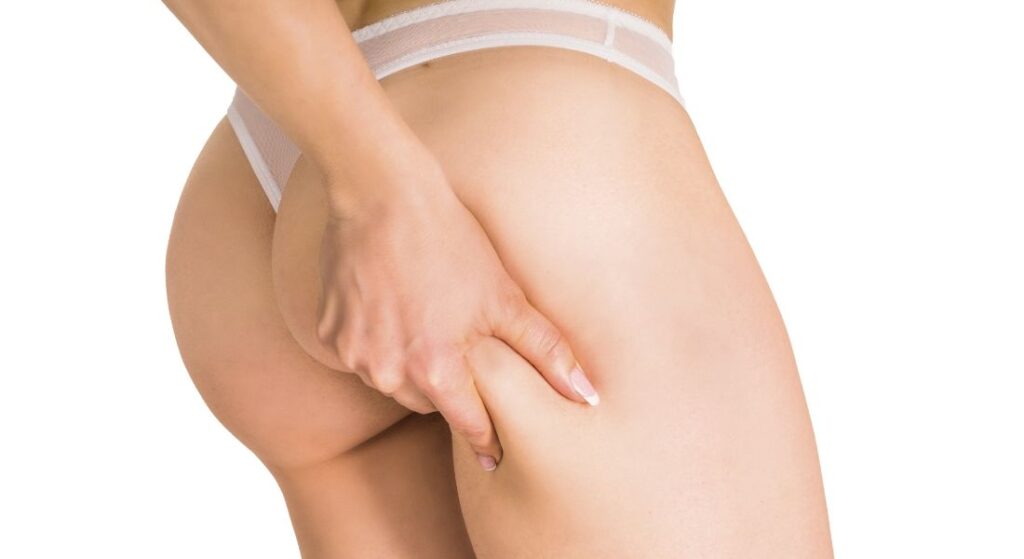
Because Sculptra works by stimulating collagen production, results develop gradually over several weeks to months but tend to be long-lasting. Most patients can expect improvements to persist for up to two years or more, with maintenance treatments once a year helping to keep the results stable.
The durability of results also depends on your lifestyle habits. Protecting your skin from the sun, maintaining a balanced diet, staying well-hydrated, and exercising consistently all help support collagen health.
Avoiding smoking is equally important, as tobacco use can accelerate collagen breakdown. By maintaining these healthy habits, you can prolong and optimise the effects of Sculptra, keeping your skin smoother and firmer for longer.
FAQs:
1. How does Sculptra improve the appearance of cellulite dimples?
Sculptra works by stimulating your body’s natural collagen production. Unlike traditional dermal fillers that instantly add volume, Sculptra gradually thickens and strengthens the dermis over weeks to months. As collagen develops, the skin becomes firmer and more resilient, reducing the appearance of cellulite dimples. This approach targets the underlying skin structure rather than just smoothing the surface, leading to more natural and long-lasting improvements.
2. Can Sculptra completely remove cellulite?
No, Sculptra cannot completely eliminate cellulite. It is most effective for mild to moderate cellulite caused by thinning or lax skin. Deeply tethered dimples, extensive fibrous septae, or large fat pockets may not respond fully to Sculptra alone. However, it can significantly soften dimples, improve skin texture, and create a smoother, more even appearance.
3. Who is the ideal candidate for Sculptra cellulite treatment?
The best candidates are individuals with mild to moderate cellulite where skin quality contributes to dimple formation. Patients should have realistic expectations, understanding that results are gradual and subtle. Sculptra is ideal for those seeking non-surgical, natural-looking improvements rather than instant, dramatic changes. It is less suitable for severe skin laxity or deeply tethered dimples without combination therapies.
4. How many Sculptra sessions are usually needed for cellulite?
Typically, patients require 2 to 4 sessions, spaced 4 to 8 weeks apart. Each session builds upon the last, gradually improving skin thickness, elasticity, and contour. The exact number of sessions and vials depends on the size of the treated area and severity of cellulite. Following the recommended schedule is key to achieving the best long-term results.
5. How soon will I see results after Sculptra treatment?
Results develop gradually. Some subtle improvement may appear within 4–6 weeks as collagen begins forming. Visible smoothing and reduced crepiness are often noticeable around 8–12 weeks. Peak improvement usually occurs at 3–6 months post-treatment, with results lasting up to 2 years or more, depending on lifestyle factors and maintenance sessions.
6. Which areas of the body can be treated for cellulite with Sculptra?
Sculptra is commonly used on the thighs, buttocks, outer thighs, and small hip indentations. It works best on areas where skin laxity contributes to cellulite and can also improve crepey skin surrounding dimples. Large areas benefit from Sculptra’s gradual collagen stimulation, which provides uniform skin tightening and texture improvement.
7. Can Sculptra be combined with other treatments for cellulite?
Yes, combining Sculptra with other treatments can enhance results. Subcision releases tethered fibrous bands, radiofrequency or microneedling tightens skin, acoustic wave therapy improves circulation, and lasers enhance surface texture or pigmentation. Using Sculptra in combination addresses both the structural integrity of the skin and surface irregularities, offering a more comprehensive improvement.
8. What is the treatment process like?
During consultation, your practitioner assesses skin quality, cellulite severity, and treatment goals. During the procedure, the area is numbed, and Sculptra is injected using a fine needle or cannula, distributed across dimples and surrounding areas. Post-treatment, mild redness, swelling, bruising, or small lumps may occur but usually resolve in a few days. Following massage instructions is essential for optimal collagen stimulation and even results.
9. Is Sculptra safe for cellulite treatment?
Yes, Sculptra is considered safe when administered by a trained and experienced practitioner. Because treatment requires larger volumes over broader areas, careful technique and proper dilution are essential. Side effects are usually mild and temporary, such as redness, swelling, bruising, or small nodules. Serious complications are rare when the procedure is performed correctly.
10. How long do the results last, and can they be maintained?
Sculptra results are gradual and long-lasting, often persisting for up to 2 years or more. Collagen continues to support the dermis over time, and maintenance sessions once a year can sustain and enhance the effects. Lifestyle factors, such as sun protection, hydration, balanced nutrition, exercise, and avoiding smoking, also help prolong results and maintain firmer, smoother skin.
Final Thoughts: Sculptra for Cellulite Dimples (What to Expect)
Sculptra provides a gradual, natural way to improve the appearance of cellulite dimples by stimulating collagen production and strengthening the dermis. While it won’t completely remove cellulite, it can soften dimples, enhance skin texture, and create a smoother, firmer appearance over time. Understanding realistic expectations and following a structured treatment plan is essential for achieving the best results. If you’re thinking about sculptra in London, you can contact us at the London Medical & Aesthetic Clinic to speak with our team.
References:
1. Kubik, P., Gruszczyński, W. & Filipowska, M., 2025. Comparative Analysis of Reconstitution and Solubility of Two Poly-L-Lactic Acid Fillers for Medical Applications. Polymers, 17(13), 1778. https://www.mdpi.com/2073-4360/17/13/1778
2. Signori, R. et al., 2024. Efficacy and Safety of Poly-L-Lactic Acid in Facial Aesthetics: A Systematic Review. https://www.mdpi.com/2073-4360/16/18/2564
3. Haddad, A. et al., 2024. Injectable Poly-l-Lactic Acid for Body Aesthetic Treatments: An International Consensus on Evidence Assessment and Practical Recommendations. https://pmc.ncbi.nlm.nih.gov/articles/PMC11965205/
4. Optimizing Skin Quality with Injectable Poly-L-Lactic Acid and Hyaluronic Acid, 2024. https://pmc.ncbi.nlm.nih.gov/articles/PMC10286875/
5. Swearingen, A. et al., 2023. A Randomized, Single-Center, Double-Blinded, Split-Body Clinical Trial of Poly-L-Lactic Acid for the Treatment of Cellulite of the Buttocks and Thighs. https://pubmed.ncbi.nlm.nih.gov/36826378/