


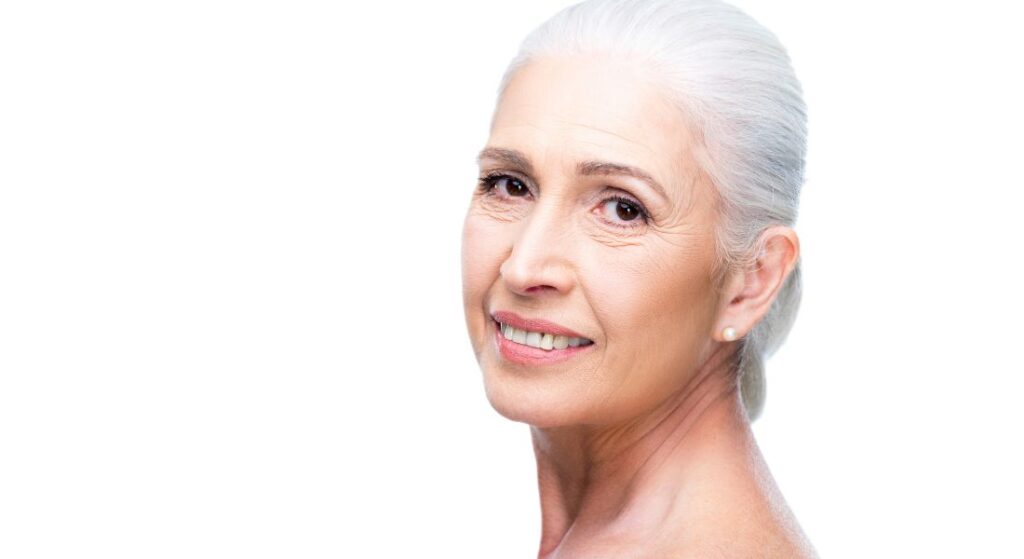
If you’re in your 70s and considering aesthetic treatment, it’s natural to question whether Sculptra is still suitable for you. Many people assume collagen-stimulating treatments stop working beyond a certain age, or that ageing skin may be too fragile to respond safely. These concerns are understandable, especially if you want subtle improvement without risk.
Ageing in your 70s brings very different skin changes compared to earlier decades. Expectations need to be realistic, and treatment planning must be careful. However, age alone does not automatically rule out Sculptra.
This article explains how skin behaves in the 70s, whether collagen stimulation can still occur, what safety considerations matter most, and what level of improvement is genuinely achievable.
How Skin Changes in Your 70s
By the time you reach your 70s, the skin has undergone decades of structural change, with collagen and elastin levels significantly reduced, the skin becoming thinner, and facial fat loss and redistribution more pronounced, all of which affect firmness, elasticity, and overall facial support.
Blood supply to the skin can also be diminished, which influences healing, tissue regeneration, and the skin’s ability to respond to treatments, while fine lines deepen, laxity increases, and the face may appear more hollow or deflated, particularly around the mid-face and jawline.
These age-related changes do not make aesthetic treatments impossible, but they do require careful adjustment of treatment approach, dosage, and expectations, ensuring that any intervention is both safe and capable of producing natural, harmonious results.
What Sculptra Is Designed to Do
Sculptra is not a conventional dermal filler that adds instant volume; instead, it works by gradually stimulating your body’s own collagen production over time, aiming to rebuild the skin’s internal support and resilience rather than directly reshaping or lifting facial features.
Because of this mechanism, Sculptra behaves very differently from surface fillers, particularly in mature skin, enhancing skin thickness, firmness, and underlying structural support without adding visible bulk or creating an artificial appearance.
This gradual, collagen-driven improvement allows the skin to restore subtle contours and natural support, helping to address age-related changes while maintaining facial identity, which is especially important for patients in their 70s who may have more pronounced structural and volume loss.
When used conservatively and appropriately, Sculptra can be a valuable option even later in life, offering progressive, natural-looking enhancement while respecting the limitations and characteristics of ageing skin.
Does Collagen Stimulation Still Happen in Your 70s?
While collagen production slows considerably with age, it does not stop entirely, and even in your 70s the skin retains the ability to respond to stimulation, making treatments like Sculptra capable of supporting structural improvement and subtle rejuvenation.
The response in this age group is typically slower and more gradual than in younger decades, meaning that results may take longer to become visible and are generally more understated rather than dramatic, requiring patience and realistic expectations from the patient.
What is most important is the overall health of the skin, adequate circulation, and general medical wellbeing, rather than age alone, as these factors significantly influence how effectively collagen can be stimulated and how well the skin responds to treatment.
How Sculptra Behaves in Later-Age Skin
In patients in their 70s, Sculptra works best as a supportive treatment rather than a corrective one. It helps reinforce weakened skin structure, improve overall skin quality, and provide natural, subtle enhancements that respect the ageing process.
Gradual results: Improvements develop slowly over several months, allowing the face to adapt naturally. This gradual change ensures that the enhancements look harmonious, avoiding sudden or unnatural shifts in appearance.
Reinforcing skin structure: Sculptra stimulates collagen in areas where the skin has weakened with age. Over time, this strengthens the underlying support, improves elasticity, and enhances skin texture for a healthier, firmer look.
Enhancing natural ageing: Rather than trying to reverse ageing completely, Sculptra helps the skin age more gracefully. Thoughtful treatment maintains natural facial features while providing long-lasting, balanced improvements.
Used carefully, Sculptra in later-age skin supports structure, improves overall quality, and delivers subtle, natural results that complement the patient’s age and facial dynamics.
What Results Are Realistic in Your 70s?
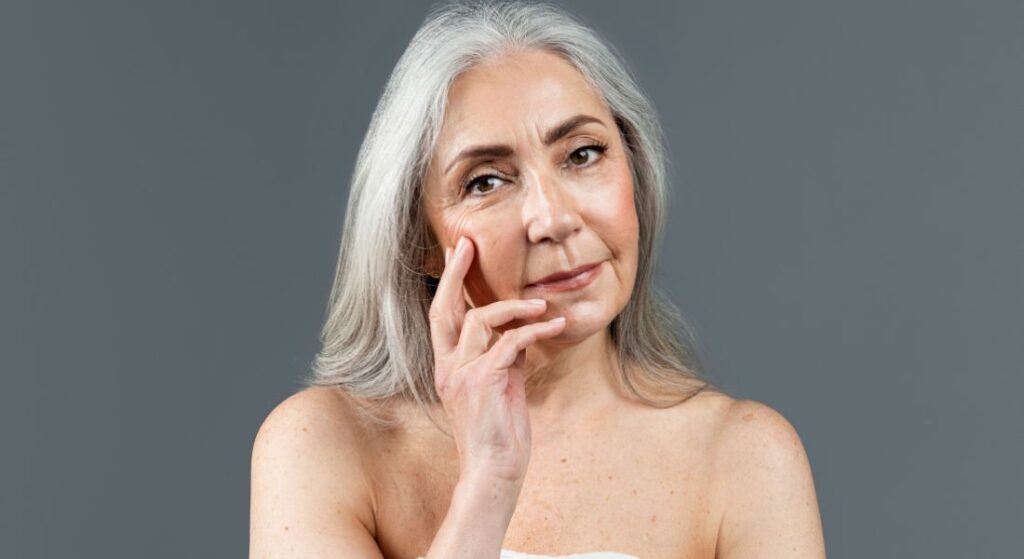
It is important to have a clear understanding of what Sculptra can and cannot achieve at this stage of life, as results are generally subtle, gradual, and focused on enhancing skin quality and structural support rather than delivering dramatic transformation or restoring a decades-younger appearance.
Patients in their 70s may notice firmer, more resilient skin, improvements in texture, and better overall facial support, which together can create a healthier, more refreshed look while maintaining natural facial expressions and harmony.
Sculptra will not fully restore youthful volume, fill deep folds completely, or reverse the most advanced signs of ageing, and it should never be expected to do so; instead, the goal is restoration, support, and a subtle enhancement that respects the patient’s age and anatomy.
Why Conservative Treatment Is Essential
In patients in their 70s, a “less is more” approach is almost always preferable, as over-treatment can increase the risk of uneven skin texture, the formation of nodules, or unnatural facial contouring, particularly when the skin is thinner and more fragile.
A conservative approach helps protect the integrity of the skin while maintaining the natural character and movement of the face, ensuring that results appear subtle, harmonious, and age-appropriate rather than exaggerated or artificial.
This strategy also reduces the likelihood of complications, which can be more common in older skin due to reduced elasticity, thinner dermal layers, and slower healing, making careful planning and precise technique essential.
Experienced practitioners therefore prioritise restraint, spacing treatments appropriately, and avoiding excessive product use in a single session, ensuring that improvements develop gradually and safely over time while respecting the patient’s anatomy and ageing patterns.
Safety Considerations for Sculptra in the 70s
Safety becomes particularly important in patients in their 70s, as skin fragility increases and proper technique, correct product dilution, and precise placement depth are essential to avoid complications and ensure natural, balanced results that respect the patient’s anatomy.
Thinner skin and reduced elasticity demand gentler handling, because poor technique or overly aggressive treatment can lead to visible irregularities, nodules, or delayed complications, which is why the experience and expertise of the practitioner are absolutely critical when treating older patients.
Areas of the Face Commonly Treated in the 70s
In later life, Sculptra is typically used to support broader areas of the face rather than focusing on sculpting or reshaping individual features, with an emphasis on restoring structural support and improving overall facial harmony.
Common treatment zones include the temples, mid-face, jawline, and lower face, where gradual collagen stimulation can enhance firmness, improve skin thickness, and provide subtle lifting without adding obvious surface volume or creating unnatural contours.
These areas benefit primarily from structural reinforcement, helping to maintain facial balance and support for tissues that have thinned or shifted over time, rather than attempting to recreate youthful volume or address every fine line individually.
The overall goal is to restore harmony and provide subtle rejuvenation, ensuring that results look natural, balanced, and age-appropriate, rather than dramatic or artificially enhanced, which is especially important for older patients.
When Combination Treatments May Be Needed
In many patients in their 70s, Sculptra alone may not fully address all visible ageing concerns, particularly in cases of significant volume loss, pronounced skin laxity, or deep structural changes, making a combined treatment approach necessary to achieve balanced and natural results.
Combination treatments may involve targeted dermal fillers to restore specific hollows or contours, alongside skin treatments designed to improve surface quality, texture, and hydration, with each element contributing a distinct benefit that complements the others.
Careful sequencing, conservative dosing, and a restrained approach are essential to maintain natural, harmonious results, ensuring that the face improves gradually without appearing overfilled, exaggerated, or inconsistent with the patient’s individual anatomy and ageing pattern.
How Many Sessions Are Usually Required?
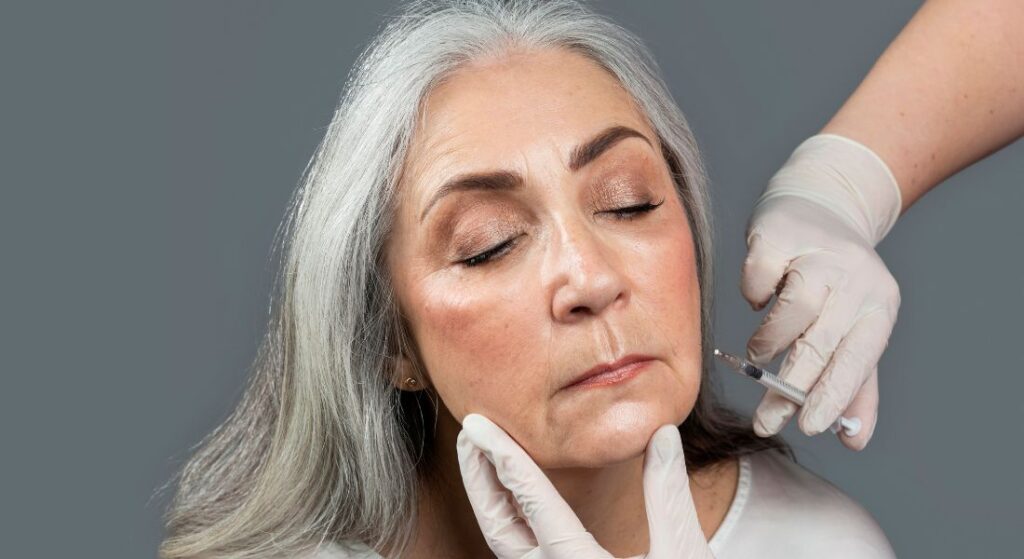
For patients in their 70s, Sculptra treatment typically involves multiple sessions spaced over time rather than a single appointment, allowing collagen stimulation to develop gradually and safely while minimising the risk of overcorrection or uneven results.
The exact number of sessions required depends on individual factors such as the condition and thickness of the skin, the degree of volume loss, and the patient’s specific treatment goals, as well as how the skin responds to collagen stimulation over time.
Results continue to improve between appointments as the body gradually produces new collagen, meaning that improvements can be subtle at first but build progressively, enhancing skin support, firmness, and facial harmony.
Properly spacing treatments not only reduces stress on the skin but also maximises the quality and longevity of the outcome, ensuring that changes appear natural, balanced, and integrated with the patient’s existing facial structure.
How Long Do Results Last?
Once collagen is stimulated with Sculptra, the results can last for several years. While ageing continues naturally, these gradual improvements provide long-term benefits that are more subtle and natural than temporary fillers.
Long-lasting collagen stimulation: Once collagen production is activated, it continues to rebuild over time. This gradual process helps maintain facial volume, improve skin texture, and create long-lasting enhancements without frequent intervention.
Maintenance treatments: Periodic touch-ups may be recommended to preserve results as the skin continues to age. These sessions are usually lighter and less frequent than the initial treatment, focusing on maintaining support rather than rebuilding it entirely.
Appeal for long-term improvement: Sculptra is particularly suitable for patients who prefer gradual, sustainable improvements. Its long-lasting effects provide natural-looking enhancements without the need for constant top-ups.
With proper planning and occasional maintenance, Sculptra offers a reliable solution for patients seeking subtle, long-term facial rejuvenation and improved skin quality.
Who May Not Be Suitable for Sculptra in Their 70s?
Sculptra may not be appropriate for every patient in their 70s, particularly those with extremely thin or fragile skin, certain underlying medical conditions, or a history of complications from previous injectable treatments, as these factors can increase the risk of adverse outcomes.
Active skin infections or inflammatory conditions can also affect suitability, making it essential to address these issues before considering treatment to reduce potential complications and ensure patient safety.
Unrealistic expectations regarding the results can influence suitability as well, since Sculptra in older skin typically produces subtle, gradual improvements rather than dramatic volumetric restoration, and patients must understand what is achievable.
A thorough consultation, including a detailed medical review and honest discussion of goals and limitations, ensures that any decision to proceed is made safely, conservatively, and with the patient’s best interests at the centre of the treatment plan.
Why Results Often Look “Subtle but Meaningful”
Patients in their 70s often describe Sculptra results as understated and natural rather than dramatic or immediately obvious, with improvements focused on making the face look healthier, more supported, and better balanced while maintaining harmony with existing features.
Because the enhancement comes from the stimulation of the body’s own collagen rather than from adding immediate volume, facial movement and expression remain entirely natural, preserving the patient’s identity and preventing any frozen or artificial appearance.
For many older patients, this subtlety is precisely what makes Sculptra appealing, as the improvements feel age-appropriate, reassuring, and aligned with the goal of restoring support and structure rather than attempting to reverse the ageing process completely.
The Role of Lifestyle and Skin Health
Lifestyle factors such as sun exposure, smoking, nutrition, hydration, and overall health play an increasingly important role in how the skin responds to treatment, particularly in later decades when natural repair mechanisms are already reduced.
Healthy habits help support collagen stimulation, improve skin resilience, and contribute to results that appear more even, stable, and longer lasting. While absolute perfection is not expected, awareness of these factors allows patients to optimise treatment outcomes and protect skin quality over time.
During consultation, your practitioner may discuss lifestyle considerations as part of a holistic treatment plan, ensuring that injectable treatments are supported by realistic expectations and strategies that promote long-term skin health.
Why Choosing the Right Clinic Matters Even More
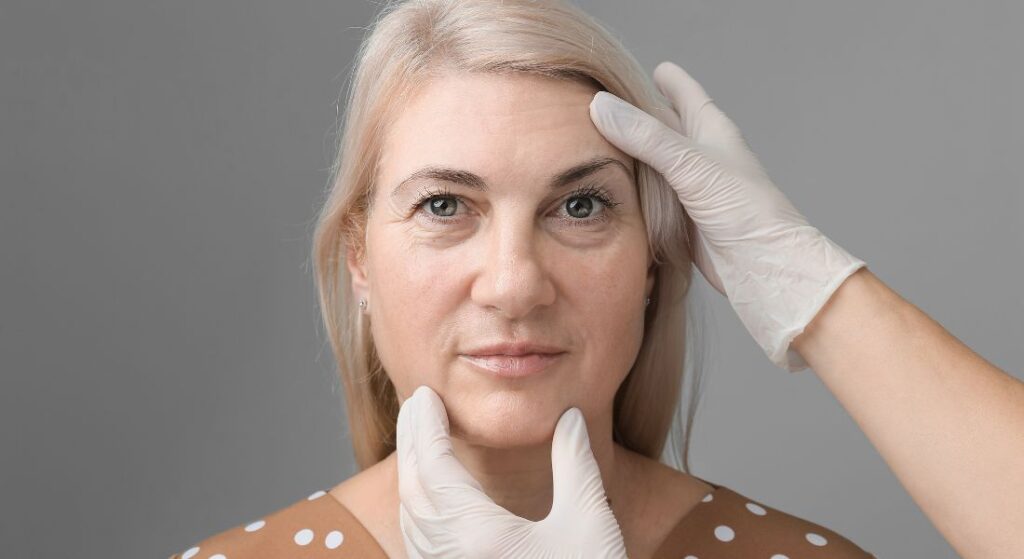
In your 70s, treatment experience matters more than at any other stage of life, as mature skin behaves very differently from younger skin and requires a far more nuanced approach. Clinics that regularly treat older patients understand how to balance safety, subtlety, and effectiveness without pushing the skin beyond its limits.
A careful assessment is essential and should never feel rushed. This includes evaluating skin thickness, facial structure, medical history, and realistic treatment goals, alongside an honest discussion about what can and cannot be achieved safely at this stage.
Formula-based or one-size-fits-all treatments increase risk in older skin. Overcorrection, inappropriate product choice, or poor technique can lead to uneven texture, unnatural contouring, or delayed complications that are harder to correct later.
If you’re considering treatment involving Sculptra, choosing a clinic that prioritises facial anatomy, age-related changes, and conservative long-term planning is crucial. The right clinic focuses on preserving character, maintaining balance, and supporting the skin rather than chasing dramatic change.
FAQs:
1. Can Sculptra still be effective for people in their 60s?
Sculptra can remain effective for individuals in their 60s, provided expectations are realistic and the treatment is tailored to ageing skin. While collagen production naturally slows with age, the skin still retains the ability to respond to stimulation. Sculptra works gradually by enhancing the body’s own collagen, improving skin structure, firmness, and overall facial support, rather than providing immediate volumisation. When used appropriately, it can subtly restore skin quality and reinforce natural contours.
2. How does ageing skin respond to collagen-stimulating treatments like Sculptra?
Ageing skin responds to collagen stimulation more slowly and sometimes less dramatically than younger skin. In patients in their 60s, results often develop over several months, with improvements in skin thickness, firmness, and texture emerging gradually. The skin’s slower response means multiple sessions may be required, and subtle, progressive changes are usually seen rather than dramatic volumetric enhancement. Maintaining realistic expectations ensures satisfaction with the outcomes.
3. What results can patients in their 60s expect from Sculptra?
Patients in their 60s can expect Sculptra to improve skin support, resilience, and overall facial harmony rather than fully restore youthful volume. Fine lines may soften, facial contours can appear more balanced, and the skin often looks healthier and more vibrant. The treatment emphasises subtle rejuvenation, preserving natural expressions and the patient’s unique facial identity, rather than attempting to recreate the full volume of earlier decades.
4. When might Sculptra be combined with other treatments?
In some cases, Sculptra alone may not fully address all signs of ageing, especially when there is significant volume loss or skin laxity. Combination treatments, such as targeted dermal fillers or skin rejuvenation procedures, can complement Sculptra’s collagen-stimulating effects. This approach allows for more balanced results, restoring structural support and improving surface quality while maintaining natural facial proportions and harmony.
5. How many sessions of Sculptra are typically required for patients in their 60s?
Treatment usually involves a series of sessions rather than a single procedure. The exact number depends on individual factors such as skin quality, the degree of volume loss, and aesthetic goals. Spacing the sessions appropriately allows collagen to build gradually, reduces the risk of overcorrection or uneven results, and ensures that the improvements integrate naturally with the patient’s existing facial structure.
6. How long do the results of Sculptra last?
The results of Sculptra are long-lasting because the treatment stimulates the body’s own collagen. Improvements can continue for several years, particularly with good maintenance and healthy skin habits. Periodic touch-ups may be recommended to sustain the effects, but these are generally less intensive than the initial treatment. The gradual nature of the results helps maintain a natural, youthful appearance over time.
7. Is Sculptra safe for older skin?
When administered by an experienced practitioner, Sculptra is considered safe for older skin. It provides gradual improvements without compromising tissue integrity or natural facial balance. However, improper technique or over-treatment can result in issues such as lumps or uneven texture, particularly in areas where the skin is thin or fragile. Careful assessment and conservative treatment planning are essential to protect both safety and aesthetic outcomes.
8. Who may not be an ideal candidate for Sculptra in their 60s?
Sculptra may not be suitable for patients with very thin or fragile skin, active skin infections, certain inflammatory conditions, or unrealistic expectations about the results. These factors can increase the risk of complications or dissatisfaction. A thorough consultation is essential to evaluate suitability, ensuring that any decision to proceed aligns with the patient’s skin condition, health status, and aesthetic goals.
9. Why do Sculptra results often look “natural but improved”?
Sculptra results tend to appear natural because the treatment stimulates collagen gradually, enhancing skin support and structure rather than adding immediate volume. This allows facial features to retain their natural expression and movement while subtle improvements in firmness, texture, and contour become noticeable. The outcome is often described as a healthier, refreshed appearance without obvious signs of treatment.
10. How do lifestyle factors affect Sculptra results?
Lifestyle factors such as sun exposure, smoking, nutrition, and stress can influence how well the skin responds to collagen stimulation. Maintaining healthy habits supports more effective and longer-lasting results, while poor habits may limit the skin’s ability to respond optimally. During consultation, practitioners often discuss these factors to optimise treatment outcomes and help patients achieve the best possible long-term results.
Final Thoughts: What’s Realistic With Sculptra in Your 70s
Sculptra can still be a valuable option in your 70s when used thoughtfully, conservatively, and with realistic expectations. Rather than aiming for dramatic change, the treatment focuses on reinforcing skin structure, improving firmness, and supporting overall facial harmony in a way that respects the natural ageing process. For many patients, the true benefit lies in subtle yet meaningful improvement, helping the face look healthier, more supported, and well balanced rather than noticeably “treated”. If you are thinking about Sculptra treatment, you can reach out to us at the London Medical & Aesthetic Clinic.
References:
1. A randomized clinical trial showing injectable PLLA is well tolerated and effective for nasolabial wrinkle correction with long-lasting results up to 25 months. https://www.sciencedirect.com/science/article/abs/pii/S0190962209009621
2. Systematic review of PLLA’s effectiveness, durability, and adverse events in adult facial ageing. https://pubmed.ncbi.nlm.nih.gov/39339028/
3. Efficacy and safety of PLLA (Sculptra®) injectable implant in correcting cheek wrinkles and improving skin quality. https://pubmed.ncbi.nlm.nih.gov/38206151/
4. Advances in poly-L-lactic acid injections for facial and neck rejuvenation, detailing PLLA’s mechanism of collagen stimulation. https://pmc.ncbi.nlm.nih.gov/articles/PMC12323926/
5. Efficacy, durability, and safety of poly-L-lactic acid (PLLA) treatments for facial ageing and lipoatrophy, https://pmc.ncbi.nlm.nih.gov/articles/PMC11435306/