



When people first hear that Sculptra works gradually, it can raise questions or even concerns. In a world where many aesthetic treatments promise immediate results, slow improvement may feel unusual or confusing. To truly understand how Sculptra works, we need to look beyond what’s visible and explore the biology of biostimulation.
Sculptra functions by triggering a controlled inflammatory response in the skin, which stimulates fibroblasts to produce new collagen over time. This gradual process helps restore facial volume and improve skin texture naturally. Because it relies on the body’s own mechanisms, the results cannot appear overnight, but they tend to be longer-lasting and more natural than those from traditional fillers.
Unlike fillers that simply add instant volume, Sculptra encourages the skin to rebuild itself from within. Over several weeks to months, this biostimulation strengthens the underlying support structure of the skin, leading to subtle, progressive improvement. It also allows clinicians to tailor treatments to each patient’s unique needs, ensuring a more personalised approach.
At London Medical & Aesthetic Clinic, we focus on explaining the science in patient-friendly terms while staying grounded in clinical understanding. Knowing how and why Sculptra works helps patients set realistic expectations, feel confident in their treatment plan, and appreciate the gradual yet long-lasting results. By understanding the biological process, patients can better track improvements and enjoy a more satisfying aesthetic outcome.
Why “Gradual Results” Are Often Misunderstood
We often associate effective aesthetic treatments with instant, visible change. When results appear slowly, it can create doubt, even when the treatment is working exactly as intended. This misunderstanding usually comes from comparing biology to cosmetic camouflage.
Our skin follows natural repair timelines that cannot be accelerated without compromise. When improvement develops gradually, it usually reflects the body rebuilding tissue itself. This is a defining feature of biostimulatory treatments.
We help patients understand that slow change is not a weakness. It is often a sign that regeneration is occurring in a healthy, controlled way, rather than being forced artificially.
What Biostimulation Actually Means in Medical Terms
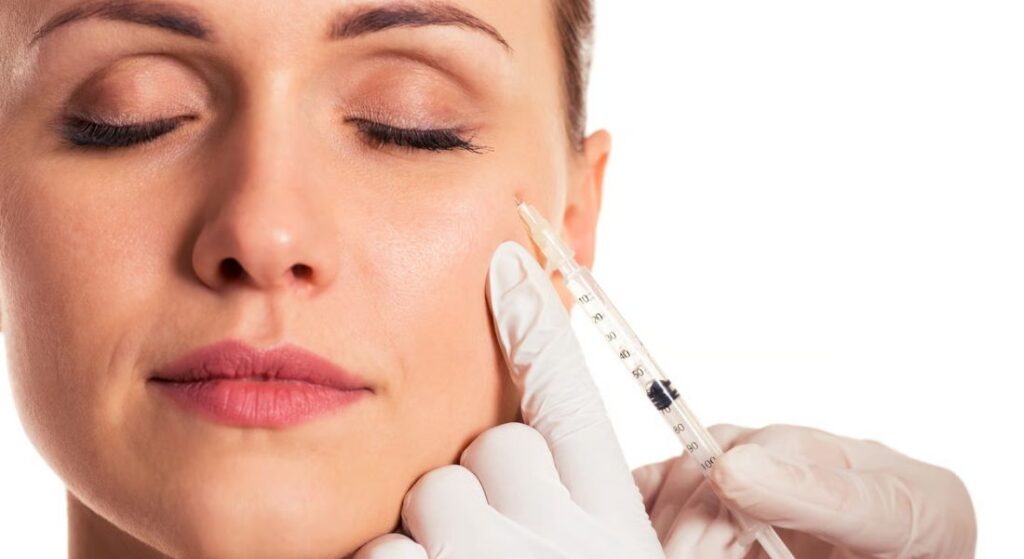
Biostimulation refers to the process of activating the body’s natural repair and regeneration systems. Rather than adding volume directly, the goal is to encourage tissues to rebuild themselves from within. This approach comes from regenerative medicine and focuses on supporting the body’s own healing mechanisms, rather than simply providing a temporary cosmetic fix.
With biostimulation, the aim is long-term improvement of skin and tissue rather than immediate surface correction. As new collagen is gradually produced and organised, the skin regains structure, strength, and elasticity naturally. This method respects the skin’s biology and works in harmony with its natural processes.
Treatments like Sculptra are designed within this medical framework. Understanding the concept of biostimulation helps explain why results appear gradually and why timelines differ from traditional fillers. It also highlights the lasting benefits that come from supporting the body’s own regenerative capabilities.
The Difference Between Fillers and Biostimulators
Although fillers and biostimulators are often grouped together, they work in fundamentally different ways. Understanding this distinction is essential for setting realistic expectations about timing, appearance, and outcome. The mechanism of action shapes everything that follows.
Here’s how they differ:
1. Fillers Create Immediate Volume – Traditional fillers work by physically occupying space as soon as they are injected. This produces instant volume and visible correction in the treated area on the same day.
2. Results With Fillers Are Seen Straight Away – Because the effect is mechanical, changes are immediate. What is placed is what creates the visible result.
3. Biostimulators Work Through Biological Signalling – Biostimulators do not fill lines or add volume directly. Instead, they stimulate cellular processes that encourage the body to rebuild its own tissue over time.
4. Improvement With Biostimulators Is Gradual – Visible change develops slowly as collagen regeneration occurs. Results unfold over weeks to months rather than appearing instantly.
We explain this difference clearly so expectations are aligned from the outset. Biostimulators are not designed to behave like fillers. Their role is to support gradual tissue regeneration, leading to more natural, integrated, and long-term improvement.
Why the Body Needs an Inflammatory Signal to Heal
Inflammation is often misunderstood as something harmful, but controlled inflammation plays a vital role in healing. Without this initial response, the body does not activate the pathways required for repair. Tissue regeneration depends on these early biological signals to begin.
Our bodies use inflammation as a communication system within the skin. It signals repair cells to the exact location where healing is required and indicates when the process should start. This mechanism forms a normal and necessary part of wound healing.
We focus on controlled and localised inflammation rather than an excessive response. When carefully managed, this process supports safe collagen production and long-term tissue strength without unnecessary stress on the skin.
What “Controlled Inflammation” Really Means
Controlled inflammation is mild, targeted, and temporary by design. It does not cause tissue damage, prolonged swelling, or disruption to surrounding structures. Instead, it functions as a precise biological trigger that signals the skin to begin repair.
With biostimulatory treatments, our focus is accuracy rather than intensity. The inflammatory response must be sufficient to activate repair pathways while remaining gentle enough to minimise risk. Achieving this balance is central to safe and predictable outcomes.
We rely on this measured response to support natural regeneration over time. When inflammation is properly controlled, improvements develop gradually and harmoniously, avoiding abrupt or artificial-looking changes.
How Poly-L-Lactic Acid Initiates the Response
Sculptra is made from poly-L-lactic acid particles that the body naturally recognises after injection. This recognition does not trigger alarm or damage but instead initiates a predictable and regulated biological response. The process is temporary and carefully controlled by the body’s normal repair mechanisms.
Once injected, the immune system activates a local inflammatory cascade in the treated area. This response follows a well-understood pathway and is neither random nor aggressive. Its primary role is to signal that tissue repair and renewal should begin.
We view poly-L-lactic acid as a signalling agent rather than a traditional filler. Instead of creating instant volume, it acts as a trigger for regeneration within the skin. This is why Sculptra works gradually, focusing on long-term tissue rebuilding rather than immediate cosmetic change.
The Role of Immune Cells in Early Biostimulation
Biostimulatory treatments begin their work long before any visible change appears. The earliest phase happens at a cellular level, where the immune system plays a key organising role. Understanding this phase helps explain why patience is essential.
Here’s how immune cells shape early biostimulation:
1. Immune Cells Act as First Responders – After treatment, immune cells are the first to arrive at the site. They release signalling molecules that help coordinate the repair response within the skin.
2. Signalling Directs the Repair Process – These immune signals guide how and when repair should occur. Proper signalling ensures that collagen-producing cells are activated in a controlled and timely way.
3. Communication With Fibroblasts Is Essential – Our bodies rely on clear communication between immune cells and fibroblasts. Without this interaction, fibroblasts remain inactive and meaningful collagen production does not begin.
4. Early Activity Lays the Biological Foundation – This initial immune-driven phase prepares the tissue for regeneration. Although nothing visible happens yet, critical groundwork is being established beneath the surface.
We explain this early phase so expectations remain realistic. Visible improvement takes time because biology works in stages. During this period, the skin is being prepared for gradual, structured change that supports stable, long-term results.
How Fibroblasts Respond to Inflammatory Signals
Fibroblasts are specialised cells responsible for producing collagen within the skin. Once activated by inflammatory signals, they begin synthesising new collagen fibres in a structured and regulated way. This process follows natural biological rhythms rather than rapid change.
Our fibroblasts cannot generate collagen instantly after treatment. They require time to build, organise, and strengthen newly formed tissue. This gradual activity explains why visible improvement develops steadily rather than immediately.
We emphasise that fibroblast-driven change is structural, not superficial. The collagen produced integrates into existing tissue, resulting in skin that feels stronger, more resilient, and naturally supported over time.
Why Collagen Production Takes Weeks, Not Days
Collagen production is a multi-stage biological process involving fibre creation, alignment, and maturation. Each stage depends on precise cellular coordination and cannot be rushed without compromising tissue quality. This complexity is central to safe regeneration.
Our understanding of collagen biology shows that early activity typically becomes apparent after several weeks. Peak remodelling often continues for months as fibres strengthen and reorganise. This timeline is consistent across clinical research.
We use this evidence to set realistic expectations with patients. Gradual progression reflects healthy tissue regeneration, not delayed effectiveness, and supports results that are more stable and long-lasting.
Early Tissue Changes You May Not See
The earliest changes following treatment occur beneath the surface of the skin. Dermal thickness and overall tissue quality begin to improve before any visible volume or contour change appears. These early shifts are structural and deliberately subtle.
Our patients sometimes interpret this stage as a lack of results. In reality, this phase represents the foundation on which long-term improvement is built. The body is strengthening tissue internally before showing outward change.
We help patients understand that unseen progress is still meaningful progress. This early work supports durability, firmness, and natural-looking outcomes that continue to develop over time.
The Transition From Inflammation to Regeneration
We explain to patients that inflammation is only the starting signal in the treatment process. Once this initial response settles, the body naturally transitions into regeneration mode. This shift is essential for safe and effective collagen formation.
Our experience shows that collagen production continues even after the stimulating particles begin to degrade. The treatment does not stop working when inflammation fades. Instead, the focus moves from signalling to building structure.
We emphasise that inflammation is temporary by design, while regeneration is long-lasting. Understanding this distinction helps patients see why results feel progressive and stable rather than reactive.
Why Results Continue to Improve Over Months
We often remind patients that collagen maturation is inherently slow. Early collagen fibres are gradually remodelled into stronger, more organised structures. This process cannot be safely compressed into a short timeframe.
Our clinical observations align with research showing that skin firmness and resilience improve steadily over months. Visible results often peak well after treatment, reflecting ongoing tissue remodelling rather than delayed action.
We reassure patients that this timeline is biological, not a concern. When improvement continues, it usually means collagen is still maturing beneath the surface, supporting lasting and natural outcomes.
How This Process Differs From Immediate Fillers
Biostimulation and traditional fillers are often discussed together, but their mechanisms are fundamentally different. Understanding this difference helps set accurate expectations about timing, durability, and the nature of results.
Here’s how the two approaches differ:
1. Traditional Fillers Create Instant Volume – Fillers work by physically occupying space within the tissue. The effect is immediate because volume is created the moment the material is placed.
2. Filler Results Reduce as the Material Is Metabolised – Over time, the filler is gradually broken down by the body. As this happens, the visible effect reduces because the support comes from the product itself.
3. Biostimulation Encourages the Body to Do the Work – With biostimulation, the product does not act as the result. Instead, it encourages the body to generate new collagen and rebuild tissue internally.
4. Results Persist Because the Tissue Has Changed – Once the product has been cleared, newly formed collagen remains. What supports the skin is regenerated tissue rather than a temporary implant.
This distinction explains why biostimulatory results feel different and last longer. Improvement comes from the body’s own collagen, not from something placed within the skin. By focusing on regeneration rather than replacement, outcomes remain more natural, stable, and enduring over time.
Why Overstimulation Is Avoided in Treatment Planning
We are careful to explain that more inflammation does not lead to better outcomes. Excessive stimulation can increase risk without improving collagen quality. Balance is therefore central to effective treatment planning.
Our approach focuses on delivering measured biological signals rather than aggressive dosing. The body responds best when stimulation remains within natural limits. This protects both tissue health and long-term results.
We deliberately avoid rushing the process. Respecting how tissue responds over time leads to outcomes that are more predictable, stable, and natural in appearance.
How Staged Treatments Support Natural Healing
We use staged treatments to allow each phase of healing to complete properly. Spacing sessions gives inflammation time to settle before further stimulation is introduced. This sequencing mirrors the body’s natural repair cycles.
Our experience shows that fibroblasts function more effectively when they are not overloaded. Each session builds on previous progress rather than competing with it. This approach improves both safety and consistency.
We follow protocols supported by clinical data and biological understanding. Gradual stimulation results in stronger, better-organised collagen and more reliable long-term outcomes.
Why Patient Experience Improves With Understanding

We find that patients feel more at ease when they understand what is happening biologically. Early subtle changes no longer feel uncertain or worrying. Knowledge helps reduce anxiety during the process.
Our conversations focus on aligning expectations with real tissue timelines. When patients know what to expect, satisfaction increases naturally. The journey feels structured rather than slow.
We see education as an essential part of treatment itself. Understanding transforms patience into confidence and supports a more positive overall experience.
What “Gradual Improvement” Really Looks Like
Gradual improvement is often misunderstood as subtle or uncertain change. In reality, it reflects steady biological strengthening that becomes more noticeable over time. This type of progress prioritises authenticity rather than immediate transformation.
Here’s what gradual improvement typically looks like:
1. Changes Build Month by Month – Improvement develops in small increments rather than all at once. Skin gradually appears healthier, firmer, and more rested without sudden shifts.
2. The Result Feels Understated, Not Obvious – There is no dramatic overnight difference. Instead, the skin looks quietly improved, which often feels more comfortable and believable.
3. Others Notice Refreshment, Not Treatment – Many patients report that people comment on how refreshed they look without identifying a specific procedure. This reflects how well the changes integrate with natural facial structure.
4. The Outcome Enhances Rather Than Alters – Gradual improvement supports existing features instead of changing them. The face still looks familiar, just better supported and more resilient.
We believe this form of improvement feels the most authentic. By enhancing skin quality rather than creating obvious change, results remain natural and aligned with long-term confidence.
Why Longevity Is Linked to Biostimulation
We explain that collagen produced by the body behaves like normal, living tissue. It integrates into the skin and ages gradually rather than disappearing suddenly. This biological behaviour is central to long-term results.
Our outcomes show that longevity is not incidental. It comes from regeneration rather than replacement, as the skin improves by strengthening its own structure. This leads to changes that feel stable and authentic.
We help patients understand that lasting results are a biological consequence, not a marketing promise. Regeneration is the mechanism that sustains improvement over time.
How Clinics Should Explain This Process Ethically
We believe gradual results must be explained honestly from the outset. Overselling speed can create unrealistic expectations and weaken trust. Transparency protects both patients and outcomes.
Our consultations focus on biology rather than guarantees. We explain what treatment can and cannot achieve, and why timelines are important. This approach supports informed and confident decision-making.
At London Medical & Aesthetic Clinic, clarity guides every discussion. Education always comes before enthusiasm, ensuring expectations remain realistic and grounded.
What This Means for Long-Term Skin Health

We view biostimulation as a way to strengthen skin rather than disguise ageing. Improved collagen supports resilience, thickness, and structural integrity. These benefits extend beyond visible appearance.
Our long-term approach values prevention as much as restoration. Stronger tissue ages more gracefully and responds better to future interventions. This supports ongoing skin health.
We position Sculptra within a broader skin strategy. It is designed to support long-term health and stability, not short-term cosmetic fixes.
FAQs:
1. Why does Sculptra not give instant visible results like other injectables?
Sculptra is designed to stimulate your body’s own collagen production rather than create immediate volume. Instead of filling space straight away, it activates biological repair processes that take time to unfold. Because collagen formation and maturation follow natural timelines, visible improvement develops gradually over weeks and months rather than appearing on the day of treatment.
2. What role does inflammation play in how Sculptra works?
Sculptra relies on a controlled and localised inflammatory response to signal the skin that repair is needed. This mild inflammation is not harmful and does not damage tissue. Instead, it acts as a biological trigger that activates collagen-producing cells, allowing regeneration to begin in a measured and predictable way.
3. Is inflammation after Sculptra something to worry about?
The inflammation associated with Sculptra is intentional, minimal, and temporary. It is very different from uncontrolled inflammation linked to injury or disease. When properly managed, this response settles naturally while continuing to stimulate collagen production, supporting long-term skin strengthening without prolonged swelling or disruption.
4. How long does it take for collagen production to begin after Sculptra?
Collagen production does not start immediately after injection. Early biological signalling occurs first, followed by gradual activation of fibroblasts over several weeks. Most studies and clinical observations show that early collagen activity becomes meaningful after around four to six weeks, with continued improvement for several months thereafter.
5. Why do results continue to improve long after treatment sessions are finished?
Once collagen production begins, the fibres continue to mature, reorganise, and strengthen over time. This remodelling phase can last several months, which is why results often keep improving even after inflammation has settled and the product itself has started to degrade. The visible changes reflect ongoing tissue regeneration rather than delayed effectiveness.
6. How is Sculptra different from traditional dermal fillers in terms of longevity?
Traditional fillers rely on the physical presence of the injected material, so results fade as the product is broken down. With Sculptra, the improvement comes from newly formed collagen that becomes part of the skin’s structure. Because living tissue is responsible for the result, improvements tend to last longer and fade more gradually.
7. Why are Sculptra treatments usually planned in stages?
Staged treatment allows the skin to complete each phase of healing before further stimulation is introduced. This approach respects biological limits and avoids overwhelming the tissue with excessive inflammation. By spacing sessions appropriately, collagen forms in a more organised and durable way, improving both safety and long-term outcome consistency.
8. Can doing more Sculptra sooner speed up results?
Increasing stimulation too quickly does not accelerate collagen formation and may increase the risk of unwanted reactions. Collagen biology cannot be rushed without compromising quality. A measured approach produces stronger, better-organised tissue, which is why careful spacing is prioritised over speed.
9. What does “gradual improvement” actually look like in daily life?
Gradual improvement usually appears as subtle, progressive changes rather than a dramatic transformation. Skin may look healthier, firmer, and more supported over time, often without others noticing a specific treatment. This slow integration helps results feel natural and avoids sudden or artificial changes in appearance.
10. Why does understanding the biology behind Sculptra improve patient satisfaction?
When patients understand that improvement follows biological repair timelines, early subtle changes feel reassuring rather than disappointing. Education aligns expectations with how the body actually heals, which reduces anxiety and builds confidence during the process. At London Medical & Aesthetic Clinic, this understanding is considered essential for achieving realistic expectations and long-term satisfaction.
Final Thoughts: Why Taking Time Leads to Better Results
Understanding why Sculptra works gradually helps reframe expectations around what meaningful skin improvement really looks like. The controlled inflammatory response and subsequent collagen regeneration follow natural biological timelines, which is why results develop steadily rather than overnight. This slow progression reflects healthy tissue repair, producing changes that feel integrated, authentic, and structurally supportive rather than temporary or artificial.
If you’re thinking about Sculptra treatment in London, you can reach out to us at London Medical & Aesthetic Clinic to explore your options. We focus on clear explanation, realistic timelines, and careful planning, so you can make an informed decision grounded in biology, not promises, and feel confident throughout the process.
References
1. Signori, R. (2024) Efficacy and Safety of Poly-l-Lactic Acid in Facial Aesthetics: A Systematic Review, Polymers, 16(18), p.2564. https://www.mdpi.com/2073-4360/16/18/2564
2. Investigating the Effect of Biomaterials Such as Poly-(l-Lactic Acid) Particles on Collagen Synthesis In Vitro: Method Is Matter (2021) Journal of Functional Biomaterials, 11(3), p.51. https://www.mdpi.com/2079-4983/11/3/51
3. Novel Therapeutic Approaches with Poly-L-Lactic Acid for Treating Skin Laxity in Male Patients (2025) Chinese Journal of Plastic and Reconstructive Surgery, 7(1), pp.23–29. https://www.sciencedirect.com/science/article/pii/S2096691124000931
4. Effects of Poly-L-Lactic Acid Fillers on Inflammatory Response and Collagen Synthesis in Different Animal Models (2025) Journal of Cosmetic Dermatology. https://pubmed.ncbi.nlm.nih.gov/39910771/
5. Impact of Poly-L-Lactic Acid Reconstitution on the Neocollagenesis Profile (2025) Aesthetic Plastic Surgery. https://pubmed.ncbi.nlm.nih.gov/40473786/