

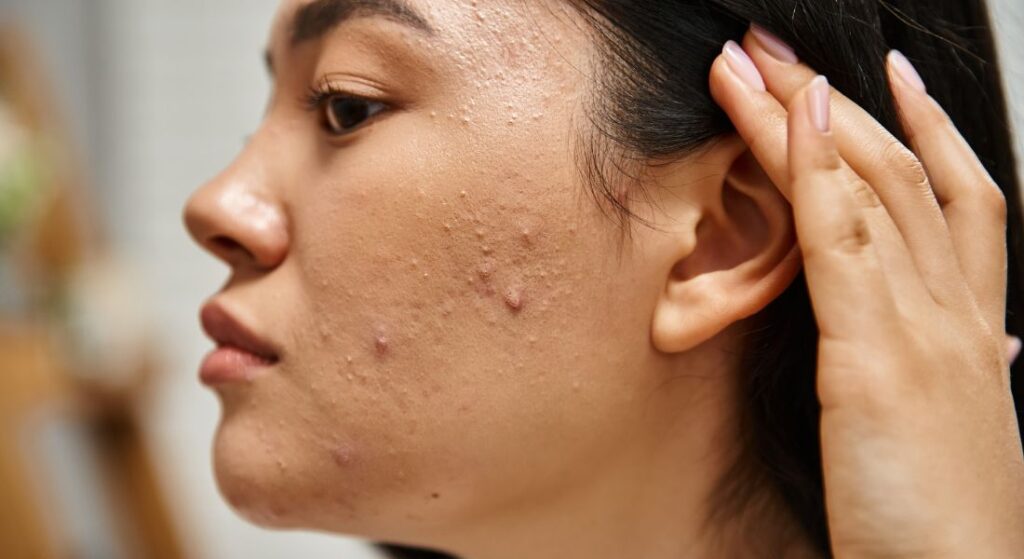
If you’re struggling with ongoing acne breakouts, you’ve probably heard a lot about CO2 laser treatments especially how well they work for acne scars. But what if your acne is still active? Can CO2 laser help reduce current breakouts? Can it calm inflammation, shrink oil glands or prevent future spots from forming?
These are great questions, and you’re not alone in asking them. Many people assume CO2 laser is only for scars, not active acne. And while CO2 laser is indeed considered the gold standard for acne-scar resurfacing, it also influences the skin in ways that can potentially affect breakouts. However, the relationship between CO2 laser and active acne is more complex than people realise.
In this full guide, I’ll walk you through what CO2 laser can and cannot do for active acne. I’ll explain the science behind how it interacts with the skin, when it may help reduce breakouts, when it’s not advisable and how it fits into a complete acne-management plan. My aim is to give you realistic expectations, so you can decide whether CO2 laser is the right step for you.
What Exactly Does CO2 Laser Do?
To understand whether CO2 laser helps active acne, you first need to understand how it works. Carbon dioxide (CO2) lasers are ablative lasers, meaning they remove very thin layers of skin in a controlled way.
CO2 laser works by:
– delivering targeted thermal energy
– resurfacing damaged skin layers
– stimulating collagen production
– triggering tissue regeneration
– tightening and smoothing the surface
CO2 lasers are powerful resurfacing tools. They excel at:
– deep acne scars
– boxcar scars
– rolling scars
– texture issues
– enlarged pores
– deep lines and wrinkles
– sun damage
But when it comes to active acne, the story becomes more nuanced.
Active Acne vs. Acne Scars: Why Treatment Differs
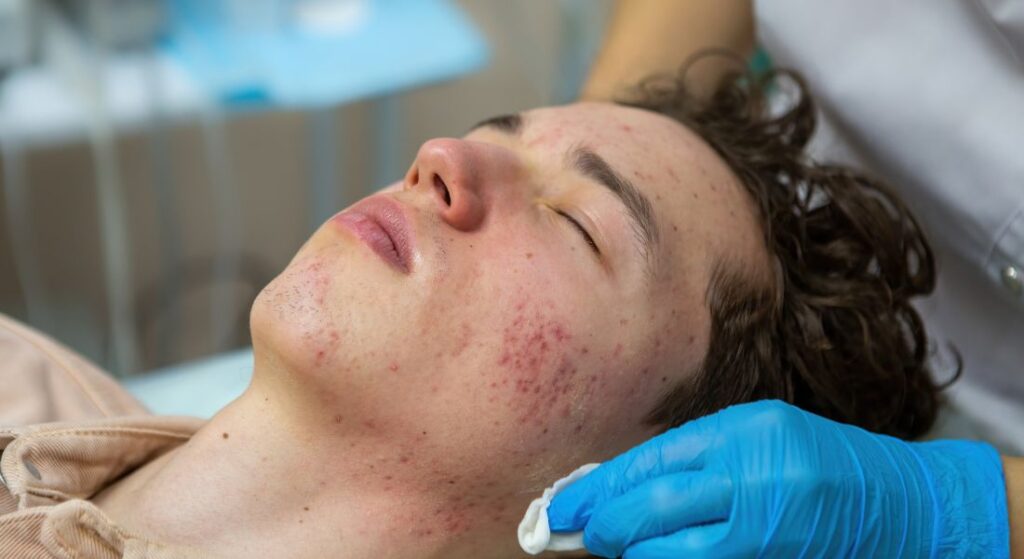
Many people confuse acne scars with active acne, but they are completely different skin concerns.
Active acne includes:
– whiteheads
– blackheads
– papules
– pustules
– nodules
– cysts
These are inflammatory lesions caused by:
– clogged pores
– bacterial overgrowth
– excess oil production
– hormonal changes
– inflammation
Acne scars include:
– depressions
– indentations
– textural irregularities
– dark marks (post-inflammatory pigmentation)
– atrophic scars
CO2 laser is designed to treat texture irregularities not inflammation inside clogged pores.
So, while a CO2 laser can help after acne has healed, its role in managing ongoing acne requires a more careful approach.
Can CO2 Laser Reduce Active Acne? The Honest Answer
Let’s get straight to the point.
– CO2 laser can help reduce breakouts in a very specific set of circumstances.
– But it is NOT a primary treatment for active acne.
– In some cases it indirectly reduces acne triggers.
– It is not used on skin that has inflamed cysts or pustules.
To understand why, let’s explore how CO2 laser interacts with acne triggers.
How CO2 Laser Might Reduce Active Acne
Although CO2 laser is not a frontline acne treatment, it does influence the skin in ways that may reduce breakouts particularly in people with chronic, stubborn acne.
Here’s how:
1. CO2 Laser Shrinks Oil Glands
One of the biggest triggers for acne is excessive sebum production. Overactive sebaceous glands create the perfect environment for clogged pores.
CO2 laser heat can:
– reduce gland size
– lower sebum output
– decrease oiliness
– reduce the likelihood of future clogged pores
This potential oil-reduction effect can help certain individuals, especially those with:
– oily T-zone
– recurring whiteheads
– frequent clogged pores
– persistent shine
However, the reduction is not guaranteed, and results vary greatly from person to person.
2. CO2 Laser Kills Some Surface Bacteria
Propionibacterium acnes (now called C. acnes) thrives in low-oxygen environments deep inside pores.
CO2 laser:
– heats the skin
– exposes bacteria to high temperatures
– reduces bacterial load on the surface
– disrupts the inflammatory cycle
This bacterial reduction is temporary and not as effective as light-based modalities like blue light or photodynamic therapy (PDT). But it may still contribute to fewer breakouts.
3. CO2 Laser Improves Skin Texture & Pore Structure
Large, irregular pores trap more oil and dead skin cells.
CO2 laser can:
– shrink pores
– encourage smoother skin
– reduce crater-like indentations
– prevent micro-comedones from forming
This structural improvement helps reduce new breakouts over time.
4. CO2 Laser Helps Remove Damaged Skin Layers
By removing superficial layers:
– clogged pores open
– dead skin buildup clears
– keratin plugs are reduced
– inflammation settles
– the skin becomes more receptive to topical treatments
This resurfacing effect can indirectly make acne easier to manage.
5. CO2 Laser Reduces Chronic Inflammation
Acne is fundamentally an inflammatory condition.
CO2 laser triggers a healing cascade that:
– replaces damaged tissue
– reduces chronic skin inflammation
– promotes healthier skin turnover
This may help reduce the severity of ongoing acne for some individuals.
But… CO2 Laser Is Not Recommended During Active Breakouts
Despite the benefits above, treating inflamed acne lesions with CO2 laser comes with risks.
Here are the issues:
Increased inflammation
CO2 laser is ablative, so if used over inflamed cysts or pustules, it can worsen irritation.
Higher risk of post-inflammatory hyperpigmentation
Especially for medium to darker skin tones.
Higher risk of infection
Open acne lesions combined with open laser wounds increase the chance of infection.
Reduced accuracy
Laser energy does not transmit evenly across inflamed tissue.
Higher discomfort
Active acne areas are more sensitive and painful during resurfacing.
Because of these risks, most specialists avoid fractional CO2 laser until acne is well-controlled.
Who Might Benefit from CO2 Laser for Active Acne?
CO2 laser is most helpful for people with certain acne profiles.
You may benefit if:
your acne is mild
– you mostly have whiteheads or blackheads
– you have occasional papules, but not severe cysts
– your main issue is texture plus mild breakouts
– your oil glands are consistently overactive
– you have chronic congestion
– your skin tolerates laser treatments well
– you are working with a clinic experienced in acne management
In these situations, CO2 laser can serve as a supportive treatment for improving skin quality.
But it must be done carefully, and often in combination with other acne therapies.
Who Should NOT Have CO2 Laser for Active Acne?
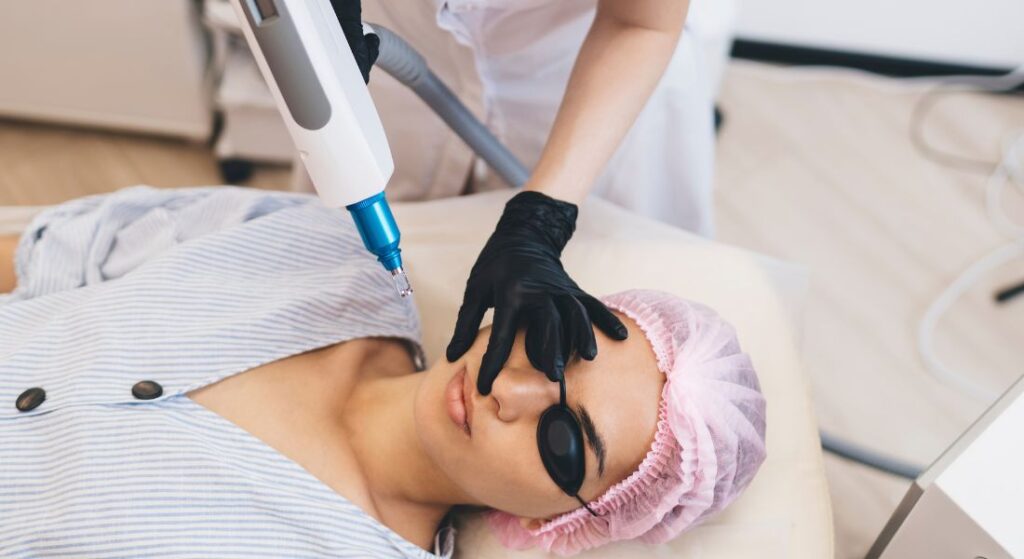
You should avoid CO2 laser until your acne is controlled if you have:
– cystic acne
– nodular acne
– inflamed pustules
– widespread irritation
– uncontrolled hormonal acne
– active eczema or dermatitis
– highly sensitive skin
– severe oil imbalance
– a tendency for keloids
In these cases, CO2 laser can worsen inflammation and increase scarring risk.
CO2 Laser vs. Other Treatments for Active Acne
Let’s compare CO2 laser with genuine frontline acne treatments.
1. Blue Light Therapy
– Great for surface bacterial reduction
– Helpful for mild to moderate acne
– Doesn’t address scarring
2. Photodynamic Therapy (PDT)
– Strong anti-bacterial effect
– Shrinks oil glands
– Ideal for stubborn acne
– Requires downtime
3. Chemical Peels
– Helps clear clogged pores
– Reduces inflammation
– Improves scarring over time
– Must be repeated regularly
4. Retinoids (topical)
– Gold standard for acne
– Prevent clogged pores
– Reduce inflammation
– Can be irritating
5. Oral Acne Medication
– Targets systemic inflammation
– Regulates oil
– Helps severe acne
– Requires prescription
Where CO2 Laser Fits In
CO2 laser is best used after your acne is stable, not during major flare-ups.
It’s ideal for treating:
– scarring
– enlarged pores
– stubborn texture
– redness
– pigmentation
It is not a replacement for medical acne treatment.
How to Prepare for CO2 Laser If You Still Have Some Breakouts
If your acne is mostly controlled but you still have occasional spots, here’s how to prepare:
1. Follow a Pre-Laser Skincare Plan
Your specialist may recommend:
– retinoids
– benzoyl peroxide
– azelaic acid
– niacinamide
– gentle exfoliants
– salicylic acid
– antibacterial washes
The goal is to reduce active lesions before treatment.
2. Reduce Oil Gland Activity
This may include:
– topical retinoids
– low-dose isotretinoin
– hormonal treatments
– prescription creams
– lifestyle adjustments
These support better laser outcomes.
3. Avoid Picking or Squeezing Spots
Open acne wounds are unsafe for CO2 laser.
4. Treat Inflammation First
Your skin should be calm, stable and mostly free of pustules before undergoing CO2 resurfacing.
What Happens If You Have CO2 Laser on Mild Active Acne?
Some people do have CO2 laser while they have mild acne not severe.
Here’s what you might experience:
– Temporary reduction in oiliness: Heat shrinks glands.
– Reduction in congestion: Surface keratin plugs loosen.
– Smoother skin texture: Resurfacing removes damaged outer layers.
– Improvement in pigmentation: Dark marks fade.
– Less noticeable shallow scars: Skin appears fresher and more even.
– Temporary flare-ups: Inflammation may increase for 1–2 weeks after treatment.
– Dryness: Skin may peel or feel tight.
– Redness: Can last weeks depending on the depth.
Best Type of Laser for Active Acne (Not CO2 Laser)
If your acne is currently active, other laser modalities are more appropriate:
1. Nd:YAG Laser (Non-Ablative)
– Reduces inflammation
– Helps stubborn acne
– Minimal downtime
2. Blue/Red Light Therapy
– Kills acne bacteria
– Ideal for mild breakouts
– Zero downtime
3. Laser Genesis
– Reduces redness
– Minimises inflammation
– Supports barrier repair
4. Diod laser for sebaceous glands
– Targets oil production directly
5. Photofacial (IPL)
– Helps post-inflammatory redness
– Supports even skin tone
What to Expect if You Combine Acne Treatment with CO2 Laser
The best outcomes often come from combination therapy, such as:
– retinoids + CO2
– peels + CO2
– antibiotics + CO2
– blue light + CO2
– CXL + CO2 (rare combination in acne patients)
– deep cleansing facials + CO2
– lymphatic drainage + CO2
– fractional laser + CO2
The order and timing must be managed by your clinician.
Recovery Considerations

If you undergo CO2 laser while still having occasional acne, here’s what recovery may look like:
Days 1–7:
– redness
– swelling
– crusting
– peeling
– tightness
Days 7–14:
– dryness
– pink tone
– gradual improvement
Weeks 3–6:
– clearer texture
– reduced pores
– improved tone
– possible reduction in oiliness
Months 2–6:
– smoother scars
– better clarity
– improved long-term skin structure
Long-Term Benefits for People with Mild Acne
If used appropriately, CO2 laser may provide:
– fewer clogged pores
– less oil production
– better skin texture
– smoother appearance
– fewer combined acne + scar issues
– improved confidence
But again, this is not guaranteed and varies widely.
Frequently Asked Questions:
1. Can CO2 laser be used on active acne?
CO2 laser can be used on very mild active acne, but it is generally not the primary treatment for breakouts. The laser is designed mainly for resurfacing the skin, improving texture and reducing scars rather than addressing inflamed pimples or cysts. When the acne is mild, consisting mostly of blackheads or whiteheads, the laser’s heat may help reduce oiliness and improve the clarity of the skin. However, if the acne is inflamed, with pustules or cysts, CO2 laser is usually avoided because it can worsen irritation and increase the risk of complications. Dermatologists typically recommend waiting until acne is medically controlled before performing CO2 resurfacing.
2. How does CO2 laser affect oil glands?
The CO2 laser works by delivering thermal energy deep into the skin, which can partially shrink overactive sebaceous glands. When these glands reduce in size, they produce less oil, which may lead to fewer clogged pores and a decrease in mild breakouts over time. This effect, however, is not guaranteed, and results vary widely based on skin type and the severity of acne. The reduction in oil production may last for months in some individuals, but others may notice only temporary changes. Because of this variability, the CO2 laser is not considered a reliable solution for controlling excess sebum on its own.
3. Can CO2 laser kill acne-causing bacteria?
CO2 laser can reduce the presence of acne-causing bacteria on the skin’s surface due to heat exposure. The high-energy pulses raise the temperature of the superficial layers, making the environment less favourable for the growth of C. acnes bacteria. However, this antibacterial effect is short-lived and not nearly as strong as what you would get from blue light therapy or photodynamic therapy. While temporary bacterial reduction may help some people experience fewer breakouts immediately after treatment, it is not enough to manage ongoing active acne without additional treatment support.
4. Is CO2 laser safe for people with cystic or nodular acne?
CO2 laser is not considered safe for people with cystic or nodular acne because these lesions are deep, inflamed and sensitive. The laser’s ablative nature can aggravate inflammation and increase the risk of scarring or pigmentation issues. Treating cystic acne requires medical intervention such as oral medications, hormonal therapy or prescription-strength topicals. Attempting to treat it with CO2 laser may not only be ineffective but can also worsen the condition. Dermatologists typically recommend stabilising severe acne first and then using CO2 laser later for residual scars.
5. Can CO2 laser prevent future breakouts?
While CO2 laser is not designed as a preventative acne treatment, it can indirectly help reduce the likelihood of future breakouts in some individuals. By improving skin texture, shrinking enlarged pores and removing damaged outer layers, the skin becomes less prone to congested pores. Additionally, the partial reduction in oil gland activity may contribute to a healthier skin environment. Despite these potential benefits, CO2 laser should never be relied on as the primary method for preventing acne. Most dermatologists recommend ongoing topical treatments or medications alongside laser therapy for long-term acne control.
6. What happens if CO2 laser is performed on skin with mild active acne?
If CO2 laser is performed on skin with mild active acne, many people experience improvements in texture, reduced pigmentation and a temporary decrease in oiliness. The resurfacing effect also helps remove dead skin buildup and makes the skin more receptive to acne-fighting treatments afterward. However, the healing period may include temporary flare-ups, increased redness and sensitivity as the skin recovers. While some long-term improvements are possible, results depend heavily on how well the acne is controlled before the procedure and how carefully aftercare is followed.
7. How long should I wait after my acne clears before getting CO2 laser?
Dermatologists generally recommend waiting until your acne has been consistently stable for several weeks before undergoing CO2 laser treatment. The skin should show minimal inflammation, with very few active lesions, to ensure the safest outcome. Performing the laser too soon, when acne is still fluctuating, increases the chance of irritation, hyperpigmentation and slower healing. By waiting until the skin is calm, the laser can focus on improving scars, texture and pigmentation without disrupting ongoing inflammation.
8. Is CO2 laser better than other acne treatments?
CO2 laser is not better than traditional acne treatments when it comes to targeting active breakouts. Treatments such as retinoids, antibiotics, hormonal therapy, blue light therapy and chemical peels are far more effective at reducing inflammation and preventing new pimples. CO2 laser excels in treating the aftermath of acne, particularly scarring, enlarged pores and uneven skin texture. It serves best as a secondary treatment after acne is well-controlled, rather than replacing medical therapies designed to stop active breakouts.
9. What signs indicate that I am a good candidate for CO2 laser?
You may be a good candidate for CO2 laser if your acne is mostly under control but you struggle with lingering texture issues, shallow scars or enlarged pores. People who have mild, non-inflammatory breakouts occasionally can also undergo the treatment with proper care. Ideal candidates have realistic expectations, healthy skin resilience and a willingness to follow pre- and post-treatment instructions. If your acne is active or inflamed, you would likely need medical treatment first before considering CO2 laser resurfacing.
10. What kind of results can I expect from CO2 laser if I still get occasional acne?
If you still get occasional mild acne, CO2 laser can significantly improve your skin’s smoothness, clarity and overall texture. Many individuals notice fewer clogged pores, reduced oiliness and a more refined surface after the healing period. Over the long term, the skin tends to appear brighter and more even-toned, and any shallow scars may become less noticeable. However, occasional breakouts may still occur, and you will need a consistent skincare or medical routine to keep acne under control. The laser enhances overall skin quality but does not eliminate acne entirely.
Final Thought: CO2 Laser for Acne
CO2 laser treatment can be a powerful option for improving acne scars, smoothing uneven texture and refreshing the overall appearance of your skin. However, it’s important to remember that this laser is not designed to target active breakouts. If your acne is still inflamed or unpredictable, most dermatologists will first focus on stabilising the skin with medical treatments. Once your acne is under control, CO2 laser can deliver much more predictable, long-lasting results by remodelling the skin and stimulating new collagen.
For many people, combining proper acne management with CO2 resurfacing creates the best long-term outcome, especially if scars or persistent roughness remain. If you’d like to find out whether CO2 laser acne scar clinic in London is suitable for you, feel free to contact us at London Medical & Aesthetic to arrange a consultation.
Reference:
1. Avdulaj A., et al. (2025). Fractional CO2 Laser Resurfacing for Acne Scar Treatment. [Journal Name]. https://www.mdpi.com/3042-6774/1/1/2
2. Arsiwala S.Z., et al. (2019). Fractional CO2 Laser: Optimising Treatment Outcomes for Pigmented Atrophic Acne Scars in Skin of Colour. [Journal Name, MDPI-hosted]. https://pmc.ncbi.nlm.nih.gov/articles/PMC6676816/
3. Jih M.H., et al. (2007). Laser Treatment of Acne Vulgaris. British Journal (or relevant journal). https://pmc.ncbi.nlm.nih.gov/articles/PMC2884837/
4. Hedelund L., Haak C.S., Togsverd-Bo K., Bogh M.K., Bjerring P. & Haedersdal M. (2012). Fractional CO2 laser resurfacing for atrophic acne scars: a randomized controlled trial with blinded response evaluation. https://pubmed.ncbi.nlm.nih.gov/22766970/
5. Tierney, E.P. & Kouba, D.J. (2022) Laser and Light-Based Therapies for Acne Scarring: A Comprehensive Review. J. Clin. Med., 11(4), 1032. Available at: https://www.mdpi.com/2077-0383/11/4/1032