


If you have a hypertrophic or raised scar, you may have spent a long time searching for treatments that can actually flatten, soften and improve its appearance. Raised scars often feel firm, tight, itchy or uncomfortable, and they can be a daily reminder of surgery, injury or trauma. Many people wonder whether CO₂ laser can help smooth these scars or whether it’s only suited for indented or textured marks. The good news is that CO₂ laser is one of the most effective modern treatments for hypertrophic scars when used correctly.
In this guide, I’ll walk you through how CO₂ laser works on raised scars, how it differs from keloid management, what kind of improvement is realistic and when you may benefit from combination treatments. My goal is to help you feel informed, confident and prepared when choosing the best option for your skin.
Understanding Hypertrophic and Raised Scars
Before discussing treatment options, it’s important to understand what hypertrophic scars are and why they form. A hypertrophic scar develops when the body produces an excess of collagen during the wound-healing process. Rather than forming smooth, flexible tissue, the skin creates thick, raised, and sometimes rigid scar tissue. These scars can appear pink, red, or darker than the surrounding skin and often feel firm or rubbery to the touch. They may also cause itching or a sensation of tightness, particularly in areas where the skin is under tension.
Hypertrophic scars are distinct from keloids, as they remain confined within the boundary of the original wound and do not grow beyond it. They can form anywhere on the body but are especially common in areas subjected to higher tension, such as the chest, shoulders, and joints. Recognising the difference between hypertrophic scars and keloids is crucial when deciding on the most appropriate treatment, as CO₂ laser can be highly effective for managing hypertrophic scars but may need to be combined with other therapies for optimal results in more aggressive or unusual scar types.
How CO₂ Laser Works for Raised Scars
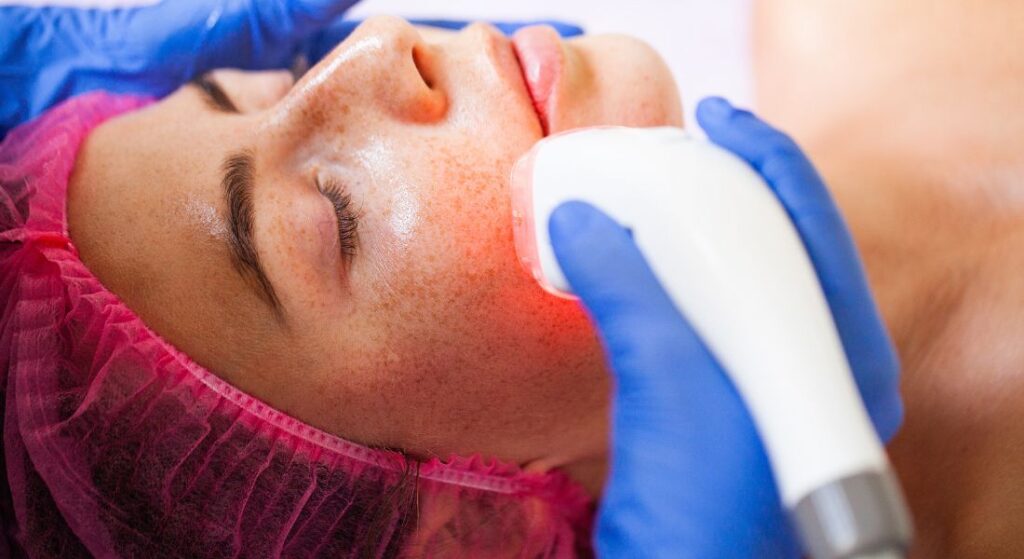
CO₂ laser is a fractional ablative laser, which means it creates thousands of microscopic columns in the skin. These tiny controlled injuries stimulate healing, break down thick scar tissue and trigger collagen remodelling.
When treating raised scars, CO₂ laser achieves several things at once:
1. Resurfacing the scar surface – The laser smooths the outer layer of the scar, softening rough or firm areas.
2. Breaking down thick fibres – Hypertrophic scars contain dense collagen fibres. CO₂ laser breaks these down so new collagen can form more evenly.
3. Tightness reduction – Many raised scars feel tight and restrict movement. CO₂ laser helps improve flexibility.
4. Normalising colour – Redness or dark pigmentation can fade over multiple sessions.
5. Stimulating new collagen – The skin begins forming healthier collagen that improves elasticity and texture.
The result is a scar that looks flatter, feels softer and blends more naturally into surrounding skin.
How Effective Is CO₂ Laser for Hypertrophic Scars?
Most people see 40–70% improvement in the appearance and feel of hypertrophic scars after a series of CO₂ laser sessions. The treatment can significantly enhance the scar’s overall texture, thickness, flexibility, and colour, helping it blend more naturally with the surrounding skin. While it may not completely erase the scar or make it perfectly flat, the results are often noticeable and provide a considerable boost in confidence.
The degree of improvement depends on several key factors.
– The age of the scar matters because older scars tend to be firmer and more established, so they may require more sessions to soften, while newer scars are usually more responsive to treatment.
– Skin type affects how the laser interacts with tissue; for example, thicker or darker skin may need a gentler approach to avoid pigmentation changes.
– Scar location is important as areas under tension or frequent movement may take longer to heal and show results more slowly.
– Severity and thickness of the scar influence how much tissue needs remodeling, with thicker, raised scars often requiring multiple sessions for optimal improvement.
– Number of sessions plays a role because progressive treatments allow the laser to gradually break down scar tissue and stimulate new collagen.
– The presence of pigmentation can affect the visual outcome, as dark or red scars may require additional sessions or combined therapies to achieve even colour. Lastly,
– whether the scar is stable or still forming matters because actively forming scars may continue changing, so treatment timing should be carefully planned to maximise results.
Hypertrophic Scars vs Keloid Scars: Why the Difference Matters
Many people confuse hypertrophic scars with keloids, but understanding the difference is important because they respond very differently to treatment. Hypertrophic scars stay within the boundaries of the original wound and often improve with CO₂ laser, especially when combined with steroid injections, becoming flatter, softer, and more flexible over time. Keloid scars, on the other hand, grow beyond the wound boundaries, tend to recur without aggressive treatment, and usually require medical interventions such as steroid injections, pressure therapy, or other specialised approaches. CO₂ laser can still be used on keloids, but it must be applied cautiously, and your clinician may recommend a tailored plan or combine the laser with medication to reduce the risk of recurrence.
Which Raised Scars Respond Best to CO₂ Laser?
CO₂ laser can treat many types of hypertrophic scars effectively. Here are the most common:
Surgical scars: Surgical scars can result from a variety of procedures, including C-sections, breast surgery such as augmentation, reduction, or lift, abdominal operations like appendix, gallbladder, or hernia surgery, joint surgeries on the knee, shoulder, or hip, and facial procedures such as facelifts or eyelid surgery. Raised surgical scars tend to respond particularly well to treatment because their thickness is localised and well-defined, allowing targeted therapies like CO₂ laser to effectively improve texture, flatten the scar, and promote better blending with surrounding skin.
Trauma scars: Trauma scars, which develop from injuries, burns, cuts, or lacerations, often become raised and may feel firm or uneven. CO₂ laser treatment can effectively target these scars by softening the tissue, flattening raised areas, and improving overall texture. Over a series of sessions, the laser stimulates collagen remodelling, helping the scar blend more naturally with the surrounding skin and enhancing both appearance and flexibility.
Burn scars: Burn scars are often highly textured, rigid, and can feel tight, making movement uncomfortable in some areas. CO₂ laser treatment works by carefully resurfacing the scar tissue, stimulating collagen remodelling, and gradually improving flexibility and smoothness. Over multiple sessions, this approach helps reduce thickness, soften the scar, and create a more even texture, allowing the skin to move more naturally and blend better with the surrounding areas.
Stretching-related hypertrophy: Stretching-related hypertrophic scars occur in areas where the skin was under tension, such as after surgery or rapid skin expansion, and often result in thick, raised scar tissue. CO₂ laser treatment can help by targeting these dense areas, breaking down excess collagen, and promoting new, more organised tissue growth. Over a series of sessions, this process gradually restores a smoother texture, softens the scar, and improves its overall appearance, allowing it to blend more naturally with the surrounding skin.
How Many CO₂ Laser Sessions Are Needed for Raised Scars?
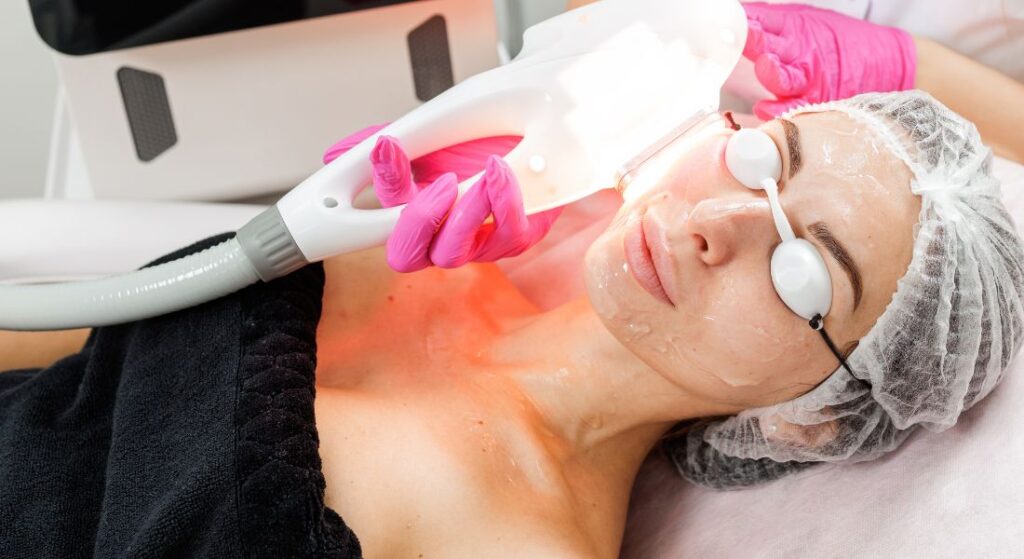
The number of CO₂ laser sessions needed for raised scars varies depending on the type, severity, and age of the scar. For mild hypertrophic scars or small surgical or trauma scars, 1–2 sessions are often sufficient to achieve noticeable improvement. Moderate hypertrophic scars, which may have more noticeable thickness or firmness, usually require 3–4 sessions to see significant changes.
For severe or long-standing hypertrophic scars, burn scars, or scars under tension, 4–6 sessions or more may be needed. Older, firm, and raised scars that have been present for several years often respond more gradually, but improvements continue for up to six months after each session as collagen remodelling progresses. This gradual process helps soften the scar, flatten raised areas, and improve overall texture and flexibility over time.
What CO₂ Laser Cannot Do
While CO₂ laser can deliver impressive improvements in the appearance and feel of scars, it does have certain limitations. It cannot completely erase a scar, so some faint visibility may remain even after treatment. The laser also cannot prevent new scars from forming on future wounds, and very thick keloids often require additional medical interventions beyond laser treatment to achieve meaningful results.
Additionally, CO₂ laser works primarily on the surface of the skin, improving texture, flexibility, thickness, and colour, but it cannot fundamentally change the underlying skin structure. Managing expectations is therefore essential: the goal is noticeable and meaningful improvement rather than perfection. Understanding these limitations helps patients make informed decisions and approach treatment with realistic goals for a more natural, refined outcome.
What to Expect During a CO₂ Laser Session
Knowing what to expect during a CO₂ laser session can help you feel more comfortable and prepared. From preparation to recovery, understanding each step ensures a smoother experience and realistic expectations.
Before the session: Your skin is cleansed and numbed with topical anaesthetic. Some raised scars also receive steroid injections beforehand for enhanced results.
During treatment: The laser delivers tiny micro-beams into the scar. You may feel warm prickling, but numbing helps keep the session comfortable.
After treatment: After CO₂ laser treatment, it is normal to experience temporary side effects such as redness, swelling, warmth, or bronzing and crusting of the treated area, which can last for several days. These reactions are part of the skin’s natural healing process as it remodels and regenerates. Most people are able to return to their normal daily activities within a week, although the skin may continue to improve in texture and appearance over the following weeks as collagen remodelling progresses.
The Healing Process for Raised Scars
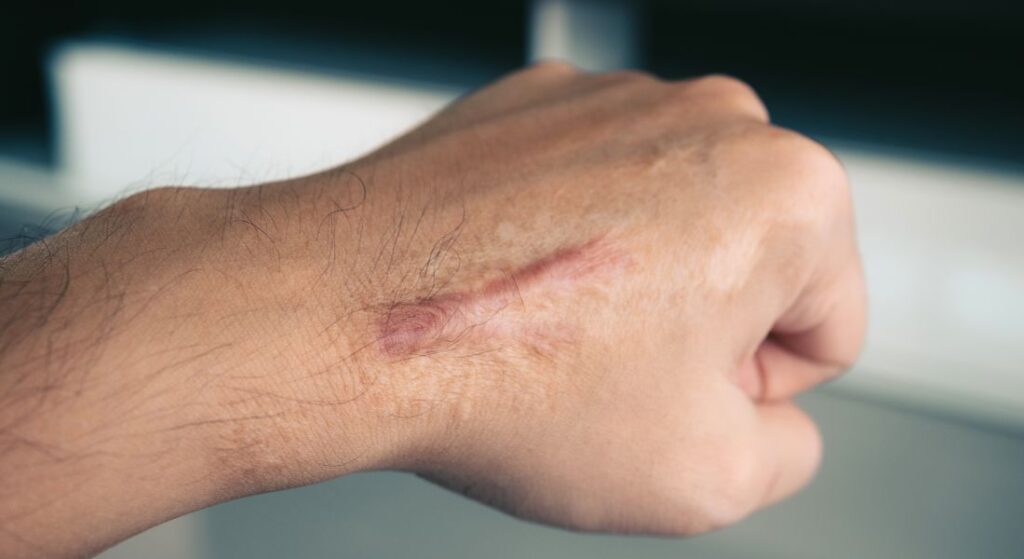
Understanding the healing process after CO₂ laser treatment helps you know what to expect at each stage. Raised scars improve gradually over time, and recognising the typical changes can make the recovery period less worrying and more manageable.
Days 1–3 – Redness, mild swelling and sensitivity. This is normal as the scar begins to remodel.
Days 3–7 – Bronzing, dryness and tiny crusts form. The skin gradually flakes away.
Weeks 2–6 – Your scar becomes softer and more pliable. Redness begins to fade.
Months 2–6 – Collagen continues rebuilding. You’ll notice gradual improvement in texture and height.
Patience is key raised scar treatment is a long-term process with progressive gains.
Why Combination Treatments Are Often Recommended
For hypertrophic scars, combination therapy often produces the best outcomes. Your clinician may recommend:
Steroid injections (Triamcinolone) – Reduces thickness and inflammation.
Vascular lasers – Treat redness and broken vessels around the scar.
Silicone gel or sheets – Helps soften scars between sessions.
Microneedling or RF microneedling – Improves surface texture.
Pressure therapy – Used for stubborn scars under tension.
Massage and scar creams – Encourages softness and flexibility.
The right combination is unique to your scar’s characteristics.
Why Early Treatment Improves Results
Hypertrophic scars form when collagen overproduction continues for months after an injury, leading to thick, raised tissue. Early intervention with CO₂ laser can disrupt this abnormal cycle and prevent the scar from becoming more pronounced. Starting treatment around 8–12 weeks post-surgery can significantly reduce future thickness, and initiating therapy within the first year often produces the strongest results. Even older scars can respond to laser treatment, though they may require more sessions. For newly forming scars that are noticeably thick, early CO₂ laser treatment may help avoid the need for more aggressive therapies later.
Long-Term Results: What You Can Expect
When treated correctly, hypertrophic scars can show significant long-term improvements. Patients often notice flattening of raised areas, a softer texture, increased flexibility, reduced redness, and better blending with the surrounding skin. These changes continue even after the final session, as CO₂ laser stimulates ongoing collagen remodelling that strengthens and refines the scar over time. As the scar becomes less visible and more pliable, many people feel more confident wearing certain clothing, participating in social activities, and touching the area without discomfort, enhancing both appearance and quality of life.
FAQs:
1. How soon after surgery or injury can I start CO₂ laser treatment?
CO₂ laser treatment is usually recommended once the wound has fully healed and the scar is stable, which is often around 8–12 weeks after surgery or injury. Starting early allows the laser to work while collagen is still actively being produced, helping to prevent the scar from becoming overly thick. However, older scars can also respond to treatment, although they may require more sessions to achieve noticeable improvement. Your clinician will assess the scar’s maturity and stability to determine the best timing for your first session.
2. Is CO₂ laser treatment painful?
Most patients experience only mild discomfort during CO₂ laser sessions. Before treatment, the skin is numbed with a topical anaesthetic, which significantly reduces any sensation. During the procedure, you may feel a warm prickling or tingling as the laser micro-beams target the scar tissue, but this is generally tolerable. After the session, temporary redness, swelling, or crusting is normal and part of the skin’s natural healing process, typically resolving within a few days.
3. How long does it take to see results from CO₂ laser treatment?
Improvements from CO₂ laser treatment develop gradually over weeks and months. Initial softening and slight flattening of the scar can be noticed after the first session. Over the following two to six months, as collagen continues to remodel, the scar’s texture, flexibility, and colour typically improve further. Full results are usually apparent several months after completing all recommended sessions, and additional treatments can be planned based on ongoing progress.
4. Can CO₂ laser completely remove a scar?
No scar treatment, including CO₂ laser, can make a scar completely disappear. The goal of treatment is to improve the appearance of the scar, making it flatter, softer, more flexible, and better blended with surrounding skin. While the scar may still be faintly visible, most patients experience significant improvement that enhances comfort, confidence, and overall aesthetic appearance. Understanding this helps manage expectations before starting therapy.
5. Are there any risks or side effects with CO₂ laser?
CO₂ laser is generally safe when performed by a trained clinician, but temporary side effects can occur. Common effects include redness, swelling, warmth, bronzing, or mild crusting at the treated site. These reactions are part of the normal healing process and typically resolve within several days. In rare cases, pigment changes such as temporary darkening or lightening of the skin may occur. Following post-treatment care, such as avoiding direct sun exposure and using recommended creams, helps minimise these risks and promotes optimal healing.
6. Can CO₂ laser be used on keloid scars?
CO₂ laser can be applied to keloid scars, but it must be done cautiously. Keloids tend to grow beyond the boundaries of the original wound and have a higher risk of recurrence. Laser treatment is often combined with steroid injections, pressure therapy, or other medical interventions to control growth and improve appearance. Your clinician will evaluate whether CO₂ laser alone or in combination is appropriate for your keloid-prone skin to reduce the chance of recurrence.
7. How many sessions will I need for optimal results?
The number of CO₂ laser sessions depends on the scar’s severity, thickness, age, location, and your skin type. Mild or small scars may improve after one to two sessions, whereas moderate scars often require three to four sessions. Severe, long-standing, burn-related, or tension-prone scars may need four to six sessions or more. Each session gradually remodels collagen, allowing the scar to soften, flatten, and blend more naturally with the surrounding skin over time.
8. Do I need combination treatments along with CO₂ laser?
Many patients benefit from combination therapy alongside CO₂ laser. Treatments such as steroid injections, vascular lasers, silicone gels, microneedling, or pressure therapy may be recommended depending on the scar’s characteristics. These adjunctive therapies help address thickness, redness, texture irregularities, and tension, providing a more comprehensive approach to achieving smoother, softer, and more natural-looking results. Your clinician will tailor the combination specifically to your scar’s type and location.
9. How long does the improvement last?
The improvements from CO₂ laser are long-lasting because the treatment stimulates collagen remodelling, which strengthens and refines the scar over time. While no treatment prevents new scars from forming on future injuries, most patients experience lasting softening, flattening, and colour improvement. Regular follow-up appointments allow your clinician to monitor the scar and recommend touch-up sessions if needed, ensuring the results are maintained over the long term.
10. Can CO₂ laser be used on sensitive areas or on darker skin types?
CO₂ laser can safely treat scars in sensitive areas such as the face, neck, or joints, as well as on darker skin types. Treatment settings are adjusted carefully to avoid complications like pigmentation changes, with lower energy levels used for darker skin. Experienced clinicians consider skin type, scar thickness, and location when planning sessions, ensuring effective treatment while minimising the risk of side effects.
Final Thought: CO₂ Laser for Surgical Scar Improvement
CO₂ laser is a highly effective option for improving the appearance, texture, and flexibility of surgical scars, whether they are from C-sections, facelifts, breast surgery, or trauma. While no treatment can completely erase a scar, CO₂ laser can make scars less noticeable, smoother, and more harmonious with the surrounding skin. Timing, number of sessions, and personalised care all play a role in achieving the best results.
If you’re thinking about CO2 laser treatment for scar revision in London and want professional guidance, you can contact London Medical & Aesthetic Clinic to schedule a consultation. Their experts can assess your scar type and develop a tailored treatment plan to help you achieve the most natural, long-lasting improvement.
References:
1. Klosová, H., Xinopulos, P. & Zálešák, B. 2021, ‘Fractional CO₂ laser therapy of hypertrophic scars evaluation of efficacy and treatment protocol optimisation’, Acta Chirurgiae Plasticae, vol. 63, no. 4, pp. 171–180. https://pubmed.ncbi.nlm.nih.gov/35042360/
2. Elsaie, M.L., Elsaaiee, M.L. et al. 2025, ‘Fractional carbon dioxide laser treatment of hypertrophic scar: clinical and histopathological evaluation’, Journal of Dermatology Therapy & Research (or relevant journal), clinical trial involving 30 patients, demonstrating significant clinical and histopathological improvement after fractional CO₂ laser therapy vs. control. https://pubmed.ncbi.nlm.nih.gov/40069407/
3. ‘Fractional CO₂ Laser Treatment for Burn Scar Improvement: A Systematic Review and Meta‑Analysis’, 2020, Burns & Trauma. https://www.sciencedirect.com/science/article/abs/pii/S0305417920305751
4. ‘Fractional CO₂ Laser Therapy for Effective Treatment of Facial Traumatic Hypertrophic Scar’, 2023, Journal of Cosmetic & Laser Therapy. https://pmc.ncbi.nlm.nih.gov/articles/PMC10942100/
5. Lin, C‑H., Tsai, Y‑J., Lin, K‑C., Lin, H‑P. & Hsieh, C‑H. 2024, ‘Comparative Efficacy of Fractional CO₂ Laser Combined with Topical Steroid Cream versus Solution for Post‑Thyroidectomy Scar Treatment’, Healthcare, vol. 12, no. 16, 1605. https://www.mdpi.com/2227-9032/12/16/1605