


CO₂ laser resurfacing is often described as one of the most powerful skin rejuvenation treatments available. If you’re thinking about this procedure, it’s natural to wonder which results will last long-term and which may gradually fade. Understanding this distinction is key to setting realistic expectations and planning your ongoing skin care.
Many people assume that all improvements from CO₂ laser are permanent. In reality, the outcome depends on which part of the skin is being treated and how your skin continues to age afterwards. Some changes are structural and long-lasting, while others are influenced by time, lifestyle, and maintenance habits.
In this article, you’ll learn which skin changes after CO₂ laser tend to be permanent and which are temporary. You’ll also discover why certain results fade, how maintenance plays a role, and how to make the most of your treatment in the long run. Having this clarity helps you approach CO₂ laser with confidence, rather than uncertainty.
How CO₂ Laser Resurfacing Works at a Structural Level
CO₂ laser resurfacing works by delivering controlled thermal energy into your skin. This energy removes damaged surface layers while also stimulating deep collagen remodelling. Essentially, it triggers a natural healing response that gradually improves your skin’s structure over time.
The laser creates microscopic zones of injury within the dermis, which stimulate your fibroblasts to produce new collagen and elastin. This remodelling process continues for months after the treatment, helping your skin become stronger and more resilient.
Because CO₂ laser affects the deeper architecture of your skin, some changes are genuinely long-lasting. That said, not all improvements follow the same biological rules. Understanding this difference helps you know which results are likely to persist and which may need ongoing care.
Skin Changes That Tend to Be Permanent
Some improvements from CO₂ laser are considered long-term or even effectively permanent because the treatment alters your skin’s structural framework, not just its surface. Once this framework is rebuilt, it doesn’t simply disappear.
One of the most durable effects is collagen remodelling. Newly formed collagen fibres improve your skin’s thickness, firmness, and resilience. While collagen naturally declines as you age, the collagen created through laser stimulation becomes a lasting part of your skin.
Certain textural improvements, like the smoothing of deep acne scars, also tend to be permanent. Scar tissue that has been remodelled usually doesn’t return to its previous state, which is why CO₂ laser is considered a gold standard for treating scarring.
Long-Lasting Improvement in Skin Texture
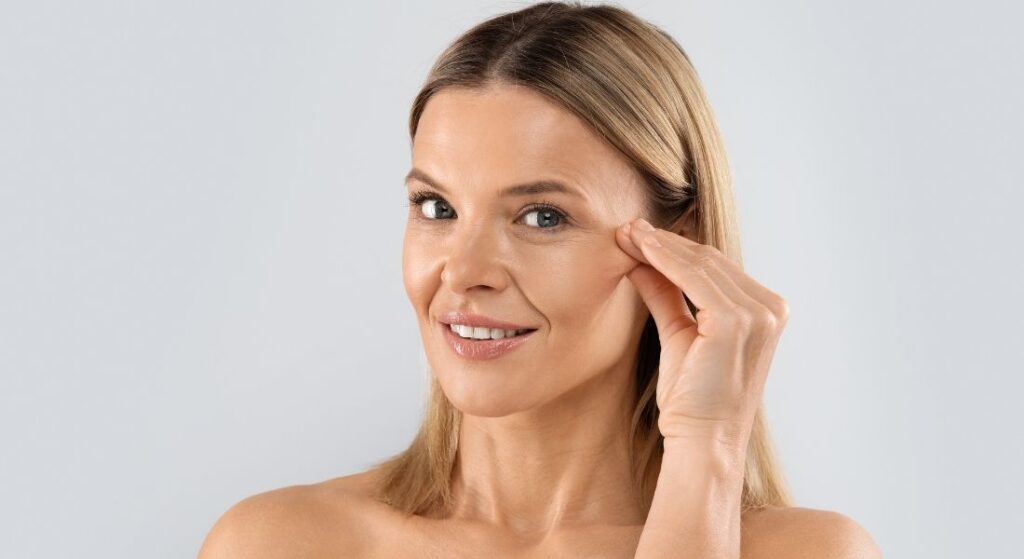
One of the most noticeable and long-term benefits of CO₂ laser treatment is the improvement in your skin’s texture. Roughness, unevenness, and minor surface irregularities are physically smoothed out during the resurfacing process. Once your skin has healed, these improvements generally remain for years.
1. Structural change, not temporary effect: The smoother appearance isn’t just due to short-term swelling or inflammation control it reflects real, lasting changes in the deeper layers of your skin. This is why the texture improvements are so reliable over time.
2. Sustained results despite natural ageing: While normal ageing continues, your skin does not return to its pre-treatment condition. Many patients describe the results as a “reset” to a healthier, more even baseline, rather than just a temporary fix.
3. Skin feels smoother and more resilient: Beyond visual improvement, you may notice your skin feels firmer and more supple. These long-lasting changes are part of why CO₂ laser is highly valued for those seeking enduring results.
With proper post-treatment care, the improvements in skin texture can last for many years, giving your skin a refreshed, smoother, and healthier appearance that continues well beyond the initial healing period.
Reduction in Acne Scars and Surgical Scars
CO₂ laser is particularly effective at improving the appearance of acne scars and certain surgical scars. These types of scars form when collagen in the dermis becomes disorganised, creating uneven or depressed areas in your skin. Laser resurfacing works by breaking down this irregular tissue and stimulating the growth of healthier collagen.
1. Scar tissue is remodelled for lasting improvement: Once the scar tissue has been remodelled, it does not regenerate in the same disorganised way. This is why improvements in acne or surgical scars are often permanent, giving your skin a smoother and more even appearance.
2. Scars may not disappear entirely, but softening is lasting: While CO₂ laser may not completely eliminate scars, it can significantly soften their texture and reduce their visibility. Many patients notice that their scars appear much less noticeable and blend more naturally with surrounding skin.
3. Minimal maintenance needed for scar correction: In most cases, repeat treatments are not required specifically for the scars themselves. However, the surrounding skin continues to age normally, so ongoing skin care and general anti-ageing measures may still be beneficial.
By targeting the structural cause of scars and supporting healthy collagen formation, CO₂ laser provides some of the most durable and satisfying improvements in skin appearance. It’s a treatment that can give you long-term confidence in your skin.
Pigmentation Changes That May Be Long-Term
CO₂ laser can improve many types of pigmentation, but the results can vary depending on your skin type and ongoing sun exposure. Sun-induced pigmentation and superficial discolouration often improve significantly after treatment, and if you protect your skin from UV exposure, these improvements can last for years.
1. Some improvements can be long-lasting: With proper sun protection, pigmentation cleared by CO₂ laser can remain stable over the long term. Regular use of SPF and avoiding excessive sun exposure are key to maintaining these results.
2. Pigmentation is influenced by ongoing factors: Even after successful treatment, new pigmentation may develop due to UV exposure, ageing, or hormonal changes. This means that while some improvements are permanent, ongoing maintenance and lifestyle choices are important.
3. Skin type matters: Patients with darker skin tones or naturally pigment-prone skin require careful assessment before treatment. The risk of uneven pigmentation or post-inflammatory changes is higher, so your specialist may tailor the treatment and aftercare to suit your skin.
4. Aftercare is crucial for lasting results: Long-term success depends on diligent sun protection, skincare routines, and avoiding triggers that can worsen pigmentation. By taking these steps, you can preserve the improvements achieved with CO₂ laser and keep your skin tone more even.
While CO₂ laser can deliver impressive results in reducing pigmentation, maintaining those results over time depends on a combination of professional treatment and proactive care at home. This ensures your skin stays healthier and more even for years to come.
Skin Changes That Are Not Permanent
Not every result from CO₂ laser lasts forever. Some improvements are influenced by natural ageing, lifestyle habits, and ongoing skin care, so they may gradually fade over time.
For example, fine lines caused by repetitive facial movements often soften after treatment. But as you continue to use your facial muscles, these lines can slowly reappear. The laser can’t stop your expressions or the ageing process.
Similarly, while CO₂ laser boosts collagen and firmness, your skin may slowly lose some of that tightness as you age. Knowing this helps you keep realistic expectations and plan the right maintenance for long-term results.
Temporary Reduction in Fine Lines and Wrinkles
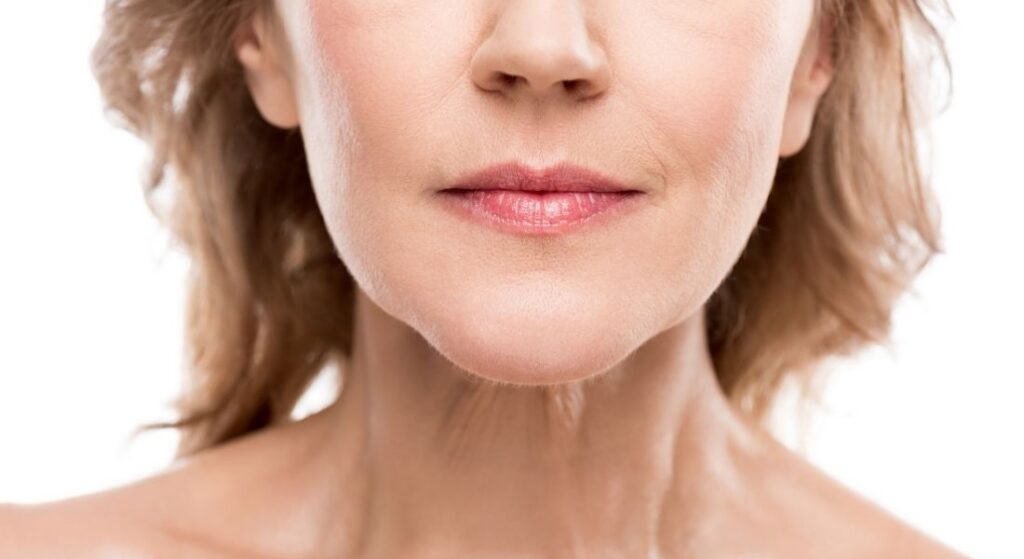
After CO₂ laser, you’ll often notice that fine lines improve thanks to collagen stimulation and skin tightening. The effect can be quite dramatic in the months following your treatment. However, lines caused by ageing will continue to develop over time.
Dynamic wrinkles those influenced by facial movements may gradually reappear. This doesn’t mean the laser has “stopped working”; it simply reflects the natural ageing process. Maintenance treatments can help you keep your skin smooth for longer.
It’s also important to understand that the depth and cause of your wrinkles matter. Structural wrinkles tend to improve more permanently, while superficial or expression-related lines may be less long-lasting. Knowing this helps you plan realistic, long-term results.
Changes in Skin Tightness Over Time
One of the first things you’ll likely notice after CO₂ laser is skin tightening. This comes from collagen contraction and remodelling, giving your skin a firmer, more lifted feel.
Over time, though, natural collagen loss continues. Your skin won’t suddenly become loose again; instead, it ages from its improved baseline. This means you still benefit from the treatment, but you may notice gradual changes a few years down the line.
Lifestyle factors like smoking, sun exposure, and weight fluctuations can influence how long the tightening lasts. Maintaining good skin habits can help extend the effects, and maintenance treatments may support your results even further.
Oil Production and Pore Size Changes
After CO₂ laser, some people notice reduced oiliness and smaller-looking pores. These improvements are usually temporary. They happen because of inflammation and the smoother skin structure created by the treatment not because the sebaceous glands are permanently altered.
Over time, your oil production typically returns to normal, even if pores appear slightly less visible due to the improved skin texture. This is a common misconception that the laser provides permanent oil control.
It’s important to remember that CO₂ laser is not a long-term solution for oily skin. Any benefits in this area are secondary and temporary, so knowing this upfront helps you avoid unrealistic expectations.
Redness and Skin Sensitivity After Healing
After CO₂ laser, it’s normal to experience redness as part of the healing process. While this can last for weeks or even a few months it isn’t permanent. As your skin barrier restores, the redness gradually fades.
You may also notice some temporary sensitivity during recovery. This usually improves as your skin strengthens. Long-term sensitivity is uncommon, especially when the treatment is performed correctly.
Following proper aftercare is key to a smooth recovery. Sticking to your clinician’s guidance helps reduce prolonged redness and supports better overall healing. Remember, recovery is a process it’s not an instant outcome.
The Role of Maintenance Treatments
While CO₂ laser delivers long-lasting improvements, maintenance plays a key role in preserving and enhancing your results over time. Some benefits like scar softening or structural collagen changes are largely permanent, but other effects, such as skin tone, texture, and radiance, can benefit from periodic reinforcement. Maintenance doesn’t mean starting over; it’s about supporting and extending the improvements you’ve already achieved.
1. Lighter resurfacing sessions: Periodic, gentler laser treatments can help maintain smooth texture, even tone, and firmness. These sessions are usually shorter and less intense than your initial treatment but help refresh your skin and prolong the benefits.
2. Skincare and sun protection: Using high-quality skincare products consistently, along with diligent sun protection, helps support collagen health and prevent new pigmentation or surface damage. These steps work alongside your original laser results to keep your skin looking its best.
3. Tailored maintenance plans: Your clinician can recommend a schedule that suits your skin type, ageing pattern, and lifestyle. This personalised approach ensures that your skin continues to look its healthiest and most rejuvenated over the long term.
4. Supports long-term satisfaction: Maintenance treatments, combined with healthy habits, help you enjoy the full benefits of CO₂ laser for years. They reinforce the improvements you’ve already achieved and make it easier to manage the natural effects of ageing.
By combining professional follow-up, gentle maintenance, and consistent home care, you can preserve your results, keep your skin healthier, and maintain the natural, refreshed appearance that CO₂ laser provides.
How Lifestyle Affects Long-Term Results
Your lifestyle choices have a big impact on how long CO₂ laser results last. For example, UV exposure accelerates collagen breakdown and can cause pigmentation to return. That’s why diligent sun protection is absolutely essential after treatment.
Smoking is another factor it reduces oxygen delivery and affects collagen integrity, which can shorten the lifespan of your results. Maintaining a healthy lifestyle helps support the biological changes that the laser has created in your skin.
Consistency in skincare also matters. Gentle cleansing, regular moisturisation, and the right active ingredients help keep your skin healthy. The laser gives you a strong head start, but daily care is what maintains and prolongs those benefits over the long term.
Realistic Expectations for Patients
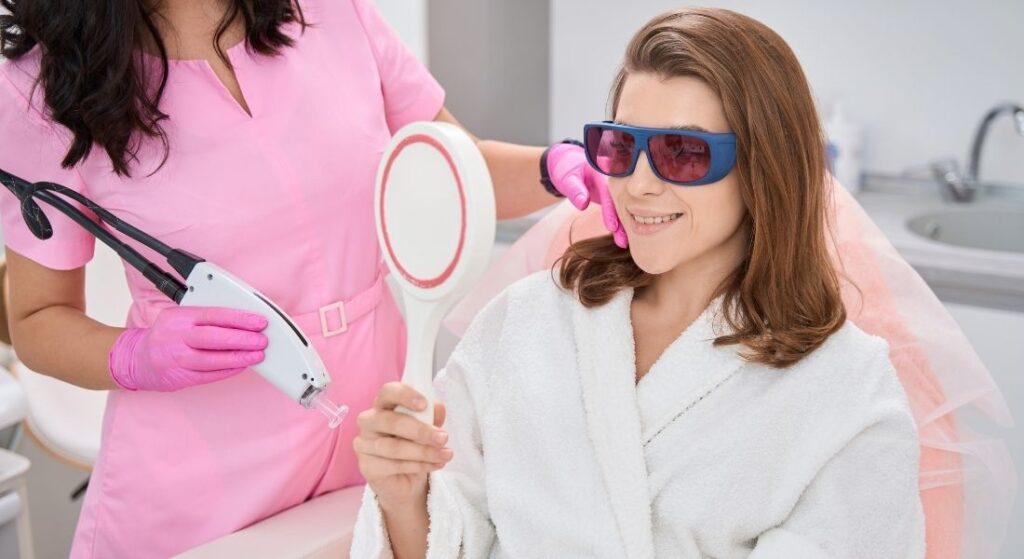
Understanding what results are permanent versus those that need maintenance helps prevent frustration. CO₂ laser delivers powerful, long-lasting improvements, but it doesn’t stop the clock ageing continues, just from a better starting point.
If you approach treatment with realistic expectations, you’re more likely to feel satisfied with your results. Knowing what will last helps you appreciate the improvements you’ve gained and understand the role of future care.
Education is just as important as the treatment itself. When you’re informed, you can make better decisions and enjoy better outcomes. Being transparent about what to expect also helps build trust between you and your clinician.
Who Benefits Most From CO₂ Laser Resurfacing?
You’ll get the most from CO₂ laser if you’re dealing with scarring, sun damage, or textural issues. These concerns respond really well to the structural remodelling that the laser provides, making the improvements more permanent.
Even if you’re looking for a subtle refresh rather than a dramatic transformation, CO₂ laser can be ideal. The gradual, natural improvements align perfectly with how the laser works, and patience really pays off.
Ultimately, individual assessment determines if CO₂ laser is right for you. Your skin type, personal goals, and tolerance all guide the treatment plan. A personalised approach is key to achieving the best and safest results.
FAQs:
1. How long do the results of CO₂ laser resurfacing last?
The results you see from CO₂ laser resurfacing can last for years, especially the structural improvements like collagen remodelling and smoother skin texture. However, your skin will continue to age naturally, so some fine lines or minor wrinkles may gradually return. Occasional maintenance treatments can help you keep the benefits longer.
2. Are all improvements from CO₂ laser permanent?
Not all improvements will last forever. Changes like scar softening and increased skin thickness tend to be long-lasting because they reshape the skin’s structure. On the other hand, temporary improvements such as fine lines, minor pigmentation, and skin tightness may fade over time depending on your lifestyle, sun exposure, and ageing process.
3. Does CO₂ laser completely remove acne scars?
CO₂ laser can make a huge difference to your acne scars, especially deeper ones. While it remodels scar tissue and makes them look softer, it may not remove every mark completely. The improvements are long-lasting, but you’ll still need to protect your skin and follow a good care routine to maintain a smooth appearance.
4. How does CO₂ laser affect pigmentation?
The laser can help reduce pigmentation from sun damage or surface-level discolouration, and you may see these improvements last for years if you keep up with sun protection. That said, new pigmentation can still appear over time due to sun exposure or hormonal changes, so maintaining your results requires ongoing care.
5. Will fine lines and wrinkles return after CO₂ laser?
Some fine lines, especially those caused by facial expressions, can gradually come back after your treatment. CO₂ laser smooths your skin and boosts collagen, giving you a better baseline, but it doesn’t stop the ageing process. Deep wrinkles usually improve more permanently, while expression lines may need touch-ups to stay smooth.
6. How does CO₂ laser affect skin tightness?
You’ll notice tighter skin after CO₂ laser because the treatment stimulates collagen and causes the skin to contract. This effect lasts for a few years, but your skin will continue ageing naturally. Even though some tightening may diminish over time, you’ll still retain significant improvement from the treatment.
7. Is oil production or pore size permanently reduced by CO₂ laser?
You might see a temporary reduction in oiliness and smaller-looking pores after CO₂ laser. These changes happen because the skin is healing and smoother, but your sebaceous glands usually return to their normal activity. So, while your skin may look and feel better for a while, these effects aren’t permanent.
8. What is the role of lifestyle in maintaining CO₂ laser results?
Your lifestyle plays a big role in how long your results last. Wearing sun protection, avoiding smoking, and keeping up with a good skincare routine all help maintain the improvements. The laser gives you a “head start” with structural changes, but how well you care for your skin every day will determine how long you enjoy those benefits.
9. Are multiple treatments required to maintain CO₂ laser effects?
You may not need multiple treatments to get permanent results like scar reduction or collagen stimulation. However, if you want to maintain smoother fine lines, prevent new pigmentation, or address dynamic wrinkles, occasional maintenance sessions can help. Your clinician can guide you on the best plan for your skin.
10. Who is the best candidate for CO₂ laser resurfacing?
CO₂ laser works best if you have scars, sun damage, or textural concerns that you want to improve long-term. It’s ideal if you’re looking for subtle, natural rejuvenation rather than dramatic, instant changes. Your skin type, ageing pattern, and goals will all be considered so the treatment is personalised and safe for you.
Final Thoughts: Planning Your CO₂ Laser Treatment and Expectations
CO₂ laser resurfacing can give you some of the most noticeable and long-lasting improvements in skin texture, scar softening, and collagen rebuilding. While some changes, like fine lines and pigmentation, may need occasional maintenance, the structural benefits you achieve tend to be durable and rewarding. Understanding which results are permanent and which require ongoing care helps you approach your treatment with realistic expectations and confidence.
If you are thinking about CO₂ laser treatment in London, you can reach out to us at the London Medical & Aesthetic Clinic. Our team will guide you through a personalised consultation, discuss your skin goals, and create a tailored plan so that your CO₂ laser journey delivers safe, natural, and long-lasting results. Taking the time to plan and maintain your results will help you enjoy the full benefits of this powerful rejuvenation treatment.
References:
1. Cook, J.L. et al. (2000) Carbon dioxide laser resurfacing. Long‑term follow‑up in 2123 patients, Journal of the American Academy of Dermatology. Available at: https://pubmed.ncbi.nlm.nih.gov/9507801/
2. Alster, T.S. and Graham, P.R. (1998) Long‑term effectiveness and side effects of carbon dioxide laser resurfacing for photoaged facial skin, Dermatologic Surgery. Available at: https://www.sciencedirect.com/science/article/abs/pii/S0190962299704895
3. Tierney, E.P., Hanke, C.W. and Garibyan, L. (2007) Laser skin rejuvenation: epidermal changes and collagen remodeling evaluated by in vivo confocal microscopy, Lasers in Surgery and Medicine. Available at: https://pubmed.ncbi.nlm.nih.gov/22767322/
4. Belletti, S., Madeddu, F., Brando, A., Provenzano, E., Nisticò, S.P., Fusco, I. and Bennardo, L. (2023) Laser impacts on skin rejuvenation: The use of a synergistic emission of CO₂ and 1540 nm wavelengths, Available at: https://www.mdpi.com/1648-9144/59/10/1857
5. Morris, M.X., Gebhardt, S., Tingen, J.N., Dorante, M.I. and Pandya, S. (2025) Laser resurfacing versus chemical peels: A review of current trends and technological advances in nonsurgical facial rejuvenation, Journal of Aesthetic Medicine Available at: https://www.mdpi.com/3042-6774/1/1/5/xml