

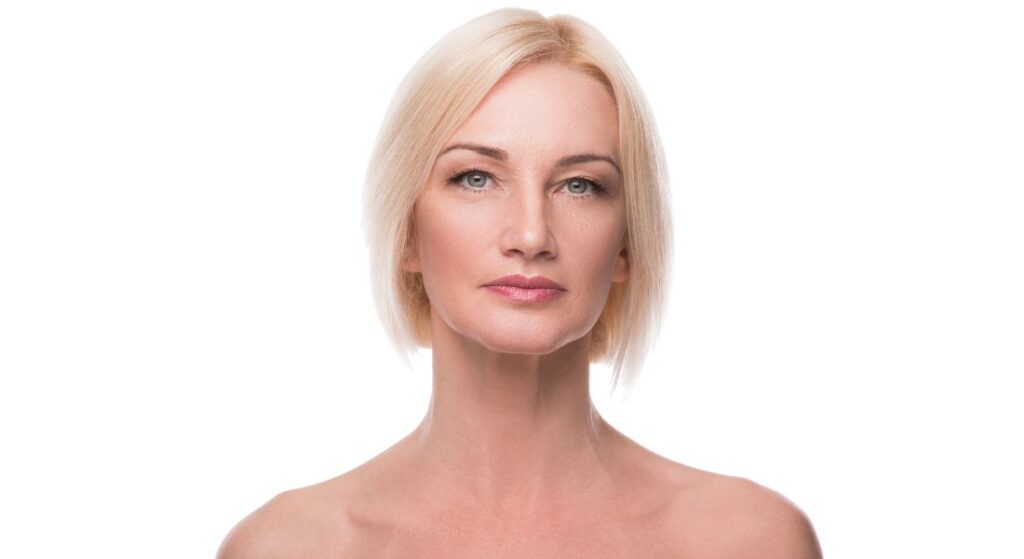
When you look at photographs of yourself from years ago, you may notice that your face has changed shape even if your skin still looks relatively healthy. This happens because facial ageing involves much more than visible wrinkles or changes on the surface of your skin. Over time, the deeper structures that support your face gradually change, affecting your facial contours, volume and overall appearance.
Your face is made up of several interconnected layers, including bone, facial fat, muscles, connective tissues and skin. With age, these structures undergo region-specific changes. Facial bones remodel rather than simply losing volume everywhere, some fat compartments lose volume while others may become more prominent or redistribute, muscle activity may change, and the skin becomes thinner and less elastic.
These combined changes influence the way your facial features are positioned and how light reflects across your face. You may notice changes such as flatter cheeks, hollow areas around the eyes, reduced jawline definition or deeper folds around the mouth. Understanding why your face changes shape with age helps explain why modern aesthetic treatments focus on restoring overall balance and support rather than simply treating individual wrinkles. A comprehensive approach considers how all facial structures work together to maintain your unique appearance.
Your Face Is a Dynamic Structure
Your face is a complex, dynamic structure made up of multiple layers that continuously interact with each other. Your skin, muscles, facial fat compartments, connective tissues and bones all work together to create your facial shape, support your features and allow natural expressions. These layers rely on each other to maintain balance, movement and overall facial harmony.
When you are younger, these structures generally work together to maintain smooth contours, firmness and natural volume. As you age, gradual biological changes begin to affect each layer differently. Your collagen production decreases, your facial fat may shift or reduce, your skin becomes less elastic and changes in your underlying bone structure can alter the support system of your face.
Facial ageing is therefore not caused by one single factor. The way your face changes over time is the result of many small changes occurring both beneath and on the surface of your skin. Understanding this layered process helps you see why modern aesthetic treatments focus on restoring overall facial balance rather than only treating individual wrinkles or visible signs of ageing.
How Different Facial Layers Change With Age
| Facial Layer | Age-Related Changes | Possible Effects on Your Appearance |
| Skin | Reduced collagen and elastin production, thinner skin and reduced elasticity | Fine lines, wrinkles, reduced firmness and changes in texture |
| Facial fat | Some compartments may lose volume, while others may become more prominent or redistribute; changes in surrounding ligaments and bones may also alter soft-tissue position. | Hollow cheeks, temple changes and altered facial contours |
| Muscles | Repeated facial movement and changes in muscle activity over time | Expression lines and changes in facial movement patterns |
| Connective tissues | Reduced strength and support within supporting structures | Increased laxity and changes in facial support |
| Bones | Gradual remodelling and reduced structural support | Changes in facial proportions, jawline definition and cheek support |
How Bone Changes Affect Facial Shape
Your facial bones provide the foundation that supports the soft tissues of your face, including your facial fat, muscles and skin. As you age, gradual changes in your facial bone structure can reduce some of the support available to these tissues. These changes may happen slowly over time, but they can have a noticeable effect on your facial contours and overall appearance.
Areas such as your eye sockets, cheekbones and jawline can experience age-related changes that influence how your facial features are positioned. As the underlying framework changes, your facial fat compartments and skin may sit differently over your bones, contributing to changes such as under-eye hollowing, flatter cheeks or reduced jawline definition.
Because your bones form the structural framework of your face, even subtle changes can influence your facial proportions and contribute to visible signs of ageing. Understanding the role of bone changes helps explain why facial ageing is a three-dimensional process involving your skin, fat, muscles and underlying structure rather than only surface-level changes.
The Role of Facial Fat in Ageing
Facial fat plays an important role in maintaining your youthful contours, supporting your skin and creating natural facial balance. Unlike general body fat, the fat in your face is organised into specific compartments that sit in different areas, such as your cheeks, temples, under-eye region and around your mouth. Each compartment contributes to the shape, softness and structure of your facial features.
Facial fat does not change uniformly with age. Some compartments may lose volume, while others may become more prominent or appear to descend as the surrounding skin, ligaments and facial bones change.
These changes may contribute to hollow areas, reduced cheek definition, deeper folds and altered facial contours. A personalised assessment can help identify which structures are contributing to your concerns and whether treatment may be appropriate, but it cannot guarantee a particular result.
Evidence Note
Research has shown that facial fat is arranged into separate superficial and deep compartments rather than one continuous layer. Age-related changes in these compartments can affect facial volume distribution, soft tissue support and overall facial contours.
Why Personalised Treatment Planning Matters

No two faces age in exactly the same way, which is why a personalised approach is essential when considering facial rejuvenation. You may experience more noticeable changes in facial volume, while someone else may be more affected by changes in skin texture, elasticity or facial definition. Your unique facial anatomy, genetics and lifestyle all influence how your face changes over time.
A professional assessment allows your practitioner to understand the specific factors contributing to your concerns. By evaluating your facial structure, skin quality, volume changes and aesthetic goals, your practitioner can recommend treatments that are appropriate for your individual needs. This helps ensure that your treatment plan supports your natural features rather than following a one-size-fits-all approach.
During a consultation at the London Medical and Aesthetic Clinic, you can discuss your concerns, available options, alternatives, likely duration, limitations and risks. The consultation should help you decide whether treatment is suitable for you rather than assume that a procedure will achieve a particular result.
UK Guidance Note
Regulation of non-surgical cosmetic procedures varies across the UK. In England, a comprehensive statutory licensing scheme covering all such procedures has not yet been introduced. Government proposals remain subject to further consultation and secondary legislation.
Before proceeding, book a consultation with the person who will perform the treatment. Check their relevant training, experience and insurance, and whether they belong to an appropriate professional register or association. Ask about the product being used, possible alternatives, expected duration, risks, aftercare and who will manage any complications.
You should receive enough information and time to make an informed decision without pressure to proceed.
Why Volume Loss Changes Facial Contours
When you lose facial volume with age, your face may gradually appear less rounded, less supported and different in overall shape. Areas such as your cheeks, temples and under-eye region are commonly affected because these areas rely on healthy fat compartments to maintain smooth contours and natural facial proportions. As these supportive structures change, you may notice subtle differences in the way your features are defined.
Reduced volume can make shadows more noticeable and create sharper transitions between areas of your face that previously blended together more smoothly. For example, changes in your cheek volume can affect the appearance of the mid-face, while volume changes around your eyes can contribute to a more tired-looking appearance. These changes are often influenced by the combined effects of facial fat loss, collagen decline and alterations in the underlying bone structure.
This is why facial ageing is not only about wrinkles or fine lines on the surface of your skin. The loss of support beneath your skin can significantly influence the overall shape, balance and character of your face. By understanding how volume changes affect your facial structure, you can better appreciate why modern aesthetic approaches focus on restoring harmony rather than only treating visible lines.
How Skin Changes Over Time
Your skin naturally changes as you get older due to gradual changes in the proteins and structures that keep it firm, flexible and supported. Collagen and elastin are two key proteins responsible for maintaining your skin’s strength and elasticity, but their production and function gradually decline with age. These changes affect how your skin looks, feels and responds over time.
As collagen production slows, your skin becomes thinner and less able to maintain the same level of support and structure it had when you were younger. Changes in elastin also reduce your skin’s ability to return to its original position after facial movements, such as smiling or frowning. Over time, these changes can make your skin appear less firm and more prone to laxity.
These natural ageing processes contribute to sagging, fine lines and changes in your skin texture. When combined with changes in facial fat, muscle activity and underlying bone structure, they can influence the overall shape and appearance of your face. Understanding these changes helps explain why facial rejuvenation often focuses on improving skin quality while also supporting deeper facial structures.
The Importance of Collagen Loss
Collagen acts as a supportive framework within your skin, helping maintain firmness, resilience and structural strength. This essential protein provides the foundation that helps your skin stay smooth and supported while allowing it to maintain its shape. When you have healthy collagen levels, your skin is better able to withstand daily movements and environmental influences.
From early adulthood, your body’s natural collagen production gradually begins to decrease. Over time, factors such as ultraviolet (UV) exposure, smoking, pollution and lifestyle habits can accelerate collagen breakdown and affect the quality of your skin. These changes reduce the amount of structural support available within your skin, contributing to visible signs of ageing.
As collagen levels decline, your skin may become less firm, thinner and more affected by changes occurring in the deeper layers of your face. When combined with shifts in facial fat, muscle changes and alterations in bone structure, reduced collagen can contribute to changes in facial contours and overall appearance. Supporting collagen health is therefore an important part of maintaining healthier, more resilient skin as you age.
How Facial Muscles Influence Ageing
Your facial muscles allow you to create expressions such as smiling, frowning and squinting, which play an important role in communication and showing your emotions. These movements are a natural part of who you are and help give your face character and expression. However, the repeated activity of these muscles over many years can contribute to visible changes in your skin.
As you repeatedly use certain facial muscles, areas such as your forehead, between your eyebrows and around your eyes may develop expression lines. Over time, reduced collagen production and changes in skin elasticity can make it harder for your skin to return to its smoother resting position after movement. This can cause lines and folds to become more noticeable as you age.
Muscle activity is only one part of the facial ageing process. Your skin quality, facial fat distribution, collagen levels and underlying bone structure also influence how your face changes over time. Understanding how these factors work together helps you see why facial ageing is a complex process that involves multiple layers rather than just the development of wrinkles.
Collagen-Stimulating Treatments
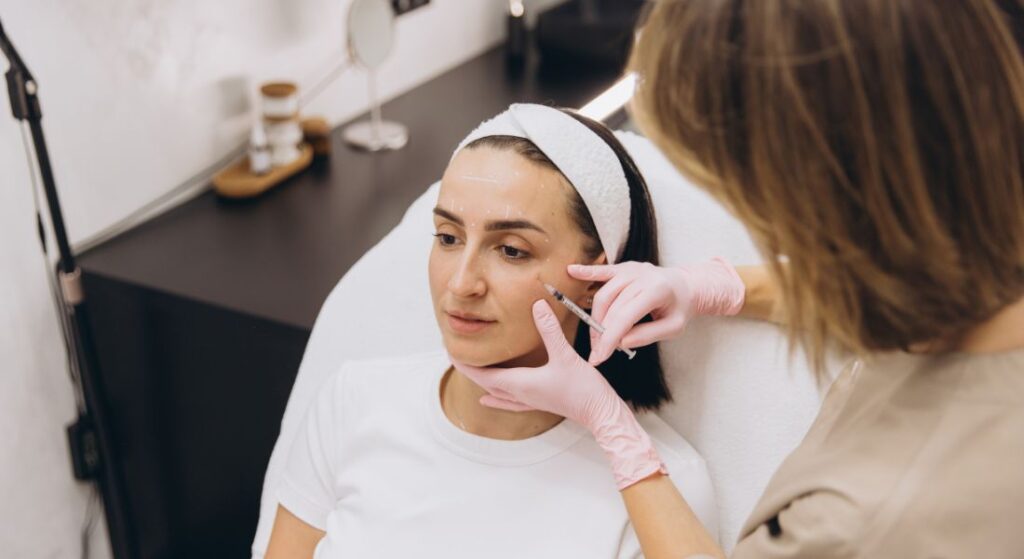
Collagen-stimulating treatments are designed to encourage collagen production in suitable patients and may support improvements in skin quality over time. Unlike treatments that simply add volume immediately, these approaches aim to improve the underlying support structure of your skin gradually. By encouraging collagen formation, you may experience improvements in firmness, texture and overall skin quality as the process develops.
Some treatments use biostimulatory ingredients that encourage your body to produce new collagen over time. This allows changes to develop gradually, which may help create subtle improvements when the treatment is appropriate. Rather than changing your appearance suddenly, these treatments focus on supporting your skin’s own regenerative processes.
Results can vary between individuals because your response depends on several factors, including your age, skin condition, treatment area and individual biology. During a consultation, your practitioner will assess your facial structure and discuss whether collagen-stimulating treatments are suitable for you. A personalised approach helps ensure that your treatment plan matches your aesthetic goals while maintaining natural-looking results.
Evidence Note
Collagen-stimulating treatments such as poly-L-lactic acid (PLLA) are designed to encourage gradual collagen production. Clinical outcomes vary depending on individual factors, treatment technique and patient characteristics.
The Connection Between Facial Expressions and Wrinkles
When you make facial expressions, your skin repeatedly folds in the same areas as your facial muscles contract. When you are younger, your skin usually has enough collagen, elastin and natural resilience to return smoothly to its original position after these movements. This allows your face to express emotions while maintaining a smoother appearance at rest.
As you age, changes in collagen and elastin reduce your skin’s flexibility and ability to recover after repeated movement. Over time, these repeated folds may become more permanent, creating visible lines even when your face is relaxed. Areas such as your forehead, between your eyebrows and around your eyes are commonly affected because they experience frequent movement.
This explains why some wrinkles develop differently from changes caused mainly by facial volume loss or skin laxity. Expression lines are influenced by repeated muscle activity, while other signs of ageing may result from changes in your facial fat, collagen levels or underlying structures. Understanding these differences helps you and your practitioner choose a more personalised approach to facial rejuvenation.
The Effect of Sun Damage on Facial Ageing
Sun exposure is one of the most significant external factors that can influence how your face ages. Ultraviolet (UV) radiation from the sun can gradually damage collagen and elastin fibres within your skin, reducing the structural support that helps maintain firmness and elasticity. Over time, this damage can make your skin more vulnerable to visible signs of ageing.
This process, known as photoageing, can contribute to wrinkles, uneven pigmentation, rough skin texture and reduced skin firmness. Unlike natural ageing, which happens gradually over time, repeated UV exposure can accelerate these changes and make them appear earlier. Areas of your face that receive frequent sun exposure, such as your forehead, cheeks and around your eyes, are often more affected.
Protecting your skin from excessive UV exposure is one of the most effective steps you can take to support healthier ageing. Using daily sun protection, seeking shade when UV levels are high and following evidence-based skincare can help preserve collagen, maintain skin quality and reduce the impact of environmental damage on your facial appearance.
Why Everyone Ages Differently
Although ageing is a natural process that affects everyone, the way your face changes over time can be very different from someone else’s. Your genetics influence important factors such as your facial structure, skin thickness, collagen levels and the way your facial fat is naturally distributed. These inherited characteristics help determine your unique ageing pattern.
Your lifestyle choices and daily habits can also influence how your face ages. Factors such as sun exposure, nutrition, stress levels, sleep quality and your skincare routine may affect your skin health and how quickly visible changes develop. These influences can interact with your natural biology, creating differences in how your skin, facial fat and supporting structures change over time.
This is why two people of the same age can have completely different facial ageing patterns. While one person may notice more volume loss in areas such as the cheeks or temples, another may experience more changes related to skin texture, wrinkles or facial laxity. Understanding your individual ageing process helps create a more personalised approach to maintaining facial balance and natural-looking results.
The Three-Dimensional Nature of Facial Ageing
Facial ageing affects multiple layers beneath the skin, including facial fat, muscles, connective tissues, and bones. These gradual changes work together to influence your facial shape, balance, and overall appearance over time.
1. Changes Across Multiple Facial Layers: Ageing affects the skin, fat, muscles, connective tissues, and bones rather than only the surface of your face.
2. Loss of Facial Volume: Reduced volume in areas such as the cheeks and around the eyes can create hollowness and changes in facial contours.
3. Reduced Skin Support and Elasticity: Decreased collagen, skin elasticity, and structural support can contribute to softer definition and deeper folds.
4. Impact on Facial Balance: Changes in underlying structures can affect proportions, including cheek shape, jawline definition, and overall facial harmony.
5. Comprehensive Rejuvenation Approach: Modern treatments assess multiple facial layers to create personalised improvements while preserving your natural features.
Facial ageing is a complex process influenced by several interconnected structures rather than a single cause. By understanding these changes, modern facial rejuvenation can focus on restoring balance and enhancing your appearance in a natural way.
Clinical Tip
Facial ageing should be assessed across multiple layers of the face. Looking only at wrinkles may miss important changes involving volume loss, skin quality, facial movement and underlying support structures.
Why Wrinkles Are Only One Part of Ageing
Wrinkles are one of the most noticeable signs of facial ageing, but they represent only one aspect of how your face changes over time. While lines and creases can affect your appearance, other deeper changes beneath your skin often play an equally important role in how old your face looks. Factors such as facial volume loss, changes in your skin quality and reduced tissue support all contribute to the ageing process.
Changes in your facial shape and volume distribution can significantly influence your overall appearance. As you age, your facial fat compartments may shift or reduce, your collagen levels may decline and your skin may become less firm. These changes can affect your facial contours, creating hollow areas, softer definition and alterations in your natural facial balance.
This is why modern facial rejuvenation often focuses on restoring harmony rather than simply smoothing wrinkles. By considering your skin, facial fat, collagen, muscles and underlying structures together, treatments can be designed to address the broader changes associated with ageing. A personalised approach helps you achieve natural-looking improvements while preserving your unique facial features.
The Growing Focus on Natural-Looking Results
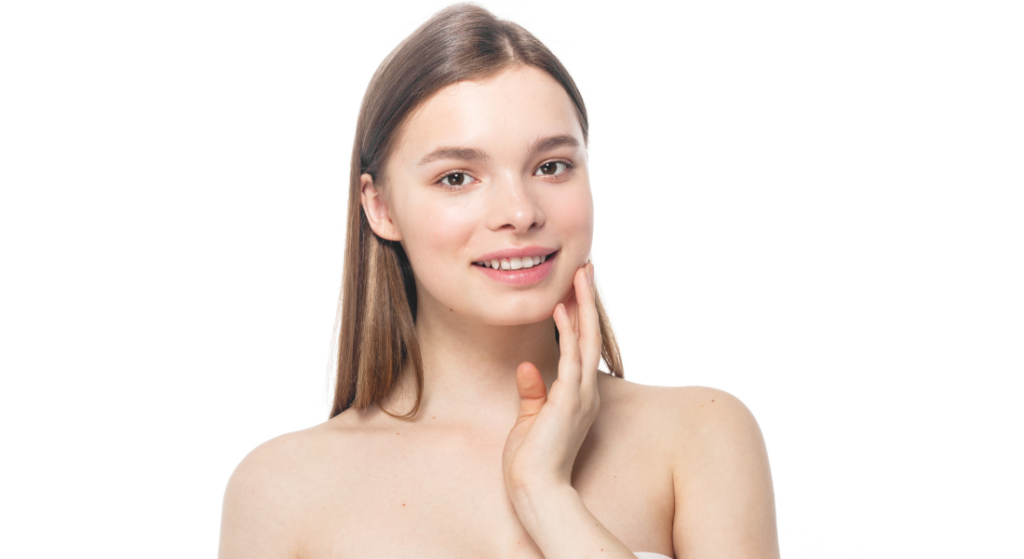
Many people now prefer subtle improvements rather than dramatic changes, which has influenced the way modern aesthetic treatments are planned and delivered. Instead of aiming to completely change your appearance, the focus is often on helping you look refreshed, balanced and naturally rejuvenated. This approach respects your individual facial features while addressing the changes that occur as you age.
The aim of modern facial rejuvenation is often to restore freshness, support your facial structure and improve your skin quality while keeping your expressions and personality intact. Your face plays an important role in communication, so maintaining natural movement and your unique characteristics is an important part of achieving successful results. Treatments are designed to enhance your appearance rather than make you look unlike yourself.
Natural-looking outcomes are subjective and cannot be guaranteed. Results depend on your anatomy, the treatment selected, the product or equipment used, practitioner technique and your individual response. You should also understand that results may be temporary, limited, asymmetric or different from what you expected.
How Modern Aesthetic Treatments Address Facial Changes
Modern aesthetic medicine aims to address the different aspects of facial ageing while helping you maintain your natural facial identity. Rather than focusing only on individual wrinkles or isolated concerns, today’s approaches consider how your skin, facial fat, collagen, muscles and underlying structures change over time. This allows treatments to be designed around your overall facial balance and the way you naturally age.
Depending on your concerns, your treatment plan may include improving your skin quality, supporting collagen production, restoring selected areas of lost volume or combining different techniques to address multiple layers of facial ageing. These approaches are designed to help you enhance your appearance while keeping your expressions, proportions and unique features natural.
A personalised approach is essential because your facial anatomy and ageing pattern are different from everyone else’s. Your practitioner will assess your facial structure, skin condition, volume changes and desired outcome before recommending suitable treatment options. By creating a plan tailored specifically to you, modern aesthetic treatments may help improve facial harmony in appropriately selected patients.
Myth vs Fact
| Myth | Fact |
| Facial ageing happens only because of wrinkles | Ageing affects skin, fat, muscles and bones together |
| Losing facial volume is the only reason the face changes | Changes in collagen, bone support and fat distribution all contribute |
| Everyone ages in the same way | Genetics, lifestyle and facial anatomy create individual ageing patterns |
| More volume always creates better results | Treatment should be based on facial structure and balance |
Restoring Facial Balance Rather Than Changing Your Appearance
A key goal of modern facial rejuvenation is to enhance your existing features rather than create a completely different appearance. The aim is to help you look refreshed, balanced and naturally youthful while preserving the characteristics that make your face unique. Treatments are designed to support your natural structure rather than make you look unlike yourself.
A balanced approach considers how different areas of your face work together. Your cheeks, temples, under-eye area, jawline and skin quality all contribute to your overall facial harmony. Treating one area without considering the relationship between the rest of your features may sometimes create results that appear less natural or out of proportion.
Careful planning allows your practitioner to consider your facial anatomy, ageing pattern and treatment goals. This may help create proportionate changes while preserving your facial identity, but outcomes vary and no procedure can guarantee a particular appearance.
Lifestyle Factors That Influence Facial Ageing
Although ageing is a natural process, certain lifestyle factors can influence how quickly visible changes appear on your face. Your daily habits can affect your skin health, collagen levels and overall facial appearance over time. While you cannot stop the natural ageing process, the choices you make can help support healthier-looking skin as you get older.
Ultraviolet exposure and smoking are established contributors to premature skin ageing and collagen damage. A balanced diet, regular exercise, adequate sleep and stress management may support general health and skin wellbeing, but they cannot prevent normal age-related changes in facial fat, muscle or bone.
Regular sun protection and avoiding smoking can help reduce preventable skin damage. However, no lifestyle measure can stop the natural ageing process or guarantee that facial shape will remain unchanged.
Frequently Asked Questions
1. Why does our face change shape as we get older?
Your face changes shape as you age because several layers of facial structure gradually change over time. These include your skin, facial fat, muscles, connective tissues, and underlying bones. As these structures lose some of their volume, support, and elasticity, you may notice changes in facial contours, firmness, and overall appearance.
2. What role does facial fat play in changes to our appearance as we age?
Facial fat helps maintain youthful facial contours by providing support and softness beneath the skin. As you age, facial fat compartments may reduce in size, shift position, or change in quality. These changes can lead to hollow areas, reduced cheek definition, and changes in the balance of your facial features.
3. How does collagen loss contribute to changes in facial shape over time?
Collagen provides strength, structure, and firmness to your skin. As your natural collagen production decreases with age, your skin becomes less resilient and may lose some of its ability to maintain support. This can contribute to sagging, fine lines, and changes in facial texture.
4. Why do wrinkles appear as part of the ageing process?
Wrinkles develop due to a combination of factors, including reduced collagen and elastin, repeated facial movements, sun exposure, and changes in the deeper structures of your face. Over time, your skin becomes less flexible, making expression lines and folds more noticeable.
5. How do changes in facial bones affect the way our face ages?
Your facial bones provide the foundation that supports your skin and soft tissues. As you age, gradual changes in areas such as the cheekbones, jawline, and eye sockets can reduce structural support. These changes can influence how facial fat and skin sit, affecting your overall facial shape.
6. Why do some people experience more noticeable facial ageing than others?
Everyone ages differently because facial ageing is influenced by genetics, lifestyle factors, skin type, facial structure, and environmental exposure. Differences in collagen levels, facial fat distribution, sun exposure, and skincare habits can all affect how quickly visible ageing changes appear.
7. Can lifestyle choices influence how my face changes with age?
Yes, lifestyle factors can affect the appearance of facial ageing. Smoking, excessive sun exposure, poor nutrition, and chronic stress may accelerate collagen breakdown and affect skin quality. Healthy habits such as using sunscreen, eating a balanced diet, and following suitable skincare can support healthier-looking skin.
8. How do modern aesthetic treatments help with age-related facial changes?
Modern aesthetic treatments may address selected concerns involving skin quality, collagen or facial volume. They cannot reverse every aspect of facial ageing, and outcomes vary according to the procedure, your anatomy and your individual response. The potential risks, limitations and expected duration should be discussed before treatment.
9. Are collagen-stimulating treatments a suitable option for everyone experiencing facial ageing?
Age-related facial changes cannot be completely prevented. Sun protection and avoiding smoking can help reduce premature skin ageing, but they cannot prevent normal changes in facial fat, muscle or bone. Aesthetic treatments also do not stop ageing and carry their own risks and limitations.
10. Is it possible to prevent my face from changing as I get older?
Age-related facial changes are a natural part of life and cannot be completely prevented. However, protecting your skin from sun damage, maintaining healthy lifestyle habits, using appropriate skincare, and considering personalised aesthetic treatments can help support healthier ageing and maintain facial balance over time.
Final Thoughts: Understanding Why Your Face Changes with Age
Ageing is a natural process that affects every layer of your face, from your skin and facial fat to your muscles and underlying bone structure. The changes you notice over time are not caused by one single factor but by the gradual interaction of multiple biological processes.
Understanding how your face changes with age can help you make more informed decisions about facial rejuvenation. Modern aesthetic treatments are increasingly focused on restoring balance, supporting your natural features, and improving overall facial harmony rather than simply targeting individual signs of ageing.
If you are considering treatment for age-related facial changes, a personalised assessment can help you understand the factors contributing to your concerns. At the London Medical and Aesthetic Clinic, the consultation should include realistic potential benefits, limitations, alternatives and risks so that you can decide whether treatment is appropriate for you.
References:
1. Rohrich, R.J. and Pessa, J.E. (2007) ‘The fat compartments of the face: anatomy and clinical implications for cosmetic surgery’, Plastic and Reconstructive Surgery, 119(7), pp.2219–2227. Available at: https://pubmed.ncbi.nlm.nih.gov/17519724/
2. Shaw, R.B. Jr., Katzel, E.B., Koltz, P.F., Yaremchuk, M.J., Girotto, J.A., Kahn, D.M. and Langstein, H.N. (2011) ‘Aging of the facial skeleton: aesthetic implications and rejuvenation strategies’, Plastic and Reconstructive Surgery, 127(1), pp. 374–383. Available at: https://pubmed.ncbi.nlm.nih.gov/21187810/
3. Wan, D., Amirlak, B., Rohrich, R. and Davis, K. (2014) ‘The clinical importance of the fat compartments in midfacial aging’, Plastic and Reconstructive Surgery Global Open, 1(9), e92. Available at: https://pmc.ncbi.nlm.nih.gov/articles/PMC4174112/
4. Coleman, S.R. and Grover, R. (2006) ‘The anatomy of the aging face: volume loss and changes in 3-dimensional topography’, Aesthetic Surgery Journal, 26(1 Suppl), pp.S4–S9. Available at: https://www.sciencedirect.com/science/article/pii/S1090820X05004590
5. Mendelson, B.C. and Wong, C.H. (2012) ‘Changes in the facial skeleton with aging: implications and clinical applications in facial rejuvenation’, Aesthetic Plastic Surgery, 36(4), pp. 753–760. Available at: https://academic.oup.com/asj