



This is where Sculptra has become such a popular non-surgical treatment. Instead of tightening the skin from the outside, Sculptra rebuilds the internal collagen structure that gives your abdomen its firmness and elasticity. If you’re curious about whether Sculptra can help tighten stomach skin, what kind of results you can expect, how long it takes, and whether you’re the right candidate, this guide will give you a clear, honest overview.
Why Stomach Skin Becomes Loose in the First Place
Loose stomach skin often develops gradually, but the reasons behind it can be complex. It’s not just ageing or lack of exercise; abdominal skin is highly sensitive to changes in weight, hormones, and collagen levels. Over time, repeated stretching can reduce its ability to retract fully.
Pregnancy is a major contributor to stretched abdominal skin. During pregnancy, the skin expands and collagen fibres stretch, and even after recovery, it may not return to its original firmness. Multiple pregnancies or conditions like diastasis recti can make laxity more noticeable.
Weight fluctuations also play a significant role. When the skin stretches and contracts repeatedly, it can become thinner and less elastic. Even small weight changes can lead to sagging in people with naturally reduced skin resilience.
Genetics influence how well your skin copes with stress and stretching. Some people have naturally more elastic skin, while others may see laxity earlier, regardless of their lifestyle.
What Is Sculptra and Why Is It Used for Stomach Skin Tightening?

Sculptra is a biostimulatory filler made from poly-L-lactic acid (PLLA), a material that has been safely used in medical treatment for decades. Unlike hyaluronic acid fillers that add immediate volume, Sculptra works by stimulating your body to rebuild its own collagen over time.
When used on the stomach, Sculptra strengthens the underlying skin structure. Instead of simply smoothing the surface, it rebuilds the deeper layers, so the skin becomes tighter and more resilient. This makes it particularly effective for crepey skin, thinning skin, and mild to moderate laxity.
You won’t see results instantly because Sculptra isn’t designed to act as a quick fix. Instead, it works gradually as your body responds to the PLLA particles by generating fresh collagen. Over several months, this new collagen lifts, tightens, and supports the skin in a natural way.
This approach makes Sculptra ideal for people who want subtle, natural-looking improvement without surgery or downtime. The results don’t look artificial or exaggerated. Instead, they mimic the firmness and elasticity your skin used to have.
Why the Stomach Responds So Well to Sculptra
The stomach is one of the areas most affected by collagen loss, stretching, and thinning. That’s why it responds particularly well to a treatment that directly targets the foundation of the skin. The abdominal area contains more fibrous connective tissue than some other body areas, which allows new collagen to anchor and strengthen the skin effectively.
The reason Sculptra works so well for stomach tightening is that abdominal laxity is rarely caused by excess fat alone. Most people dealing with loose stomach skin are struggling with structural issues rather than volume issues. Sculptra addresses this underlying problem by improving skin thickness and elasticity instead of simply adding bulk.
If you’ve noticed that your stomach skin looks wrinkled when you bend or soft when you stand upright, these are signs of collagen loss. Because Sculptra rebuilds collagen in the deeper layers, it directly improves these concerns.
Another advantage is that Sculptra covers large surface areas well. The stomach often requires more widespread treatment than smaller facial zones, and Sculptra’s ability to stimulate collagen across a broad region makes it ideal for this purpose.
What the Treatment Process Looks Like

If you’re considering Sculptra for your stomach, it helps to understand what to expect during your sessions. The process is straightforward and usually requires minimal disruption to your daily routine.
Initial consultation: Your practitioner will examine your abdominal skin, assess the degree of laxity, and discuss your goals. They’ll also determine how many vials and sessions are needed to achieve noticeable improvement.
Preparation on treatment day: The area will be cleansed and numbed with a topical anaesthetic to ensure comfort. This step makes the procedure gentle and tolerable even for first-time patients.
Injection process: Sculptra is injected into strategic points across the abdomen. Your practitioner carefully maps the area to ensure even product distribution and optimal collagen stimulation.
Comfort during treatment: Most people are surprised by how comfortable the procedure is. The injections are relatively shallow, and the product is mixed with anaesthetic to reduce discomfort.
Post-injection massage: After treatment, the area is massaged to help spread the product evenly. You may be asked to continue gentle massages at home for a few minutes a day over a short period to support smooth results.
Recovery and downtime: There’s typically no downtime. You can resume most activities immediately, though high-intensity workouts or heavy lifting may be paused for a day or two. Mild swelling, tenderness, or small bumps can occur but usually fade quickly.
How Long Until You See Results?
Sculptra is not an instant-result treatment. The improvement unfolds slowly as your body builds new collagen. This gradual process is one of the reasons the results look so natural.
Most people begin to see noticeable changes around six to eight weeks after their first session. The skin may feel thicker, firmer, and more supported. Crepey areas begin to smooth out, and the overall texture becomes more refined.
However, the full result typically develops between three and six months. During this period, collagen production continues and strengthens the treated area. The effect becomes more visible as time passes, and many people even report improvements beyond the six-month mark.
Because Sculptra works underneath the surface, people around you won’t notice a sudden change. Instead, they’ll simply see your stomach looking firmer and more toned over time.
How Many Sculptra Treatments Do You Need for the Stomach?
The number of sessions depends on the degree of stomach skin laxity. Because the abdominal area is larger than the face or arms, most people require multiple sessions to achieve optimal results.
Two to four treatment sessions: Most people need several sessions to see meaningful improvement. Each session allows collagen to gradually form, giving your skin firmer support and a smoother, more toned appearance.
Spaced four to six weeks apart: This interval gives your skin enough time to respond between treatments. Proper spacing ensures that results build progressively without overwhelming the tissue.
Your practitioner may use more vials per session for the stomach than for other areas because the larger surface requires more collagen to rebuild structural support. If your laxity is mild, fewer sessions may be sufficient. If your skin has thinned significantly due to pregnancy or weight loss, a slightly higher product amount may be recommended.
The goal is not to rush the process but to allow collagen to form gradually and evenly. A personalised treatment plan provides the best chance of achieving natural, long-lasting improvement.
What Kind of Results Can You Expect?
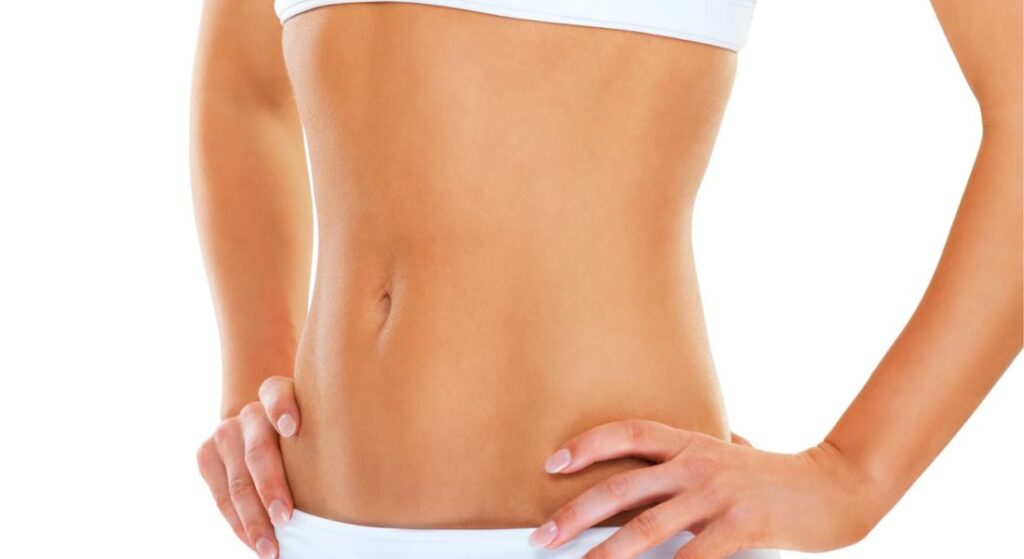
Sculptra doesn’t change the shape of your stomach. It doesn’t remove fat or tighten the muscles. What it does is improve the quality and firmness of your skin. You can expect the skin on your stomach to look smoother, thicker, and more lifted after completing your treatment sessions.
If you currently see crepey skin when you bend forward, you may notice that these fine lines soften significantly. If your skin looks loose when you stand, the area may appear tighter and more supported. Many people also report that the skin feels stronger, less fragile, and more resistant to wrinkling.
The improvement in tone and elasticity helps your stomach look more youthful and evenly textured. It can also make clothing fit better because the skin behaves more like it used to.
What you won’t see is an overnight transformation. Instead, your results develop steadily over several months, giving you a natural, authentic enhancement that blends seamlessly with your body.
How Long Do Sculptra Results Last in the Abdomen?
One of the biggest benefits of Sculptra is its longevity. Because it stimulates your body to produce natural collagen, the results typically last longer than traditional fillers.
Most people enjoy results for two to three years, and sometimes longer depending on your lifestyle and skin health. The new collagen behaves like your own, meaning it gradually fades as part of the natural ageing process. However, the overall improvement remains visible for a significant period.
Many people choose to have maintenance sessions every one to two years to keep their results looking fresh. These top-ups usually require less product compared to the initial treatments.
Sculptra offers one of the longest-lasting non-surgical tightening options available today, making it a popular choice for people who want durable improvement without surgery.
How Sculptra Compares to Other Stomach Tightening Treatments
There are several non-surgical treatments for abdominal tightening, including radiofrequency, ultrasound treatments, microneedling, and laser therapies. While many of these can help improve skin laxity, Sculptra offers a few unique advantages.
Sculptra stimulates deep collagen production. Energy-based devices work by heating the tissue to encourage tightening, but they don’t always provide the same level of structural rebuilding. Sculptra’s ability to thicken the skin makes it highly effective for crepey texture.
Results from Sculptra are long-lasting. Many device-based treatments require frequent maintenance sessions, whereas Sculptra’s results can last several years.
Sculptra covers large areas well. The stomach is a broad zone, and Sculptra’s collagen-stimulating effect spreads naturally across treated regions.
Who Is a Good Candidate for Stomach Sculptra?
Not everyone with loose stomach skin is the right candidate for Sculptra, but many people are surprised by how versatile the treatment can be.
You may be a good candidate if:
You have mild to moderate abdominal skin laxity: Sculptra works best when the skin has some remaining firmness but could benefit from additional support. It helps strengthen and tighten without the need for surgery.
You see crepey or thin skin when bending or standing: If your skin shows fine lines or feels delicate, Sculptra can improve texture and resilience. Gradual collagen stimulation thickens the tissue for a smoother look.
Your skin feels less elastic than it used to: Loss of elasticity is a common sign of ageing or post-pregnancy changes. Sculptra encourages collagen production to restore some of that bounce.
You have experienced pregnancy or weight changes: Stomach skin often stretches during these life events. Sculptra can rebuild structural support and improve firmness over time.
You prefer natural, gradual results rather than instant fixes: The treatment works subtly, so improvements appear over weeks and months. This gradual change helps the results look authentic.
You want long-lasting improvement without surgery: Sculptra provides extended benefits, often lasting up to two years or more with occasional touch-ups. There’s no downtime, no scars, and minimal recovery involved.
You are comfortable with a multi-session treatment plan: Because results build gradually, most patients need several sessions spaced weeks apart. Committing to the recommended plan ensures the best, even outcome.
Sculptra is not ideal for people with severe sagging or excessive loose skin that folds significantly. In such cases, surgical tightening may be more effective. However, if your skin falls between mild laxity and major sagging, Sculptra often delivers meaningful, visible improvement.
Safety: How Safe Is Sculptra for the Abdomen?
Sculptra has a strong reputation for safety when administered by an experienced medical practitioner. The material has been used in medicine for decades and is biocompatible, meaning your body tolerates it well.
Side effects are usually mild and temporary. You may experience bruising, swelling, tenderness, or small nodules at the injection sites. These effects typically settle within a few days.
Because the abdomen is a larger treatment area, swelling may appear slightly more noticeable compared to the face, but this resolves quickly. There is minimal downtime with Sculptra. Most people return to normal activities immediately, although you should avoid strenuous abdominal exercise for the first day or two.
Preparing for Your Sculptra Session
Preparation is simple but helps ensure a smooth treatment experience. You may be asked to avoid certain medications or supplements that increase the risk of bruising. Staying hydrated and avoiding alcohol before the session can also improve your comfort.
Wear loose clothing on the day of treatment to make it easier for your practitioner to access the area and to keep you comfortable afterward.
Your practitioner will give you clear instructions before your appointment so you know exactly what to expect.
What Makes Sculptra Different From Fat Reduction Treatments
It’s important to understand that Sculptra is not a fat-removal treatment. It does not dissolve fat or contour the stomach. Instead, it improves the quality and firmness of the skin itself.
If your main concern is excess fat, a fat-reduction treatment like cryolipolysis or ultrasound-based fat reduction may be more suitable. However, if the skin on your stomach feels loose, thin, or crepey, Sculptra directly addresses these issues.
Many people are surprised to learn that tightening the skin alone can make the stomach look more toned, even without fat loss. The smoother and firmer the skin, the more defined the underlying shape appears.
FAQs:
1. How does Sculptra actually tighten stomach skin?
Sculptra works by stimulating your body to produce new collagen in the deeper layers of the skin. Unlike surface treatments that only affect the outer layer, Sculptra targets the structural foundation of the abdomen. As collagen gradually builds, the skin becomes firmer, thicker, and more elastic. Over several months, this internal strengthening smooths out crepey texture, reduces laxity, and gives a subtle lift, creating natural-looking results.
2. When will I start to see results after treatment?
Results are not immediate because Sculptra relies on your body’s natural collagen production. Most patients notice gradual improvements within six to eight weeks, with the skin feeling thicker and firmer. Full effects typically become visible between three and six months, as collagen continues to form and support the tissue. The slow progression ensures a natural appearance that doesn’t look artificial or overdone.
3. How many sessions will I need for my stomach?
The number of sessions depends on the degree of skin laxity and the area being treated. Generally, patients undergo two to four sessions spaced four to six weeks apart. Each session encourages incremental collagen production, allowing the skin to tighten gradually. Larger or more stretched areas may require additional vials per session to achieve even coverage and optimal results. Your practitioner will personalise the plan to suit your skin’s needs.
4. Is Sculptra safe for use on the abdomen?
Sculptra is considered safe when administered by a qualified medical professional. The product has been used in medical practice for decades and is biocompatible, meaning it is well tolerated by the body. Side effects are usually mild and temporary, such as swelling, tenderness, or small bumps at injection sites. Most of these effects resolve within a few days, and there is minimal downtime, allowing patients to resume normal activities almost immediately.
5. How long do the results last?
Results from Sculptra typically last two to three years, as the newly produced collagen continues to support the skin. The longevity of the effect can vary depending on individual factors such as age, lifestyle, and skin condition. Many people choose occasional maintenance treatments every one to two years to maintain firmness, which usually require smaller amounts of product than the initial sessions.
6. Can Sculptra remove excess fat in the stomach area?
Sculptra is not a fat-reduction treatment and does not remove or contour fat. Its primary function is to improve skin quality, firmness, and elasticity. While the treatment does not affect underlying fat, firmer skin can make the abdomen appear more toned and defined. If your main concern is excess fat, other treatments such as cryolipolysis or ultrasound-based fat reduction might be more suitable, but these should be combined with Sculptra if loose skin is also a concern.
7. Who is the ideal candidate for stomach Sculptra?
Sculptra works best for individuals with mild to moderate skin laxity who have lost some elasticity due to ageing, pregnancy, or weight fluctuations. Those with thin, crepey skin will often see the most noticeable improvement. Candidates should be seeking subtle, natural results and be willing to commit to a multi-session plan. Severe sagging or very loose skin may not respond optimally to Sculptra alone, and surgical options may be more appropriate in such cases.
8. Are there any precautions I need to take before treatment?
Before your session, your practitioner may advise avoiding certain medications or supplements that can increase the risk of bruising. Staying hydrated and avoiding alcohol can also improve comfort during the procedure. Wearing loose clothing on the day makes it easier for your practitioner to access the abdominal area and ensures comfort afterward. Following pre-treatment instructions carefully helps ensure smoother results and a more comfortable experience.
9. Will the treatment be painful?
Most patients find Sculptra injections relatively comfortable. The area is numbed with a topical anaesthetic before treatment, and the product is often mixed with anaesthetic to further reduce discomfort. The injections are shallow, and any mild discomfort typically resolves quickly. Post-treatment, you may experience slight tenderness, swelling, or small bumps, but these are temporary and fade within a few days.
10. Can Sculptra be combined with other treatments for better results?
Yes, many patients combine Sculptra with other non-surgical treatments to enhance overall skin quality. Procedures such as radiofrequency or ultrasound-based tightening, microneedling, or laser treatments can complement Sculptra by improving surface texture, hydration, and elasticity. Because Sculptra rebuilds the deeper collagen network, combining it with treatments targeting the surface can produce more comprehensive and harmonious results. Your practitioner can advise on the best combination plan based on your individual goals.
Final Thought: Sculptra for Abdominal Skin
Sculptra offers a safe, non-surgical way to rebuild collagen and improve the firmness and texture of your stomach skin. By targeting the deeper layers, it helps restore elasticity and smooth out crepey areas, giving gradual, natural-looking results that can last for years. Unlike treatments that only address surface appearance, Sculptra works from the inside out, making it an ideal option for those seeking subtle but meaningful improvement without surgery. If you’re considering Sculptra in London, feel free to get in touch with us at the London Medical & Aesthetic Clinic.
References:
1. Signori, R. et al., 2024. Efficacy and Safety of Poly‑l‑Lactic Acid in Facial Aesthetics: A Systematic Review. Polymers, 16(18), p.2564. https://www.mdpi.com/2073-4360/16/18/2564
2. A Innocenti, 2025. Injectable Poly‑l‑Lactic Acid (PLLA‑SCA™) as a Versatile Collagen Biostimulator. Journal of Cosmetic Dermatology, 12(6), pp. https://www.mdpi.com/2079-9284/12/6/264
3. Sadick, N.S. & Arruda, S., 2017. The Use of Poly‑L‑Lactic Acid in the Abdominal Area. Dermatologic Surgery, 43(2), pp.313–315. https://pmc.ncbi.nlm.nih.gov/articles/PMC11965205/
4. Stein, P., Vitavska, O., Kind, P., Hoppe, W., Wieczorek, H. and Schürer, N.Y., 2015. https://www.sciencedirect.com/science/article/abs/pii/S0923181115000377
5. Bohnert, K., Dorizas, A., Lorenc, P. and Sadick, N.S., 2019. Randomized, controlled, multicentered, double‑blind investigation of injectable poly‑L‑lactic acid for improving skin quality. https://pubmed.ncbi.nlm.nih.gov/39339028/