

If you’ve been living with stretch marks for years, you may have wondered whether anything can genuinely improve them. Many people believe stretch marks are permanent once they become older and fully matured, but modern aesthetic treatments especially CO₂ fractional laser have changed what’s possible. You may be considering CO₂ laser but feel unsure about whether it actually works on long-standing stretch marks, whether older marks respond slower, and what kind of results you can realistically expect.
In this article, I want to walk you through the full picture so you understand exactly how CO₂ laser interacts with mature stretch marks, why older marks behave differently from newer ones, and why improvement is still achievable even if your stretch marks have been there for ten, twenty, or thirty years. You’ll learn about treatment expectations, the science behind collagen remodelling, and the step-by-step process of what happens during and after each session.
My aim is to give you clarity, confidence, and realistic expectations so you can decide whether CO₂ laser is the right choice for your skin.
Understanding What Stretch Marks Really Are
To understand how CO₂ laser works, it helps to know what stretch marks actually are. Stretch marks, or striae, form when the skin stretches beyond its natural capacity. This leads to micro-tearing in the dermal layer. Your body heals these tears by producing collagen and elastin fibres, but the structure never fully returns to its original form. Instead, the repaired collagen becomes thinner and more disorganised, creating the visible lines you see on the skin.
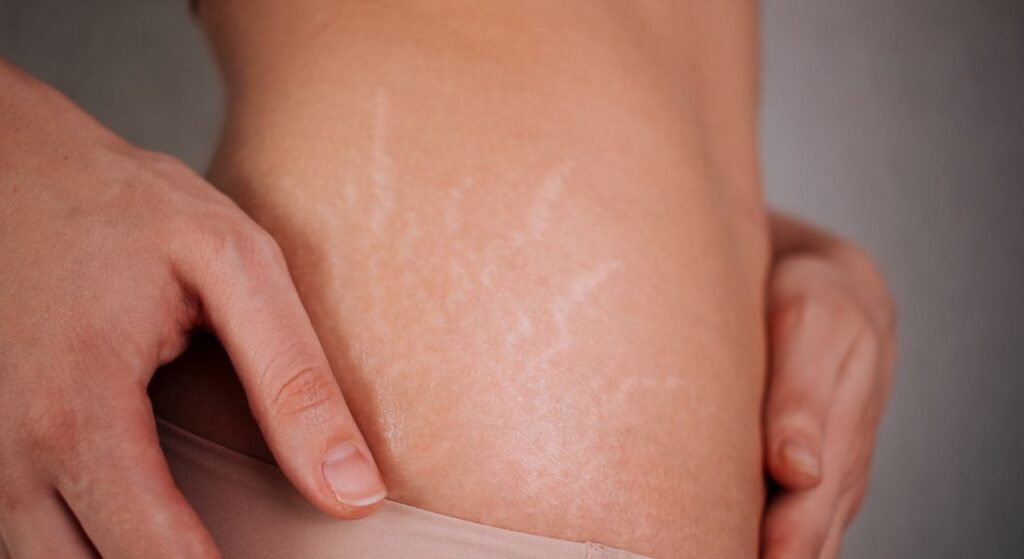
When stretch marks first appear, they are red, purple, or pink. These are called striae rubrae, and they still have active circulation and inflammation. As they mature, they turn white or silver. These are called striae albae. The blood vessels shrink, collagen becomes more static, and the marks settle into long-term patterns.
This distinction matters because older stretch marks respond differently to treatment. They have less active tissue to work with and need more stimulation to kickstart collagen remodelling.
Why Older Stretch Marks Are More Challenging
Older stretch marks are usually harder to treat for several reasons. First, the collagen structure in these marks is far more entrenched. The disorganisation has been present for years, and the skin has already healed in a way that your body considers “complete.” Second, older marks often sit deeper in the dermis, meaning superficial treatments won’t reach them effectively. Finally, mature stretch marks have reduced vascular supply, which slows down healing responses and collagen rebuilding.
This doesn’t mean improvement is impossible. It simply means that older stretch marks require a treatment capable of reaching deeper layers and stimulating fresh collagen over time. That’s where CO₂ laser becomes particularly powerful.
What Makes CO₂ Laser Different from Other Treatments?
CO₂ fractional laser is one of the most advanced technologies for structural skin repair. Unlike creams, oils, and superficial treatments that work only on the surface, CO₂ laser reaches the deeper dermal layers where stretch marks originate.
It works by creating controlled micro-injuries in tiny columns across the skin. This process is known as fractional photothermolysis. These microscopic channels trigger your body to clear damaged collagen and rebuild it with fresh, stronger fibres. The surrounding untreated skin helps the healing process move faster and more efficiently.
What makes CO₂ laser stand out is its ability to:
– Break down stubborn scar tissue
– Stimulate high levels of new collagen
– Smooth out the texture of indented marks
– Tighten loose skin around the area
– Improve depth, colour, and width of stretch marks
This makes it extremely effective for older stretch marks that have stopped responding to other methods.
How Much Improvement Can You Expect with Old Stretch Marks?
This is one of the most common and important questions, and it’s important to give a clear, realistic answer. CO₂ laser treatment cannot completely erase stretch marks no treatment can remove them entirely but it can significantly reduce how noticeable they look. When treating older stretch marks, many people experience smoother skin texture, narrower and shallower lines, more even pigmentation, firmer surrounding skin, and overall better uniformity across the treated area.
The degree of improvement varies depending on the age of the stretch marks, your skin type, how deep the marks are, the area of the body being treated, the number of sessions completed, and how consistent you are with aftercare. Most people start to notice visible improvement after the very first session, but deeper and more meaningful long-term changes usually require a series of treatments spaced a few weeks apart. For older stretch marks in particular, most treatment plans include three to five sessions, with each session progressively stimulating collagen remodelling to improve the skin’s structure over time.
Why CO₂ Laser Works Even on Older Skin
Many people assume that older skin won’t respond to treatment, but this isn’t true. Even mature skin retains the ability to regenerate collagen when given the right stimulus. CO₂ laser provides that stimulus by delivering controlled thermal energy deep into the dermis.
As the laser creates micro-channels, your body responds by clearing out damaged collagen and rebuilding the area with stronger, more organised fibres. Over time, this process helps stretch marks blend more seamlessly into the surrounding skin. Older stretch marks may not have the inflammation or blood flow that younger marks do, but the fractional heating effect of CO₂ laser bypasses this limitation. The thermal columns extend deep enough to reach the structural layers where the most effective collagen changes occur.
What Happens During a CO₂ Laser Session for Stretch Marks?
Understanding the treatment process can help you feel more comfortable and prepared.
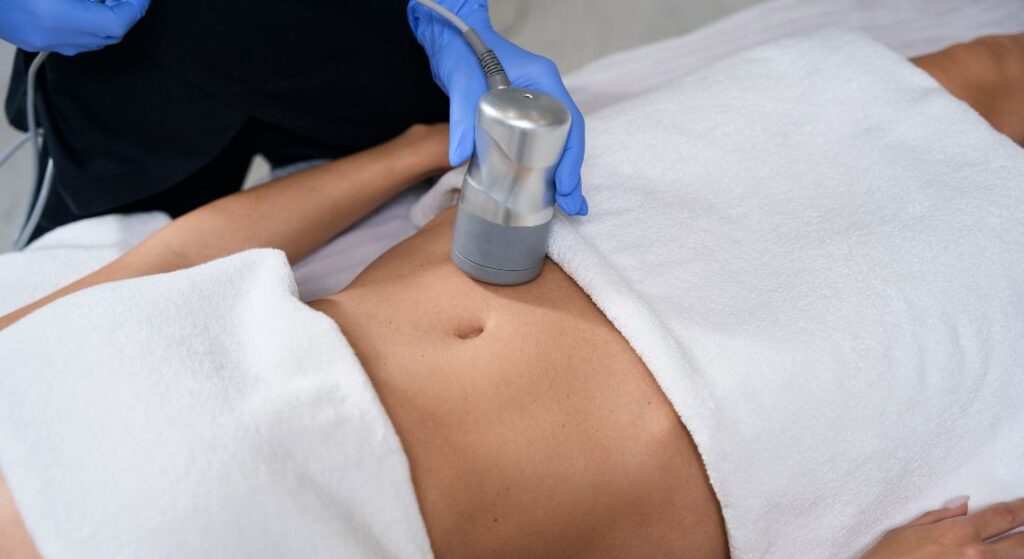
When you arrive for your session, your practitioner will examine the stretch marks and determine the appropriate settings for your skin type. A numbing cream is usually applied beforehand to reduce discomfort. Once the skin is numb, the laser is passed across the stretch mark areas in a systematic pattern.
You’ll feel warmth and mild tingling sensations as the laser works, but most people find the treatment tolerable. After the session, the skin will look red and may feel warm, similar to a sunburn. This initial redness typically fades over several days.
Some mild swelling is normal, especially on areas like the stomach or thighs. The skin also develops tiny dots or grid patterns, which is part of the fractional healing response. These patterns fade as the skin renews itself.
Your practitioner will give you specific aftercare instructions, including moisturising the area and using sunscreen to protect the treated skin.
Recovery Timeline After CO₂ Laser Treatment
Recovery varies depending on the intensity of your treatment and the area of skin being treated. In general, you can expect the following, keeping in mind that everyone heals at their own pace. Some people may notice quicker surface recovery, while deeper collagen changes continue to develop quietly beneath the skin for weeks or even months.
Day 1–3: Initial Healing
Redness and warmth are common during the first few days, and the skin may feel tight, sensitive, or slightly swollen as the healing process begins. Tiny dots or scabs often appear where the laser made contact, signalling that the skin is starting to repair itself. You may also notice a mild sunburn-like sensation, which is normal and gradually reduces with proper post-treatment care.
Day 4–7: Surface Renewal
During this phase, peeling or flaking is common as the older, damaged skin cells shed naturally. New, healthier skin begins to form underneath, giving the treated area a fresher and slightly smoother appearance. You may also notice a bit of pinkness or mild sensitivity, which is simply part of the renewal process and typically settles with continued gentle skincare.
Week 2–6: Collagen Remodelling
This stage marks the beginning of noticeable, meaningful changes in your skin. As collagen fibres start rebuilding beneath the surface, the stretch marks gradually look smoother, and the surrounding skin becomes firmer and more refined. You may see improvements in texture, depth, and overall uniformity. Although changes are visible during this period, the collagen remodelling process continues quietly in the deeper layers for several more months, enhancing results even further over time.
Months 2–6: Long-Term Results
During this phase, your skin goes through deeper, more gradual remodelling. The full benefits of the CO₂ laser become increasingly noticeable as collagen fibres continue to reorganise, tighten, and strengthen beneath the surface. You’ll see the treated area slowly becoming smoother, firmer, and more even in tone. Improvements often keep developing month by month, giving the skin a more refined and consistent appearance. This long-term phase is where the most impressive and lasting results typically show.
CO₂ laser is not a quick fix. It’s a gradual transformation that requires patience and consistency, but the results are worth it if you’re looking for long-term improvement.
Why Multiple Sessions Are Needed for Old Stretch Marks
Old stretch marks are deeply embedded in the dermis, so they require repeated stimulation to remodel effectively. Each CO₂ laser session targets a different fraction of the skin. By repeating the process, you build a cumulative effect that leads to greater improvement.
Think of it as a layered approach. The first session triggers early collagen repair. The second session builds on this foundation. The third session helps refine the texture even further. Over time, the skin becomes tighter, smoother, and more uniform.
The number of sessions you need depends on the severity of your stretch marks and your body’s healing response. Some people need only two or three sessions, while others may benefit from four or six sessions for more significant improvement.
Areas of the Body That Respond Well to CO₂ Laser
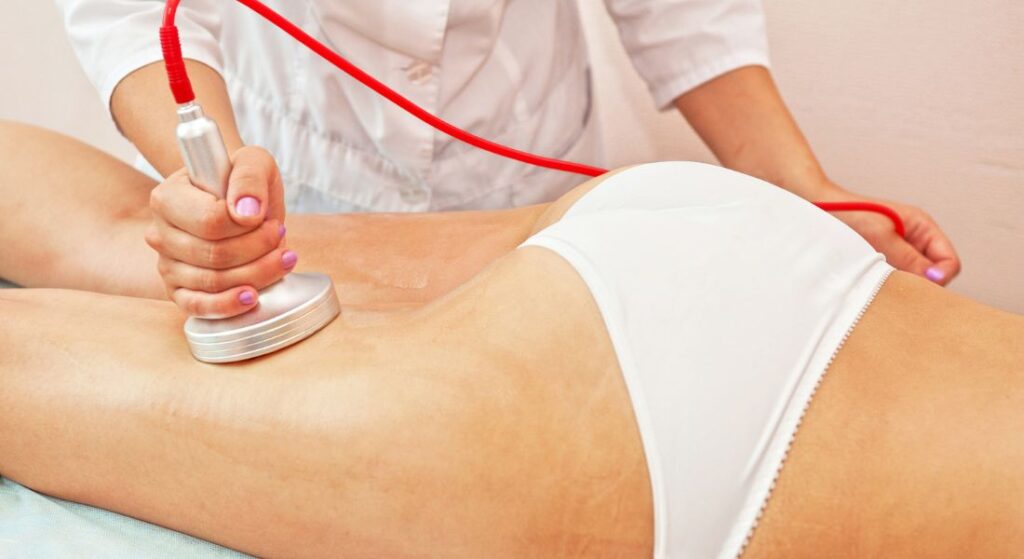
CO₂ laser can treat stretch marks in most areas of the body, including commonly affected zones where the skin has stretched or thinned. Because the treatment works by boosting collagen and resurfacing the skin, it delivers noticeable improvement on multiple body parts.
It can be used on areas such as:
– Abdomen: A very common area for stretch marks, especially after pregnancy or weight changes. The skin here typically responds well because it has good strength and collagen potential.
– Thighs: Both the outer and inner thighs can develop stretch marks. This area usually shows noticeable improvement as the skin is thick enough to regenerate effectively.
– Hips: Stretch marks on the hips often form during growth spurts. CO₂ laser treatments can smooth their appearance by boosting collagen in this flexible, well-vascularised area.
– Buttocks: The skin over the buttocks is relatively thick, making it suitable for deeper laser work and often producing steady, visible results over time.
– Upper arms: Stretch marks here are common after weight fluctuation. The skin generally tolerates treatment well and tightens gradually as new collagen forms.
– Breasts: Because the skin on the breasts is thinner, a gentler approach is used. Improvements are gradual but still achievable with carefully tailored settings.
– Lower back: This area often develops stretch marks during adolescence. The skin typically heals well with CO₂ laser, leading to smoother texture and a more even tone over time.
Results You Can Expect After CO₂ Laser
One of the biggest questions people ask is whether CO₂ laser can completely remove older stretch marks. The answer is no, but it can reduce their appearance significantly. You may notice that the stretch marks become less noticeable in both colour and texture. Some people see their stretch marks fade by as much as 50 to 70 percent over a series of treatments.
The key to seeing good results is realistic expectations. Older stretch marks are more resistant to treatment, but they can still improve dramatically with the right approach. You won’t see overnight changes, but you will see steady, meaningful progress.
Another important factor is your skin type. People with fair to medium skin tones often respond very well to CO₂ laser. Those with deeper skin tones may require a modified approach to avoid pigmentation changes.
What About Darker Skin Tones?
CO₂ laser can be effective for deeper skin tones, but it must be performed carefully to reduce the risk of post-inflammatory pigmentation. Some people with high melanin levels may require lower settings or pre-treatment regimens to stabilise the skin. This doesn’t mean the treatment is unsafe. It simply requires experienced practitioners who understand how to adjust the laser to suit your skin tone. With proper preparation, many individuals with darker skin tones see excellent results.
Combination Treatments for Older Stretch Marks
CO₂ laser already provides strong results by resurfacing the skin and stimulating deep collagen repair, but pairing it with other treatments can make the improvements even more noticeable. These combination therapies help target stretch marks from multiple angles, improving both the surface texture and deeper structural layers of the skin.
Microneedling with radiofrequency: This treatment uses tiny needles and controlled heat to remodel deeper collagen. When combined with CO₂ laser, it enhances firmness and reduces the depth of older, stubborn stretch marks.
Platelet-rich plasma (PRP): PRP uses your own growth factors to accelerate healing. When applied after laser, it promotes faster recovery and boosts collagen formation for smoother, healthier-looking skin.
Chemical peels: Gentle peels can improve surface tone and pigmentation. Paired with CO₂ laser, they help refine texture and lighten the appearance of stretch marks.
Topical retinoids: Retinoids encourage skin cell turnover and collagen production. Using them as part of your treatment plan can support and prolong the results of CO₂ laser.
Collagen-stimulating creams: Products containing peptides or growth factors help maintain skin elasticity. They can complement laser results by keeping the skin nourished and resilient during the healing process.
Overall, combination approaches provide a more comprehensive improvement by addressing tone, texture, firmness, and colour giving older stretch marks a better chance of fading and blending into the surrounding skin.
Why CO₂ Laser Works Better Than Topical Treatments
Topical creams and oils can hydrate the skin and improve surface smoothness, but they don’t penetrate deeply enough to remodel the dermal layer. They work only on the outermost part of the skin, not on the structural changes beneath.
CO₂ laser addresses the root of the problem. It modifies the disorganised collagen fibres that cause stretch marks and encourages your body to rebuild them. This leads to long-term improvements that topical treatments simply can’t match.
That said, good skincare supports the laser treatment process. Using hydrating creams, gentle exfoliants, and collagen-supporting ingredients can help maintain your results.
Side Effects and Risks of CO₂ Laser
Like any aesthetic procedure, CO₂ laser comes with potential side effects. These are usually mild and temporary, especially with modern fractional laser technology. With proper aftercare and a skilled practitioner, most concerns resolve quickly and do not interfere with long-term results.
Redness – The treated area often appears red immediately after the procedure, similar to a mild sunburn, and usually fades within a few days.
Swelling – Mild swelling can occur as your skin responds to the laser, typically subsiding within a few days.
Warmth – A warm or tingling sensation may be felt as blood flow increases to the healing skin.
Peeling – The top layer of damaged skin will naturally shed, revealing fresher, smoother skin underneath.
Small scabs – Tiny scabs may form over treated areas, which protect the skin as it regenerates and should not be picked.
Temporary darkening of the marks – Stretch marks may look slightly darker initially, but this usually lightens as the skin heals and collagen remodels.
Frequently Asked Questions:
1. Is CO₂ laser effective on very old stretch marks?
Yes, CO₂ laser can improve even long-standing stretch marks. Older marks, known as striae albae, have less active tissue and reduced blood flow, which makes them more resistant than newer, red or purple marks. However, the laser’s fractional technology reaches deep into the dermal layers, stimulating collagen remodelling and promoting gradual improvement in texture, colour, and firmness over time. While the marks cannot be completely erased, many patients see significant fading and smoother skin with a series of treatments.
2. How many sessions will I need to see results?
The number of sessions depends on the age, depth, and location of the stretch marks, as well as your skin type and healing response. Older or deeper stretch marks typically require three to five sessions spaced a few weeks apart. Each session builds on the previous one, progressively encouraging collagen repair and improving skin texture. Some people may see subtle improvements after the first session, but meaningful long-term changes usually develop gradually across multiple treatments.
3. Does CO₂ laser hurt?
CO₂ laser treatment is generally well tolerated. A numbing cream is applied to the area beforehand, reducing discomfort significantly. During the procedure, you may feel warmth or a mild tingling sensation, but most patients describe it as tolerable. Any post-treatment discomfort, such as warmth or mild sensitivity, usually resolves within a few days as the skin begins to heal.
4. What is the recovery process like?
Recovery after CO₂ laser occurs in phases. In the first few days, redness, warmth, and mild swelling are common, along with tiny scabs or dots where the laser has penetrated the skin. From day four to seven, peeling or flaking occurs as old skin sheds and fresh skin emerges. Over the next several weeks, collagen remodelling begins, gradually improving the texture, firmness, and uniformity of the treated area. Full results often continue to develop over two to six months as the deeper dermal layers reorganise.
5. Can CO₂ laser cause scarring or pigmentation changes?
With modern fractional CO₂ lasers and proper technique, the risk of scarring is very low. Some temporary pigmentation changes may occur, especially in darker skin tones, but these usually fade as healing progresses. Experienced practitioners adjust laser settings to suit each patient’s skin type, minimising risks and promoting safe, effective results.
6. How does CO₂ laser compare to creams and topical treatments?
Topical creams and oils can hydrate and smooth the surface of the skin, but they cannot reach the deeper dermal layers where stretch marks originate. CO₂ laser, on the other hand, remodels the structural collagen beneath the skin, creating long-term improvements in texture, firmness, and appearance. Topical treatments can complement laser therapy by supporting healing and maintaining hydration but are not a replacement for the laser’s deeper effects.
7. Is CO₂ laser suitable for all skin types?
CO₂ laser can be used on a wide range of skin types, but treatment must be customised for deeper skin tones to reduce the risk of post-inflammatory pigmentation. Practitioners may adjust energy settings, spacing, or pre-treatment routines to ensure safety while still achieving effective collagen stimulation. With proper care, patients with darker skin can achieve excellent results without increased risk.
8. What areas of the body respond best to CO₂ laser?
The laser works well on most areas prone to stretch marks, including the abdomen, thighs, hips, buttocks, upper arms, breasts, and lower back. Thicker, well-vascularised areas often show more noticeable improvements, while thinner skin, such as on the breasts, requires gentler settings. Regardless of location, CO₂ laser can gradually improve texture, colour, and firmness over a series of treatments.
9. Can CO₂ laser remove stretch marks completely?
No treatment can fully erase stretch marks, including CO₂ laser. However, it can significantly reduce their visibility. Patients typically see smoother skin, more uniform colour, reduced depth, and firmer surrounding tissue. The extent of improvement depends on factors like the age and severity of the marks, the number of sessions, and adherence to aftercare. Realistic expectations are key to satisfaction with results.
10. Are there any side effects I should be aware of?
Common side effects are usually mild and temporary. Redness, swelling, warmth, peeling, and small scabs are normal during the healing process. Some stretch marks may temporarily darken before fading. Serious side effects are rare when treatment is performed by a trained professional. Following aftercare instructions, including moisturising and sun protection, is essential for safe healing and optimal long-term outcomes.
Final Thoughts: Considering CO₂ Laser for Stretch Marks
CO₂ laser offers a safe and effective option for improving even long-standing stretch marks, gradually enhancing skin texture, firmness, and colour over time. While no treatment can completely erase stretch marks, a series of sessions can deliver significant and long-lasting improvement, especially when combined with proper aftercare. If you’re considering C02 laser treatment for stretch marks in London and would like expert advice, feel free to contact us at London Medical & Aesthetic Clinic to arrange a consultation. An experienced practitioner can assess your skin type, the age of your stretch marks, and create a tailored plan to help you achieve smoother, more even skin.
References:
1. Abdallah, M. A. R., Mostafa, A. E. & Hameed Mohammad, S. M. (2021) ‘Efficacy of fractional CO₂ laser and human lyophilized growth factors in the treatment of stretch marks: A clinical and histopathological study’, QJM: An International Journal of Medicine, 114(Supplement_1). https://academic.oup.com/qjmed/article/114/Supplement_1/hcab093.043/6379505
2. Kurniawati, Y., Yahya, Y. F., Fadhila, A. et al. (2024) ‘Effectiveness of fractional CO₂ laser and topical Centella asiatica combination therapy in striae distensae (stretch marks)’, Journal of Lasers in Medical Sciences, 15, e56. https://pubmed.ncbi.nlm.nih.gov/39650780/
3. Mendes, N., Alves, P.J., Barros, M. & Machado, J. (2022) ‘Fractional CO₂ Laser versus Fractional Radiofrequency for Skin Striae Treatment: Study Protocol for a Randomized Controlled Trial’, Healthcare, 10, 2372. https://www.mdpi.com/2227-9032/10/12/2372
4. Clementi, A., et al. (2025) ‘Sequential Fractional CO2 and 1540/1570 nm Lasers in Striae Distensae’, Journal of Clinical Medicine, 14(11), 3867. https://www.mdpi.com/2077-0383/14/11/3867
5. Naein, F.F., Soghrati, M. (2012) ‘Fractional photothermolysis via Fractional CO₂ laser as an effective modality in treatment of striae alba’, Journal of Research in Medical Sciences. https://pmc.ncbi.nlm.nih.gov/articles/PMC3698650/