


If you have Sickle Cell Disease and are considering SmartLipo, it is completely natural to have questions about safety. This condition affects how your red blood cells function and how your body responds to stress, including medical procedures. Because of this, extra care is always required.
SmartLipo is a minimally invasive fat reduction treatment that is generally safe for suitable candidates. However, certain medical conditions, including Sickle Cell Disease, need careful assessment before proceeding. Factors such as oxygen levels, circulation, and overall health must be considered in detail.
Understanding the potential risks and precautions helps you make informed decisions. A personalised evaluation ensures that your safety is prioritised at every stage. With the right planning and specialist guidance, risks can be better managed and outcomes improved.
What Is Sickle Cell Disease?
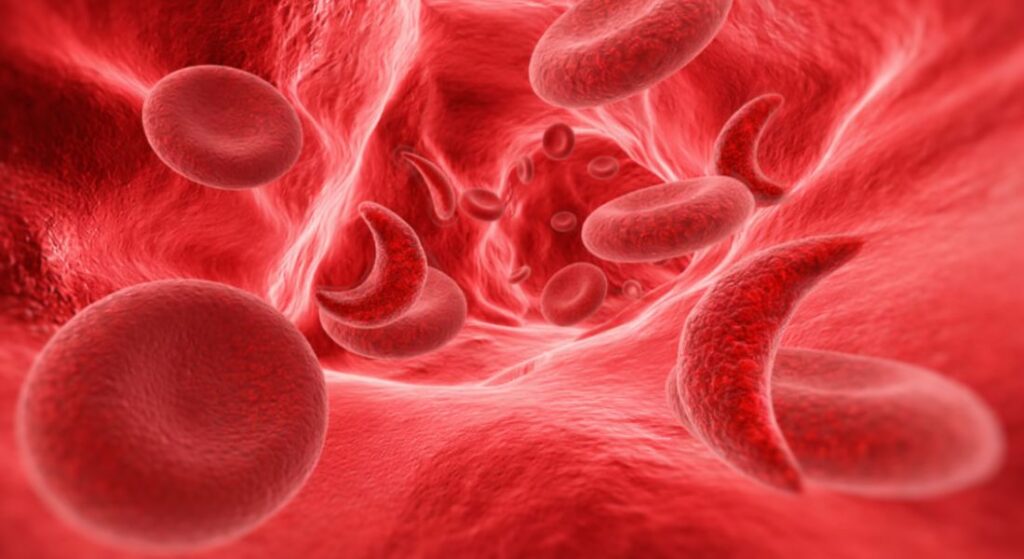
Sickle Cell Disease is a genetic condition that affects your red blood cells. Normally, these cells are round and flexible, which allows them to move easily through blood vessels. In this condition, some red blood cells become rigid and take on a curved, “sickle” shape. This change in shape can affect how blood flows through your body.
1. Abnormal shape of red blood cells: Instead of being smooth and round, affected cells become stiff and crescent-shaped. This makes it harder for them to travel through small blood vessels.
2. Impact on blood flow: The misshapen cells can block or slow down circulation. This may reduce the amount of oxygen reaching different parts of your body.
3. Reduced oxygen delivery: Because oxygen transport is affected, tissues may not receive enough oxygen. This can influence how your body responds to stress, illness, or medical procedures.
4. Variation in symptoms: The severity of the condition can vary from person to person. Some people experience frequent pain episodes or complications, while others may have milder symptoms and fewer issues.
Understanding how sickle cell disease affects your body is important, especially when planning any medical treatment. It helps ensure that care is tailored to your specific needs and health condition.
Why Circulation Matters in Procedures
Good circulation is essential for proper healing after any procedure. It ensures that oxygen and nutrients are delivered efficiently to tissues. This supports recovery, reduces inflammation, and helps your body repair itself more effectively.
If you have Sickle Cell Disease, circulation can sometimes be impaired. The shape and behaviour of red blood cells may affect how smoothly blood flows through small vessels. This can increase the risk of complications, particularly during times of physical stress.
Maintaining stable blood flow during and after treatment is therefore crucial. Your specialist will take steps to support circulation and reduce strain on your body. Careful planning and monitoring help minimise risks and support a safer recovery. Awareness of these factors is key to making informed decisions.
What Is SmartLipo?
SmartLipo is a laser-assisted liposuction technique that uses targeted laser energy to break down fat before it is removed. This process makes the treatment less invasive than traditional liposuction methods. The laser also helps to tighten the skin to some extent, which can improve the overall result.
The procedure is usually performed under local anaesthesia, meaning you remain awake during treatment. Because it is minimally invasive, recovery is often quicker and more comfortable compared to conventional approaches. This is one reason many patients find it appealing.
However, suitability always depends on your individual health. If you have a condition such as Sickle Cell Disease, additional precautions and assessments are required. Careful evaluation ensures that safety remains the top priority before proceeding.
Assessing Suitability
Before considering SmartLipo, a thorough medical assessment is essential. Your specialist will review your overall health and the specifics of your Sickle Cell Disease in detail. This careful evaluation helps ensure that any potential risks are identified early.
You may be asked to undergo blood tests and provide a full medical history. These checks help assess factors such as haemoglobin levels, oxygen-carrying capacity, and overall stability. Understanding these details allows your specialist to make safer, more informed decisions.
Suitability can vary significantly between individuals. Not everyone with Sickle Cell Disease will be an appropriate candidate for SmartLipo. Personalised advice based on your condition, symptoms, and health status is key to determining the safest approach.
Risk of Sickle Cell Crisis
One of the main concerns when considering SmartLipo with Sickle Cell Disease is the risk of triggering a sickle cell crisis. These episodes can be brought on by factors such as physical stress, dehydration, low oxygen levels, or changes in body temperature. Medical procedures, even minimally invasive ones, can sometimes contribute to these triggers.
A sickle cell crisis can cause significant pain and may lead to serious complications if not managed promptly. Preventing this outcome is a top priority when planning any treatment. This is why additional precautions are necessary throughout the process.
Your medical team will focus on minimising known triggers before, during, and after the procedure. This may include ensuring proper hydration, maintaining stable oxygen levels, and closely monitoring your condition. Careful planning and coordinated care help reduce risks and support a safer experience.
Importance of Oxygen Levels
Oxygen plays a crucial role in managing Sickle Cell Disease. When oxygen levels drop, red blood cells are more likely to become rigid and sickle-shaped. This change can disrupt normal circulation and increase the risk of complications. During any medical procedure, maintaining stable oxygen levels is especially important.
1. Preventing red blood cell sickling: Adequate oxygen helps keep red blood cells in a more normal shape. This reduces the likelihood of blockages in small blood vessels.
2. Supporting healthy circulation: Good oxygen levels allow blood to flow more smoothly throughout your body. This ensures that tissues receive the oxygen they need to function properly.
3. Reducing the risk of complications: Low oxygen levels can trigger pain episodes or other complications. Careful monitoring during treatment helps minimise these risks.
4. Continuous monitoring during procedures: Your medical team will closely track your oxygen levels throughout the procedure. This allows them to respond quickly if any changes occur.
Your specialist will take appropriate precautions to keep your oxygen levels stable. With proper monitoring and care, treatment can be carried out more safely and comfortably.
Hydration and Its Role
Staying well hydrated is especially important if you have Sickle Cell Disease. When your body becomes dehydrated, your blood can become thicker, which increases the likelihood of red blood cells changing into a sickle shape. This can affect circulation and raise the risk of complications. Maintaining proper hydration before and after treatment helps support your body in several ways.
1. Reducing the risk of sickling: Adequate fluid levels help keep your blood less viscous, making it easier for red blood cells to move freely through your blood vessels.
2. Supporting healthy blood flow: Good hydration improves circulation, allowing oxygen and nutrients to reach your tissues more effectively.
3. Preparing for and recovering from treatment: Your specialist may advise you to increase your fluid intake before and after a procedure. This helps your body stay stable and supports smoother recovery.
4. Maintaining consistency in daily habits: Drinking enough fluids regularly, rather than occasionally, is key. Consistent hydration helps reduce risks over time and supports overall wellbeing.
Following your doctor’s hydration guidance can make a meaningful difference to both safety and recovery. Simple, consistent habits play an important role in protecting your health.
Anaesthesia Considerations
SmartLipo is usually performed under local anaesthesia, which is generally considered safer than general anaesthesia for many patients. However, if you have Sickle Cell Disease, extra caution is still required. Your body may respond differently to medications and procedural stress.
Certain anaesthetic agents and medications can influence oxygen levels, circulation, or hydration. These factors are particularly important in Sickle Cell Disease, where stability must be carefully maintained. Thoughtful selection and precise dosing are essential to reduce risk.
Your specialist will tailor the anaesthesia plan to your specific condition. This may include additional monitoring and precautions during the procedure. Experienced care ensures that safety remains the priority throughout your treatment.
Pain Management Strategies
Pain management needs to be planned carefully if you have Sickle Cell Disease. Some medications may not be suitable, or they may need to be adjusted based on your condition and overall health. Individual considerations are important to avoid triggering complications.
Your medical team will select pain relief options that are safe and appropriate for you. This may include tailoring the type, dose, and timing of medication. The aim is to control discomfort while maintaining stability and reducing any potential risks.
Following your specialist’s instructions closely is essential. Taking medications as prescribed and reporting any unusual symptoms helps ensure both comfort and safety. Proper pain management supports a smoother recovery and better overall outcomes.
Risk of Infection
Infections can be more serious if you have Sickle Cell Disease, so prevention is especially important. Your immune response may be affected, which means even minor infections need to be taken seriously. Maintaining strict hygiene before and after the procedure helps reduce risk.
SmartLipo is performed using sterile techniques in a controlled medical environment. These high standards significantly lower the chance of infection during the procedure itself. Your specialist will take every precaution to ensure a clean and safe setting.
After the procedure, following your aftercare instructions is just as important. Keeping the treated area clean, taking any prescribed medications, and attending follow-up appointments all help prevent complications. Staying aware and consistent with care supports a safer recovery.
Healing and Recovery Concerns
If you have Sickle Cell Disease, your healing process may require a bit more attention. Because circulation can be affected, tissues may receive less oxygen and nutrients. This can sometimes slow down how quickly your body repairs itself after a procedure. Careful monitoring during recovery helps ensure everything is progressing safely.
1. Slower tissue repair: Reduced blood flow may affect how efficiently your body heals. This means recovery could take slightly longer compared to others.
2. Need for additional follow-up: Your specialist may recommend more frequent check-ups. These appointments help track healing and address any concerns early.
3. Importance of rest and nutrition: Giving your body enough rest and maintaining a balanced diet supports tissue repair. Nutrients and hydration play a key role in recovery.
4. Close observation for complications: Monitoring helps identify any signs of delayed healing or discomfort. Early intervention can prevent more serious issues.
By taking a consistent and careful approach to your recovery, you can support better healing outcomes. Following medical advice and looking after your overall health will make a meaningful difference.
Importance of Specialist Experience

Choosing an experienced specialist is especially important if you have Sickle Cell Disease and are considering SmartLipo. Managing a complex medical condition alongside a cosmetic procedure requires a high level of clinical judgement. An experienced practitioner understands how to minimise risks and prioritise your safety at every stage.
A knowledgeable specialist can adapt your treatment plan to suit your individual needs. This may include modifying techniques, adjusting medications, and ensuring closer monitoring before, during, and after the procedure. Personalised care is essential when additional health factors are involved.
Experience not only helps reduce potential complications but also improves overall outcomes. It provides reassurance that your care is being handled appropriately. Feeling confident in your specialist allows you to approach treatment with greater peace of mind.
When Treatment May Not Be Suitable
In some situations, SmartLipo may not be recommended if you have Sickle Cell Disease. This is more likely if your condition is unstable or if there are concerns about how your body may respond to the procedure. Your safety always comes first.
If you experience frequent sickle cell crises or have had recent complications, the risks of treatment can increase. In these cases, your specialist may advise against proceeding or suggest alternative options that are safer for your health. An honest and careful assessment is essential.
Your specialist will guide you based on your individual condition and medical history. Their goal is to protect your wellbeing while helping you explore appropriate choices. Clear, professional advice ensures you make the safest decision.
Lifestyle Preparation Before Treatment
Preparing your body is especially important if you have Sickle Cell Disease and are considering SmartLipo. Good hydration and balanced nutrition help support circulation and overall stability. These simple habits can make a meaningful difference to how your body copes with the procedure.
Avoiding known triggers such as dehydration, excessive stress, and fatigue is essential. These factors can increase the risk of complications, including a sickle cell crisis. Managing them in advance helps create a safer environment for treatment.
Following your specialist’s pre-treatment advice is key. This may include guidance on fluid intake, medications, and general lifestyle adjustments. Consistency in these habits helps support your body and improves overall safety.
Post-Treatment Monitoring
After SmartLipo, close monitoring is especially important if you have Sickle Cell Disease. Careful observation helps detect any early signs of complications, such as infection, pain changes, or circulation issues. Prompt action can make a significant difference to your recovery.
You may need more frequent follow-up appointments than other patients. This allows your specialist to assess healing, monitor your overall condition, and ensure that no triggers for a sickle cell crisis are developing. Extra vigilance helps keep your recovery on track.
Attending all scheduled appointments is essential. It ensures that any concerns are addressed early and that your progress is properly supported. Staying committed to follow-up care plays a key role in maintaining safety and achieving the best possible outcome.
Realistic Expectations

When you are planning a procedure with Sickle Cell Disease, it is important to have clear and realistic expectations. Your specialist will prioritise your safety at every stage, which may mean taking a more cautious or tailored approach to your treatment plan. This careful planning helps reduce risks and supports better outcomes over time.
1. A more conservative treatment approach: Your doctor may recommend adjustments to the procedure or recovery plan. These decisions are made to protect your health and minimise complications.
2. Gradual results rather than instant changes: You may notice improvements developing slowly over time. This steady approach allows your body to adapt safely and heal properly.
3. Safety as the top priority: Every step of your care is designed to reduce stress on your body. This is especially important when managing underlying health conditions.
4. The importance of patience: Allowing your body the time it needs to recover can lead to better long-term results. Rushing the process may increase risks.
Understanding these points helps you feel more prepared and confident about your treatment journey. With the right expectations and clear guidance, you can approach the experience with reassurance and peace of mind.
Long-Term Health Considerations
Your overall health should always remain the priority, particularly if you have Sickle Cell Disease. Even after SmartLipo, ongoing management of your condition is essential. Regular medical care and monitoring help keep your health stable and reduce the risk of complications.
Lifestyle choices play an important role in your long-term wellbeing. Staying well hydrated, maintaining a balanced diet, and avoiding known triggers such as stress or extreme fatigue can help prevent sickle cell crises. Being aware of your body and responding to early symptoms is key.
Maintaining good health supports not only your recovery but also the longevity of your results. A consistent, careful approach benefits your overall quality of life. Long-term care and healthy habits make a meaningful difference.
FAQs:
1. Is SmartLipo safe if you have sickle cell disease?
SmartLipo may be safe for some patients with sickle cell disease, but it depends on how stable your condition is. Your specialist will carefully assess your health before recommending treatment. Extra precautions are often needed to reduce risks. A personalised approach is essential for your safety.
2. Can SmartLipo trigger a sickle cell crisis?
Yes, there is a possibility that a procedure could trigger a sickle cell crisis. Factors such as stress, dehydration, or low oxygen levels can increase this risk. This is why careful monitoring and preparation are so important. Your medical team will take steps to minimise these triggers.
3. Why is oxygen management important during SmartLipo?
Oxygen levels play a key role in preventing red blood cells from becoming sickle-shaped. If oxygen levels drop, it can affect circulation and lead to complications. During the procedure, your specialist will ensure your oxygen levels remain stable. This helps reduce the risk of a crisis.
4. How does hydration affect SmartLipo safety?
Staying well hydrated helps maintain good blood flow and reduces the risk of sickling. Dehydration can make your blood thicker and increase complications. You may be advised to drink more fluids before and after the procedure. Following this advice supports a safer recovery.
5. Is local anaesthesia safer for patients with sickle cell disease?
Local anaesthesia is generally considered safer than general anaesthesia for many patients. However, it still needs to be carefully managed in your case. Your specialist will choose medications that are suitable for your condition. This helps reduce potential risks during treatment.
6. Will recovery take longer if you have sickle cell disease?
Recovery may take slightly longer, depending on your circulation and overall health. Reduced blood flow can affect how quickly your body heals. You may need closer monitoring during the recovery period. Following aftercare advice can help improve healing.
7. Are there higher risks of infection with sickle cell disease?
Yes, some patients with sickle cell disease may have a higher risk of infection. This makes proper hygiene and aftercare especially important. Clinics follow strict sterile procedures to minimise risks. You should also follow all post-treatment instructions carefully.
8. What tests are needed before SmartLipo?
Your specialist may request blood tests and a review of your medical history. These tests help assess your overall health and stability. They also identify any potential risks before treatment. Proper assessment ensures a safer treatment plan.
9. When should SmartLipo be avoided?
SmartLipo may not be suitable if your condition is unstable or if you experience frequent sickle cell crises. In such cases, the risks may outweigh the benefits. Your specialist may recommend postponing or avoiding the procedure. Safety should always come first.
10. What precautions should you take before SmartLipo?
You should follow all medical advice given by your specialist. This often includes staying hydrated, avoiding stress, and maintaining good overall health. Preparing your body properly can reduce risks. Careful planning helps ensure a safer experience.
Final Thoughts: Making a Safe Decision with SmartLipo and Sickle Cell Disease
If you have sickle cell disease and are considering SmartLipo, taking a cautious and informed approach is essential. Your condition can affect circulation, oxygen levels, and recovery, which makes proper planning especially important. With a thorough medical assessment and the right precautions, some patients may still be suitable candidates, but safety must always come first.
Working closely with an experienced specialist ensures that your individual risks are carefully managed. From maintaining hydration and oxygen levels to monitoring your recovery, each step is designed to reduce complications and support better outcomes. Open communication and following medical advice will help you feel more confident throughout the process. If you’re thinking about smartlipo treatment in London, you can get in touch with us at the London Medical & Aesthetic Clinic.
References:
1. Fakhouri, T.M., El Tal, A.K., Abrou, A.E., Mehregan, D.A. and Barone, F., 2012. Laser-assisted lipolysis: a review. Dermatologic Surgery, 38(2), pp.155–169. https://pubmed.ncbi.nlm.nih.gov/22093156/
2. Manzano-Finol, A., Parra-Pelosi, H., Cubillos-Valencia, G., Urdaneta, J., Rivera-Porras, D., Chacín, M. and Bermúdez, V., 2025. Laser-assisted lipolysis: a promising alternative to traditional liposuction. Aesthetic Plastic Surgery, 49, pp.5522–5531. https://pubmed.ncbi.nlm.nih.gov/40770499/
3. Taghizadeh, F., Leibowitz, A., Ramirez, P. and Santos, D., 2015. Combining facelift with SmartLipo 1064-nm system: technique overview and retrospective analysis of 56 patients. Journal of Cosmetic and Laser Therapy, 17(2), pp.80–85. https://pubmed.ncbi.nlm.nih.gov/25427241/
4. Palm, M.D. and Goldman, M.P., 2009. Laser lipolysis: current practices. Seminars in Cutaneous Medicine and Surgery, 28(4), pp.212–219. https://pmc.ncbi.nlm.nih.gov/articles/PMC12594724/
5. McBean, J.C. and Katz, B.E., 2011. Laser lipolysis: an update. Journal of Clinical and Aesthetic Dermatology, 4(7), pp.25–34. https://pmc.ncbi.nlm.nih.gov/articles/PMC3140909